Pepper fruit rot causes yield reduction, master control methods in time
I. Cause analysis
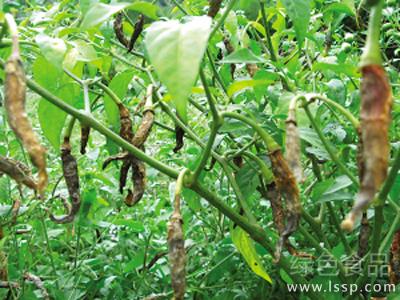
Pepper fruit rot
1. Cold injury: This is the most important point causing pepper fruit rot. Peppers originated in the tropical regions of South America and are sensitive to low temperatures. 8-10°C is a relatively suitable storage temperature; staying slightly long below 6°C easily causes cold injury. The symptoms of cold injury appear as water-soaked soft rot or decolorized round water-soaked rotten spots, which are then infected by pathogens and rot.
2. Diseases: Diseases also have a great impact on whether peppers can be stored successfully. During storage work, special attention should be paid to the impact of field diseases. As the temperature gradually decreases, there is little ventilation in the shed and high humidity, making cold injury likely, which leads to pepper diseases and fruit rot. The most common disease in the field is bacterial soft rot. In addition, white mold and black mold are also common pathogens causing fruit rot during pepper storage. Therefore, before choosing to store peppers with the plants, preparations in all aspects must be made well; it is too late to worry only when a cold wave arrives or a large amount of fruit rot occurs.
II. Control measures
1. Choose suitable varieties. Because peppers are adapted to a relatively high storage temperature, they are prone to breeding pathogens. Generally, late-maturing varieties with dark green skin, thick skin and a full spicy flavor are more storage-tolerant, have stronger disease resistance, and are suitable for longer storage.
2. Enhance the heat preservation of the arched shed to avoid cold injury and freezing injury. In the later stage of storage, the overall temperature in the shed is relatively low, so the temperature difference must be controlled well, and it should not be too hot during the day and too cold at night. During the day, when the temperature in the shed is relatively high, the covering film should be uncovered to strengthen ventilation and appropriately lower the temperature in the shed; it should not exceed 25°C. At night, cover the film well again to ensure the temperature in the shed is above 8°C. Finally, in winter vegetables “rise when encountering cold and snow”; when a cold wave occurs in the later period, the pepper plants can be tilted down and covered with plastic film, which can still appropriately extend the storage period of peppers, and sell the peppers after the cold when the price rises sharply.
3. Ensure the plants are robust and there is no disease in the field. Peppers in plots with frequent diseases are not storage-tolerant; peppers in continuous cropping plots are not storage-tolerant; peppers in plots with insufficient fertility, drought, or waterlogging are also not storage-tolerant. To store peppers with the plants for a long time, preparations must be made in advance to ensure robust plants. Water and fertilizer should be appropriately controlled to prevent excessive plant growth and excessive field humidity, which would reduce the plant's disease resistance and cold tolerance. To improve plant resistance and reduce disease occurrence, amisulbrom 1500 times, zhongshengmycin 1000 times combined with chitosan 1000 times, and full-nutrient foliar fertilizer can be sprayed, with good results. When plastic film mulching makes spraying difficult, fungicide smoke agents such as chlorothalonil smoke agent and baisu smoke agent can be selected to fumigate the shed for 6-8 hours to prevent diseases. Doing the above preparation work well can ensure that no fruit rot and other diseases occur during pepper storage, so as not to cause relatively large losses.