Citrus Flavor Turns Sour and Quality Declines: Fertilization Techniques for Increasing Sweetness
In recent years, citrus growers have managed their orchards extensively and roughly, applying too much chemical fertilizer while neglecting organic fertilizer, which has led to a decline in citrus fruit quality and a sourer, poorer flavor. In production management, the following sweetening fertilization technical measures should be adopted:
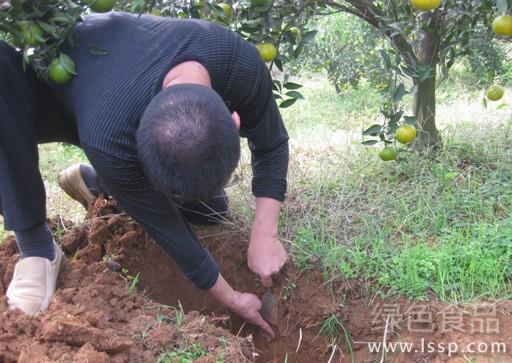
Citrus Fertilization
1. Do not apply nitrogen fertilizer excessively. Applying large amounts of chemical nitrogen fertilizer promotes vegetative growth, delays citrus coloring, makes the color paler, and thickens the peel, which is not conducive to increasing citrus sweetness. Potassium fertilizer can promote citrus enlargement, but excessive potassium in the leaves will increase citrus acidity and make the flavor bland.
2. Apply more organic fertilizer. Applying more organic fertilizer in citrus production, especially various cake fertilizers and multi-element organic-inorganic compound fertilizers, can not only meet the nitrogen, phosphorus, and potassium needs of citrus, but also supplement trace elements such as magnesium and zinc, improve soil fertility, and increase the sweetness of citrus.
3. Apply base fertilizer early. Fruit growers traditionally habitually apply base fertilizer from winter to early spring, which is not conducive to the absorption and storage of nutrients by the tree, thereby affecting flower bud differentiation. The base fertilizer should be applied early and promptly after fruit harvest.
4. Apply more calcium fertilizer. 1. When the soil contains low calcium, citrus acidity is high, so calcium fertilizers such as lime and superphosphate should be applied to citrus orchard soil. Lime is generally applied at 50—60 kg per mu, once every 3—4 years. 2. Spray foliar fertilizer. During the growth period when new leaves are emerging, spray high-potassium or amino acid-containing foliar fertilizer to promote the maturation of new leaves and the storage of nutrients. 3. Foliar spraying of 0.2% calcium dihydrogen phosphate plus 0.2% sodium dihydrogen phosphate is beneficial for increasing citrus sugar content; during the high-temperature ripening period, appropriately spray a 100—200 ppm "Sweet Treasure" solution; in the later stage of fruit growth, spray 2% limewater plus 0.4% table salt, which is beneficial for improving tree photosynthesis, preventing high-temperature fruit scorching, promoting coloring, improving citrus flavor quality, and advancing ripening by 7—10 days. 4. Apply sweetening agents in combination: 700 kg water + 200 g pure boron + 2.4% sucrose; 0.7% calcium chloride + 99.57% ammonium thiosulfate + 0.43% sodium dodecyl sulfate + 2000 times clean water. When citrus begins to color, spray the ground around the tree base, 0.5—1 liter per sq m, and spray again after 10 days.