Control Methods for Sesame Stem Rot Causing Root Death
After the stem of sesame is affected, yellow-brown water-soaked spots initially appear and develop rapidly, turning into ring-like spots; in the late stage, the lesions become dark brown, after which the stem becomes hollow and breaks easily. After the roots are affected, the main root and lateral roots gradually turn brown, and a large number of black sclerotia form within the cortex of the sesame roots, causing the roots to die.
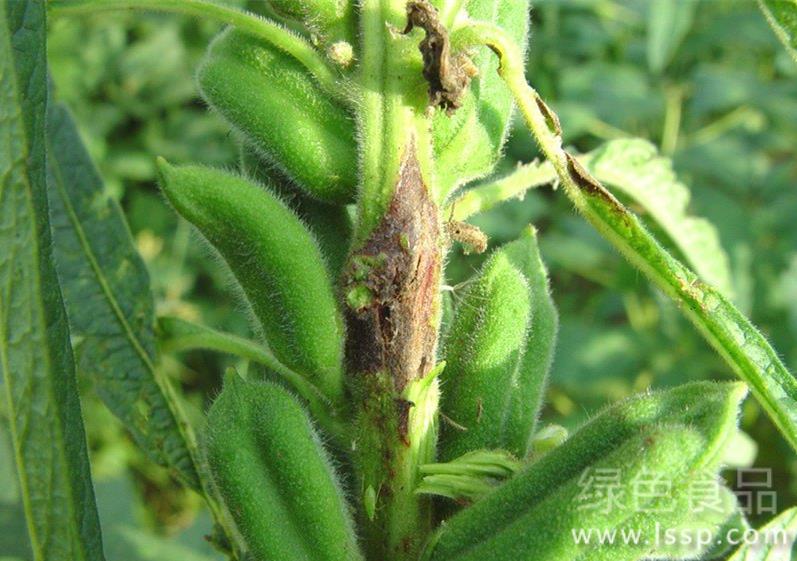
Sesame Stem Rot
The pathogen of stem rot overwinters as sclerotia on seeds, in soil and on diseased residues. In the second year, the conidia of the pathogen spread in the field by wind, rain and air currents, mainly invading through the base of the sesame stem, roots and leaf stalks. The seedling stage and full-flowering stage of sesame are the most susceptible. Infected sesame plants can produce conidia that spread and cause further infection. High temperature, high humidity and abundant rain favor the occurrence and epidemic of stem rot, and excessive application of nitrogen fertilizer, overly dense planting and continuous cropping aggravate the damage.
Control techniques:
1. Select disease-resistant sesame varieties and treat seeds. Choose varieties with good quality and high yield, tolerance to waterlogging and strong disease resistance, such as Yuzhi No. 8 and Yizhi No. 1. Before sowing, soak the seeds in warm water at 55°C for 10 minutes or at 60°C for 5 minutes, then dry them and sow. Alternatively, mix sesame seeds with pentachloronitrobenzene plus thiram (1:1), with the amount of pesticide accounting for 0.5-1% of the weight of the sesame seeds; or soak them in a 0.5% copper sulfate solution for half an hour. All of these have good control effects.
2. Agricultural control. Sesame stem rot is most intolerant of continuous cropping. Rotating sesame with cotton, sweet potato and gramineous crops for 3-5 years can control the occurrence and epidemic of stem rot. After the sesame harvest, promptly remove diseased residues in the field and burn or deeply bury them in a centralized manner to reduce overwintering sources of inoculum. Promptly pull out diseased plants and take them out of the field for destruction to prevent the spread of the pathogen. Strengthen fertilizer and water management, increase the application of base fertilizer, mainly using medium- and slow-release organic fertilizers, and mix in phosphorus and potassium fertilizers. Do not apply or apply little nitrogen fertilizer at the seedling stage to cultivate healthy seedlings so that the pathogen is less likely to invade. Adopt high-ridge cultivation, promptly clean ditches and drain water, prevent water accumulation in the field and reduce field humidity.
3. Chemical control. For the control of sesame diseases, agricultural control is the main method, and chemical control should be used to spray for protection before the occurrence of sesame diseases or to apply pesticides at the early stage of the disease. The control agents include 37% Kuwei Like wettable powder at 800 times dilution, 40% carbendazim suspension concentrate at 700 times dilution, 50% thiophanate-methyl wettable powder at 800-1000 times dilution, and 80% copper sulfate wettable powder at 800 times dilution, etc.