How do you use indoor sterilizing plants? A few practical methods to teach you
How do you use plants for indoor sterilization? Please explain the methods. To use plants for indoor sterilization, you can refer to the following methods: 1. Choose plants in a targeted way according to indoor environmental pollution. Some plants have a relatively strong purifying and adsorbing effect on a certain harmful substance. If you select and grow them in a targeted way indoors, they can have...
How do you use plants for indoor sterilization? Please explain the methods
To use plants for indoor sterilization, you can refer to the following methods:
1. Choose plants in a targeted way according to indoor environmental pollution. Some plants have a relatively strong purifying and adsorbing effect on a certain harmful substance. If you select and grow them in a targeted way indoors, they can produce an obvious effect; the volatile oils produced by aromatic flowers such as rose, sweet osmanthus, violet, jasmine, lemon, rose, China pink, and lily of the valley have a significant bacteriostatic and bactericidal effect. The fragrance given off by plants such as rose, China pink, lily of the valley, violet, rose, and sweet osmanthus has an obvious inhibitory effect on the growth and reproduction of Mycobacterium tuberculosis, pneumococcus, and Staphylococcus.
2. Choose and place plants according to the different functions of the room. At night, plant respiration is vigorous and releases carbon dioxide, so placing too many plants in the bedroom is not good for sleep at night. The bathroom, study, living room, and kitchen have different decoration materials and therefore different pollutants, so you can choose plants with different purifying functions.
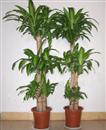
3. Choose and place plants according to the size of the room. The purification of the indoor environment by plants is directly related to the leaf surface area of the plants, so the height of the plant, the size of the crown diameter, and the amount of greenery all affect the purifying effect. In general, for a room of about 10 sq m, placing two pots of plants 1.5 m tall is relatively suitable.
4. Use flowering plants to purify the indoor environment safely and healthily
Avoid strong fragrance. Some flowers and plants have too strong a fragrance, which can make people uncomfortable or even cause adverse reactions. Examples include night-blooming jasmine, tulip, and lantana.
Avoid allergens. Some flowers can cause allergic reactions in people. Examples include Chinese rose, syringa, lantana, hydrangea, geranium, and redbud. When people touch or stroke them, they often cause skin allergies, and may even develop red rashes and unbearable itching.
Avoid toxicity. Some ornamental flowers and plants are toxic, and placement should be noted for sensitive plant, poinsettia, oleander, yellow azalea, and yuanzhanghong.
Avoid injury. For example, cactus-type plants have sharp spines, so households with children, or children's rooms, should try not to place them. In addition, for safety, the plants in a children's room should not be too tall, and do not choose flowerpot stands with poor stability, so as to avoid harm to children.
Avoid pollution. The pesticides and fertilizers and equipment used for indoor plants and flowers must be safe and comply with national crop safety standards and regulations, to prevent indoor environmental pollution and injury problems.
Click to get more fungicide application techniques
Click to get more pesticide application techniques