Key points for reasonable water management after rice transplanting to achieve high yields
After rice transplanting, scientific and reasonable water management is a technical measure for achieving high and stable rice yields.
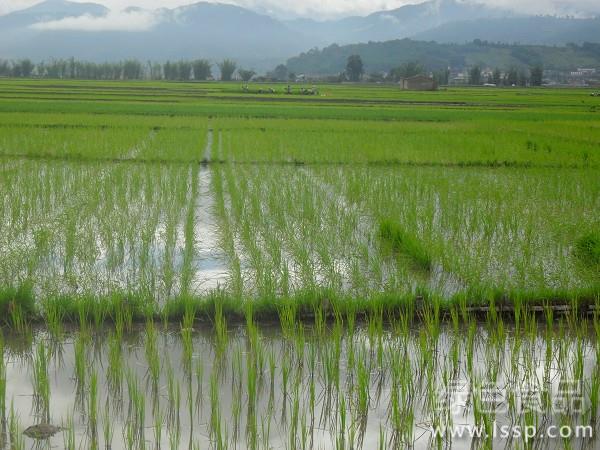
Rice
1. One-cun water for greening back:When rice seedlings are transplanted, the roots are damaged and their water-absorbing capacity is weak, but leaf transpiration is not reduced, which easily causes rice to wilt from water loss. Therefore, it is best to maintain a water layer of about 1 cun in the field to promote new root formation and rapid greening back and establishment.
2. Shallow water for tillering.When entering the tillering stage, irrigate with shallow water. Generally, keeping a 0.5-1 cun water layer in the paddy field is sufficient. If it is too deep, tillering is inhibited and delayed, and high-position tillering is caused; if the water layer is too shallow, excessive tillering occurs, consuming rice nutrients and forming a large number of ineffective tillers.
3. Sunning the field to control seedlings.When rice tillering reaches a certain number, drain the water and sun the field appropriately. Sunning the field first inhibits and then promotes available oxygen in the soil. It helps control excessive development of the population, promote the shift of the rice growth center from vegetative growth to reproductive growth, and cultivate large panicles. Generally, heavy sunning is used for clayey fields and low-lying fields; light sunning for sandy fields and high fields; heavy sunning for fertile fields and light sunning for lean fields; heavy sunning for overly vigorous seedlings and light sunning for weak seedlings. Generally, sun until small cracks appear on the field surface, the soil does not sink when stepped on, leaf color fades, and leaves stand upright.
4. Sufficient water for booting.Rice needs sufficient water at the booting stage. During this stage, the paddy field should maintain a 1-2 cun water layer to ensure large panicles and many grains. This is because the plants grow vigorously at this time, photosynthesis is strong, and leaf transpiration is greatest. It is the period of greatest physiological water demand in the entire life of rice, accounting for about 40% of the whole growth period.
5. Shallow water for heading.During the heading period, the water layer in the paddy field should be 0.5-1 cun. If the field has no water and suffers drought at this time, pollen and stigmas are prone to drying out from drought and cannot be pollinated, or heading is uneven, and even no panicles can emerge.
6. Moist irrigation for grain filling.During the grain-filling stage, rice should be irrigated intermittently to ensure that the paddy field remains moist, so as to promote the transport of organic matter within the rice plant to the grains, reduce empty shells and shriveled grains, and increase the 1000-grain weight. This is because in the late growth stage of rice, the aerenchyma degenerates, and the conditions for transporting oxygen from leaves to roots worsen. If the soil has too much water and lacks oxygen, the root system is prone to premature senescence; adopting moist irrigation and water management of “alternately dry and wet, mainly wet” is beneficial for increasing aeration and protecting roots, nourishing leaves with roots, and strengthening grains with leaves.