Post-harvest water and fertilizer management for grapes to protect vine vigor
1. Prevent diseases and control pests to protect autumn leaves.First, care should be taken to minimize damage to the leaves during grape harvest. In addition, under normal circumstances, try to use little or no removal of old leaves; in the late growth stage, strictly control the use of thiram and sulfur-based pesticides to prevent premature aging of grape leaves and the resulting reduction in photosynthetic efficiency. After fruit harvest, the main diseases and pests harming grape leaves are downy mildew, powdery mildew, leafhoppers, etc. Spraying 3000-fold fosetyl-aluminum or 1000-fold metalaxyl once about every 10 days can prevent downy mildew, powdery mildew, and similar problems.
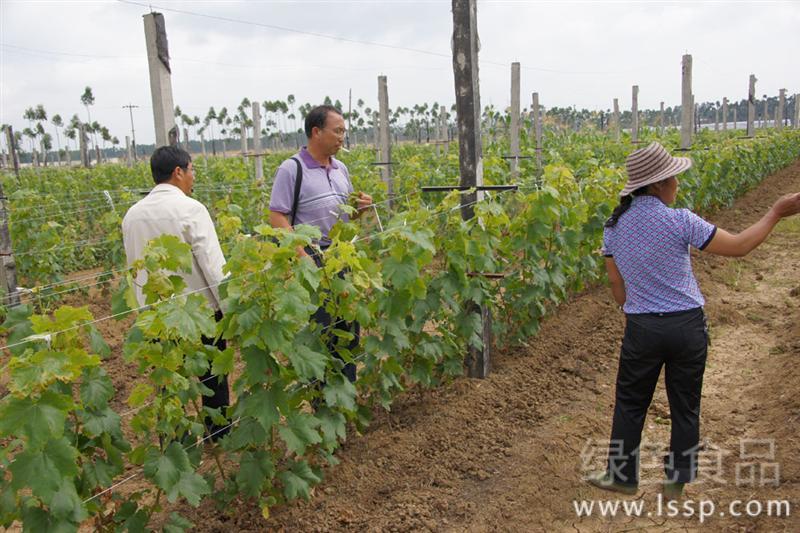
Post-harvest management of grapes
2. Fertilize reasonably to restore vine vigor.After the grape harvest is completed, apply sufficient post-harvest fertilizer in a timely manner; combined with pesticide spraying, spray 0.3% urea or 0.3% monopotassium phosphate solution 2-3 times, which can effectively improve the photosynthetic efficiency of grape leaves, restore vine vigor, and increase tree nutrition. In vineyards with heavy fruiting and relatively weak vigor, an appropriate amount of quick-acting nitrogen fertilizer can be added, such as decomposed human manure, pig manure water, urea, etc. Base fertilizer is the most important among grape fertilizers, and practice shows that applying base fertilizer in autumn is better the earlier it is done. Under normal circumstances, use 3000-5000 kg per mu of fully decomposed farmyard manure, barnyard manure, or compost, mix with 20 kg of superphosphate, apply it in trenches, cover with soil after application, and water thoroughly.
3. Pinch tips and remove shoots to prevent excessive growth.Excessive growth of branches and vines will consume a large amount of nutrients from the grapevine, so tips should be pinched and secondary shoots removed, etc., to control their growth, reduce nutrient consumption, and promote thick and strong main vines and retained secondary shoots with plump and well-filled buds. A 0.05% daminozide solution can also be sprayed to inhibit excessive growth. At the same time, branches and vines need to be pruned reasonably: leave more on thick and strong branches, leave fewer on thin and weak branches, and remove overly dense branches, thin and weak branches, and diseased or pest-damaged branches as early as possible.
4. Cultivate and loosen the soil, and clean the orchard.Because harvesting is frequent, the soil is easily compacted. Immediately after fruit harvest, cultivate and loosen the soil to increase soil aeration and promote new root growth. Also, in combination with autumn and winter pruning, thoroughly remove dead branches, fallen leaves, and diseased and pest-infested shriveled fruits from the vineyard and destroy them centrally, reducing the overwintering pest and disease base and alleviating diseases and pests the following year.
5. Reduce damage and prevent forcing winter buds.In some places, after grape harvest, large numbers of secondary shoots and old leaves are pruned off. This measure affects the maturity of the current year's branches and easily forces winter buds to sprout, seriously affecting the growth and fruiting of grapevines the following year. Generally, after harvest, do not remove leaves and remove few shoots, retaining healthy branches and leaves as much as possible. At the same time, pay attention during field operations to prevent mechanical damage to grape branches and leaves, ensuring normal maturation of the branches and vines.