Asparagus autumn seedling-raising precautions: early autumn and late autumn differ
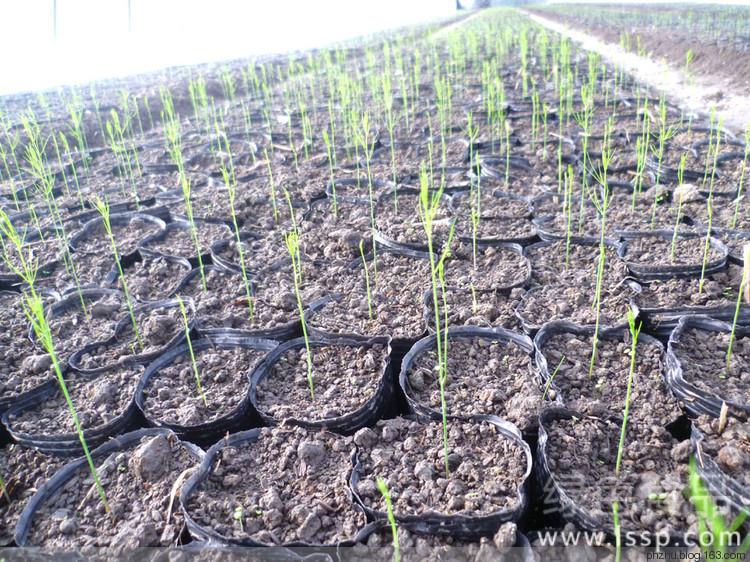
Asparagus seedling raising
1. Early autumn seedling raising. For early autumn seedling raising, because daytime temperatures in early autumn are still very high, after sowing is finished, the seedbed surface still needs to be covered with 2—3cm of straw. When drying out occurs, water should be sprayed promptly, and when the asparagus seedlings emerge, the covering straw should be removed. Early autumn seedling raising gives relatively good emergence. Because daytime temperatures are high, plastic film cannot be laid over the seedbed surface.
2. Late autumn seedling raising. The time for late autumn asparagus seedling raising depends on the region, and it should be done at the latest 30-40 days before the first frost; any later, and the seedling stage will not have enough growth, affecting the seedlings' overwintering. Late autumn seedling raising generally involves adding a small arched shed before the first frost, which can extend the asparagus seedlings' growth period by 20-30 days. Because daytime temperatures are high, the small arched shed needs ventilation, and the temperature should be below 30°C; at night, the small arched shed should be tightly closed to keep warm. When temperatures are low, the asparagus seedlings inside the small arched shed will suffer frost damage and wilt and die; at this point, water thoroughly for overwintering, and once the seedling age has reached more than 60 days, they can overwinter safely. In winter, the small arched shed can be kept or removed, and neither will affect the survival rate of the asparagus seedlings.
Generally, asparagus seedlings overwintering in the seedling bed should be given slight protection; a 4-5cm layer of organic fertilizer can be spread on the bed surface, with donkey, horse, or sheep manure being more suitable. But in winter the seedling bed must not be allowed to dry out, otherwise the asparagus seedlings are easily frozen to death. Because asparagus can withstand low temperatures of -36°C, as long as the asparagus seedlings do not dry out or lose water in winter, they generally will not freeze to death. Whether raising seedlings in protected conditions or in the open field, generally once the seedling age reaches 60-80 days and there are 3-4 aboveground stems, they can be planted out.