How to Grow Strawberries in Pots on a Balcony? Add Greenery to the Home and Enjoy the Fun of Growing
Land in cities today is worth its weight in gold, and many city children no longer get to experience the joy of growing crops. To meet this demand, more and more crops can now be grown in pots. Today, the editor introduces how to grow strawberries at home in pots, so you can both enjoy the fun of growing and taste fresh strawberries.
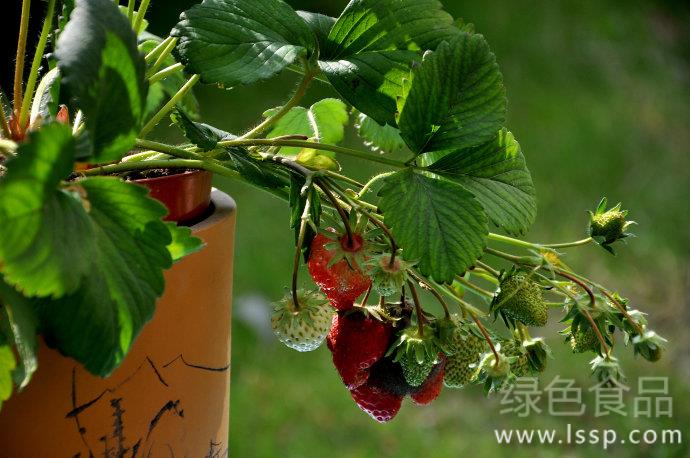
Strawberry
1. Choosing pots, soil and varieties: For pot cultivation, choose a ceramic pot with a rim diameter of 20-30cm. Use soil rich in humus. For strawberry varieties, use excellent everbearing varieties such as European Four Seasons Red, Changhong No. 2 and 83-38. They can bloom and bear fruit multiple times throughout the year.
2. Cultivation techniques: Potted strawberries can be planted in all four seasons. But it is best to lift seedlings from the garden and pot them up in autumn. Choose strong seedlings; when lifting them, keep plenty of soil around the roots, remove old and damaged leaves, and trim the root system to leave about 10cm. Let the strawberry roots spread out and plant them into the potting soil. Plant at a depth that neither exposes the roots nor covers the crown. Firm the soil to fix the seedling in place, keeping the soil surface 3-4cm below the pot rim. After planting, water thoroughly, place in a shady spot for 3-5 days, then move to a place with plenty of light.
3. Fertilizer and water management: Potted everbearing strawberries can bloom and fruit multiple times a year, consume a lot of nutrients and need extra feeding. You can top-dress with liquid fertilizer water made by fermenting decomposed organic fertilizer, or with compound fertilizer. Apply once every seven days. For outdoor pots, water once each morning and evening. When watering, first let the water warm up in the sun; never water directly with well water or tap water.
4. Plant management: Potted strawberries need extra plant care. First, thin buds, remove leaves and remove runners at the right time. That is, during the bud dispersal stage, thin out a suitable amount of ineffective high-order flowers. Remove old leaves, damaged leaves, diseased leaves and excess runners to reduce nutrient consumption and improve strawberry quality. Second, build fruit supports. That is, use wire or bamboo skewers to make a fruit rack, place it in the flower pot, and prop up the fruit trusses so they get air and light, the strawberries color evenly, soil pollution of the fruit is prevented, and pest and disease damage is reduced. At the same time, runners can also be used for artistic shaping to increase ornamental value. Third, use integrated control measures to prevent and control pests and diseases.
5. Repotting: Because frequent watering leaches nutrients out of the potting soil, after 2—3 years the potting soil is severely lacking in nutrients and needs timely repotting. Before turning out the pot, stop watering so the soil dries and shrinks away from the pot wall, making it easier to remove the potting soil. After turning the root ball out upside down, cut away old roots 2—3cm thick around the sides of the potting soil, mix organic fertilizer with the soil evenly, sift it, and fill the bottom. Then put the root ball back in the pot with soil, add more fertilized soil around it to fill, and water thoroughly once.