What kind of pesticide is carbofuran? A detailed explanation of its effects and uses
What is carbofuran? How can carbofuran be used for good results? What should be noted when using carbofuran? Please provide an introduction and guidance. Carbofuran is also called Dafunong, carbofuran, and chlormephos. It belongs to the carbamate class and is a broad-spectrum, systemic insecticide and acaricide. It has contact and stomach poison action against pests. This pesticide can be absorbed by plant roots...
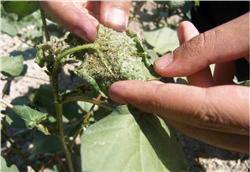 What is carbofuran? How can carbofuran be used for good results? What should be noted when using carbofuran? Please provide an introduction and guidance
Carbofuran is also called Dafunong, carbofuran, and chlormephos. It belongs to the carbamate class and is a broad-spectrum, systemic insecticide and acaricide. It has contact and stomach poison action against pests. This pesticide can be absorbed by plant roots and transported to various parts of the plant, accumulating more in leaf area, especially at leaf margins, and less in fruits. There are two types of carbofuran: formulations are 35% seed treatment agent and 3% granules. Carbofuran is not considered highly toxic to humans and livestock, but it is extremely toxic to fish, ducks, and geese, so use it with caution. The use of carbofuran can refer to the following methods:
1. Carbofuran can control pests in the cotton seedling stage: use 1.5-2 kg of 3% granules per mu, spread into the furrow at the same time as the seeds, or mix 3% granules with dry cottonseed, with a dosage of 1 part pesticide to 4 parts cottonseed.
2. Carbofuran can control pests in tobacco fields: to control tobacco aphids, root-knot nematodes, cutworms, mole crickets, and other pests in tobacco, when transplanting tobacco seedlings, use 3% granules and spread 1-1.5 grams per hole.
3. Carbofuran can control pests in rice fields: to control rice borers, planthoppers, thrips, leafhoppers, rice gall midges, and other pests, use 1.5-2 kg of 3% granules per mu, mix with 15 kg of fine sand, stir evenly, and sprinkle on the water surface; in upland rice fields, use 2-2.5 kg of 3% granules per mu and sow together with rice seeds.
4. Carbofuran can control pests in soybean fields: to control aphids, bean stem flies, cyst nematodes, and others, use 2.2-4.4 kg of 3% granules per mu and spread in the sowing furrow.
5. Carbofuran can control pests in peanut fields: to control aphids, thrips, mole crickets, root-knot nematodes, and others. Use 4--5 kg of 3% granules per mu, spread in the sowing furrow or open a furrow between rows during the crop growing period, spread the pesticide, and then cover with soil.
Precautions for using carbofuran:
1. Carbofuran is highly toxic; do not use it on vegetables and fruit trees.
2. It is strictly prohibited to add water to carbofuran to make a suspension and spray it directly.
3. When applying carbofuran in rice fields, it cannot be mixed at the same time with herbicides such as propanil and chlorpropham. Propanil should be applied 3-4 days before applying carbofuran, or applied 1 month after applying carbofuran.
4. The hydrolysis rate of carbofuran in water accelerates with increasing pH and temperature, so it cannot be mixed with alkaline pesticides or fertilizers, otherwise it is easily decomposed and becomes ineffective.
Click to get more insecticide application techniques
Click to get more pesticide application techniques