Sugarcane tillers grow black whip-like structures: how to prevent and control smut disease
Sugarcane smut, also known as sugarcane whip smut and smut fungus disease. The most obvious sign of this disease is a black whip-like structure curling downward and inward at the top of the diseased cane. In the early stage of whip formation, the outside is wrapped in a layer of silvery-white film, which later ruptures, releasing a large amount of black powder, and finally only the central column remains. Infected seed cane sprouts early, with thin stems, slender leaves, pale green color, increased tillering, and later smut whips also grow on the tillers.
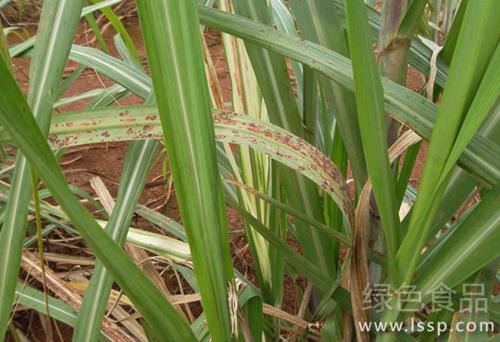
Sugarcane smut
Transmission routes and disease conditions: Contaminated soil and diseased ratoon sugarcane are both primary sources of infection. The chlamydospores of the pathogen germinate at 6-36°C, with the optimum temperature at 25-30°C. High temperatures and abundant rain in spring favor the occurrence and spread of sugarcane smut. Ratoon cane fields suffer more severe disease than newly planted sugarcane fields, and the longer the ratoon years, the more severe the disease. Using tip seedlings as seed cane results in milder disease than using whole plants as seed cane. Applying excessive nitrogen fertilizer leads to more severe disease.
Control methods: ① Select disease-resistant sugarcane varieties according to local conditions. ② Practice crop rotation. Rotate with rice, corn, sweet potato, peanut, alfalfa and other crops. ③ Reduce ratoon years and plant disease-free seed cane. When retaining seed, select disease-free tip seedlings from sugarcane in fields without disease. ④ Pull out diseased plants before the smut whips emerge. Carefully cut off the black whips and place them in plastic bags, carry them out of the field, and burn them in a centralized manner. Do not keep ratoons in diseased fields, and burn the stubble of diseased plants. ⑤ Apply sufficient base fertilizer and pay attention to the rational application of nitrogen, phosphorus and potassium fertilizers. Irrigate at the appropriate time, earth up promptly, prevent lodging, and reduce lateral bud growth. ⑥ Disinfect seed cane. Soak contaminated sugarcane seed cane in hot water at 52°C for 18-30 minutes; adding 25% triadimefon wettable powder at 500 times dilution gives better results. Alternatively, soak in 1:100 43% formalin solution for 5 minutes, then cover the sugarcane seed cane with plastic film and fumigate for 2 hours. Or soak in 70% mancozeb wettable powder at 1:500 dilution for 5-7 minutes. Soaking seed in 3% lime water for 24 hours can also be used.