Key winter prevention and control measures for major citrus diseases, laying the foundation for a bumper harvest next year
The major citrus diseases include scab, anthracnose, foot rot, powdery mildew, sooty mold, sunscald, and gummosis. The prevention and control measures are as follows:
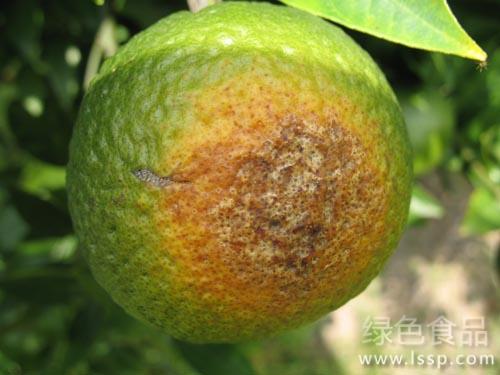
Citrus diseases
1. Scab:Agricultural control: ① In winter and spring, combine with pruning to cut off diseased branches and leaves of citrus; ② Implement quarantine to prevent the introduction of external diseases. Chemical control: You may use 77% Kocide wettable powder at 800 times dilution; or 30% copper diacid wettable powder at 400-500 times dilution for control.
2. Anthracnose:Agricultural control: ① Strengthen cultivation management, enhance tree vigor, and improve disease resistance; ② Do well in fertilizer and water management and in pest control, freeze prevention, and sunscald prevention, and avoid mechanical injury; cut off diseased, pest-infested, and excessively vigorous branches, and remove fallen leaves on the ground and burn them in a centralized manner. Chemical control: You may use 0.5: 0.5: 100 Bordeaux mixture; or 0.3% Baume lime sulfur mixture; or 70% thiophanate-methyl at 600-1000 times dilution for control.
3. Foot rot:Agricultural control: ① Select and use disease-resistant rootstocks, and appropriately raise the grafting union; ② Perform approach grafting to replace the rootstock on affected trees; ③ Ensure good orchard drainage and control of trunk pests, and avoid mechanical injury; ④ Strengthen protection of the top fruit and the lower part of the citrus canopy. Chemical control: The shallow-scrape, deep-cut, and smear method may be used; use a knife to gently scrape away the soil at the base and the coarse bark to expose the diseased spots, then use a sharp knife to cut vertically into the diseased part down to the xylem (at 1 cm intervals), then apply 50% thiophanate-methyl wettable powder at 100 times dilution; or 50% carbendazim wettable powder at 100 times dilution.
4. Powdery mildew:Agricultural control: ① In winter pruning, remove diseased branches; in other seasons, cut off affected excessively vigorous branches and remove overly dense branches to maintain ventilation and light penetration; ② Strengthen management, increase the application of phosphorus and potassium fertilizers and organic fertilizers, and improve the disease resistance of citrus trees. Chemical control: You may use 45% crystalline lime sulfur mixture at 250-400 times dilution; or 50% thiophanate-methyl at 1000 times dilution for control.
5. Sooty mold:Agricultural control: ① Prune rationally to make the citrus orchard well ventilated and lit; ② Do well in winter orchard cleaning and remove existing sooty mold; ③ Focus on controlling whiteflies, scale insects, and aphids to prevent induction. Chemical control: You may use 70% thiophanate-methyl wettable powder at 600-1000 times dilution for control.
6. Sunscald:① Paste paper pieces, bag the fruit, or apply lime slurry on the citrus on the outer canopy; ② Maintain soil moisture and improve the microclimate in the orchard.
7. Gummosis:Agricultural control: ① Select disease-resistant rootstocks; ② Pay attention to drainage and irrigation, increase the application of organic fertilizers, avoid unreasonable intercropping, and carry out timely thinning to reduce the humidity in the citrus orchard; ③ Control jewel beetles to avoid injury to citrus trees.