Five measures to protect rapeseed from freezing: fertilizing, earthing up, irrigation, mulching with straw, and removing early bolts
1. Intertillage and earthing up.Before the soil freezes, intertillage and earthing up can loosen the soil and thicken the soil layer around the rapeseed root system, which helps block the invasion of cold wind and improves heat absorption, heat preservation and cold resistance. This is especially true for tall-stemmed seedlings: after earthing up around the roots, the root crown becomes shorter, which helps keep it warm.
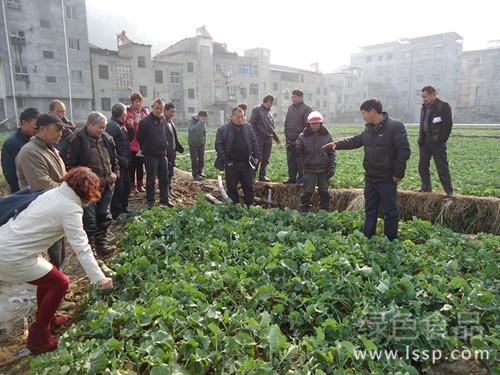
Guidance on protecting rapeseed from freezing
2. Apply heavy winter fertilizer.Before the severe cold arrives, apply winter fertilizer as a top dressing and increase the application of phosphorus and potassium fertilizer. This can both strengthen the cold resistance of rapeseed and supply nutrients during the overwintering period and the bolting and flowering stages, ensuring balanced growth of rapeseed.
3. Cover to protect against cold.Straw, rice husks or other crop stalks can be spread between the rapeseed rows to reduce the invasion of cold wind. Before a cold wave arrives, scatter rice husk ash, plant ash, burnt soil ash, etc. on the rapeseed leaves to prevent the leaves from freezing.
4. Irrigate to prevent freezing.Before freezing or severe cold arrives, irrigate the rapeseed field in time. This can prevent the ground temperature from dropping sharply and ease freezing damage, especially preventing dry freezing. At the same time, after irrigation, the rapeseed root system binds closely with the soil, which helps rapeseed absorb water and nutrients. After freezing, clear the ditches and drain water in time to avoid root damage from waterlogging.
5. Remove early bolts.If rapeseed shows early bolting and early flowering, it will consume a large amount of nutrients and weaken the cold resistance of rapeseed, so the bolts should be removed in time to reduce the degree of freezing damage. Bolt removal should be done at noon on a sunny day. After removing the bolts, apply an appropriate amount of quick-acting nitrogen fertilizer as a top dressing in time to promote rapeseed growth and prevent freezing damage.