Key points for winter management of Sichuan pepper: winter pruning, bark scraping, whitewashing, and pest and disease control
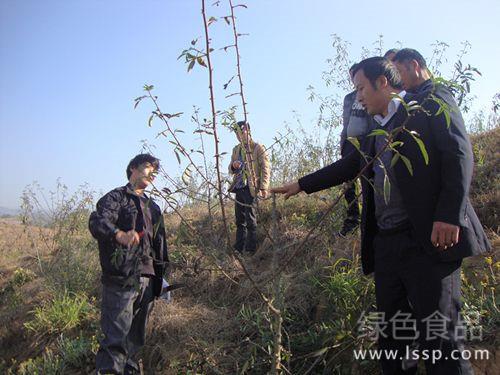
Pruning Sichuan pepper
Shaping and pruning:Winter is a great time to prune Sichuan pepper. When pruning, the "seven branches" must be cut off, namely: water sprouts, dead branches, pest- and disease-infested branches, overly dense branches, crossing branches, overlapping branches, and weak slender branches. Then the pruned branches should be gathered and burned, which can eliminate pests and pathogens overwintering on the branches and trunks.
Scraping off rough bark:Many overwintering insect eggs parasitize the cracks in the rough bark of Sichuan pepper trees, and mulberry white scale insects parasitize the trunks. Scrape off the rough bark and gumming spots, gather and burn them, then apply a protective agent, and afterward smear on thin mud to cover the wounds. This can eliminate pathogens and insect eggs and also restore and strengthen tree vigor.
Whitewashing the trunks:Whitewashing can reduce freeze damage, delay budbreak and flowering of Sichuan pepper trees, and protect them from late spring frost damage. In addition, it can kill insect eggs and pathogens overwintering hidden in the bark.
Spraying pesticides:Besides overwintering on dead branches, fallen leaves, and weeds, pathogens and insect eggs also parasitize areas such as branch forks. Therefore, spray an insecticidal pesticide once before the Sichuan pepper trees sprout. At the same time, other trees around the pepper orchard should also be sprayed to prevent the spread of pests and diseases.
Cleaning the pepper orchard:Some pathogens and insect eggs overwinter on dead branches and rotting leaves. In winter, before turning the soil in the orchard, sweep up the debris in the pepper orchard and dispose of it in a centralized way to eliminate overwintering pathogens and insect eggs.
Fertilizing:Under the canopy of Sichuan pepper trees, use ring-shaped, radial, and strip fertilization methods to apply farmyard manure, phosphate fertilizer, and potassium fertilizer, with an appropriate amount of nitrogen fertilizer.
Turning the soil in the pepper orchard:By taking advantage of the low-temperature and dry conditions in winter, turning the soil in the orchard brings overwintering pests in the soil to the surface to freeze to death or be eaten by birds. The suitable depth for turning the soil is 20-25cm. It is best to do this before the soil freezes. Turning the soil in the pepper orchard can not only eliminate overwintering pests, but also improve the soil's physical and chemical properties, improve soil structure, and enhance the soil's ability to retain water and moisture in winter.
Winter watering:Giving Sichuan pepper trees one thorough winter watering can help keep them warm, increase nutrients, and improve the tree's resistance.