Five key points for scraping bark of pear trees in winter: scrape off pests and diseases to ensure healthy growth
As the farming proverb says: "If you want to eat good pears, scrape the bark in winter." Scraping the bark of perennial pear trees in winter can effectively eliminate fungi such as pear scab, ring rot, dieback, and anthracnose, as well as pests and eggs such as small borers, pear psylla, and yellow mealworms, that survive within the old cracked bark of pear trees, ensuring the pear trees grow vigorously, bear more fruit, and produce high-quality fruit. When scraping bark of pear trees in winter, pay attention to five points:
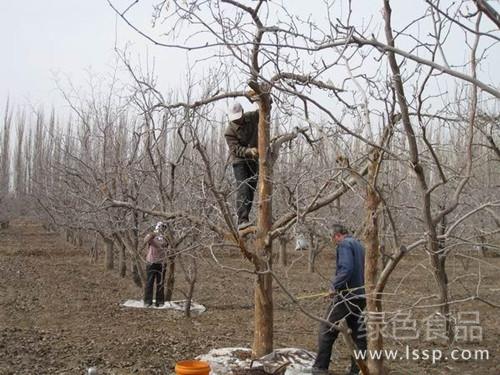
Pear tree bark scraping
1. Scraping must be meticulous. When scraping, work from the base of the three main branches of the pear tree downward, especially the old bark at the crotches, which must be carefully and thoroughly scraped clean, leaving no branch unscraped and no tree uncleaned.
2. Clean up the scraped bark thoroughly. When scraping bark, spread burlap sacks or plastic sheeting under the pear tree, collect the scraped bark, gather it together, and burn it in an open area, so as to avoid re-infection that harms the pear trees and affects their growth.
3. Scraping must be done properly. The correct scraping method: scrape large trees until the white shows, scrape small trees until the green shows; the xylem should not be scraped through, so as to avoid weakening the tree, dead branches, or dead trees caused by scraping too heavily.
4. Apply medicine to disinfect after scraping. For pear trees that have been scraped, after 7~10 days, apply a 50-fold solution of Junsuqing or Fubiqing to the branches and trunk to sterilize and disinfect. Never apply while scraping, so as to avoid drug poisoning of the pear trees, dead branches, dead trees, and similar situations.
5. Scraping tools must be hygienic. All tools used to scrape pear tree bark must be clean and hygienic, non-rotting and non-rusting. After each scraping of bark, they must be disinfected with alcohol or a 50-fold Junduqing solution before further use, so as to avoid infecting the pear trees with pathogens and causing unnecessary losses.