Winter prevention of jujube tree pests and diseases: cleaning the orchard, scraping bark, plugging holes, pruning, and spraying - none can be skipped
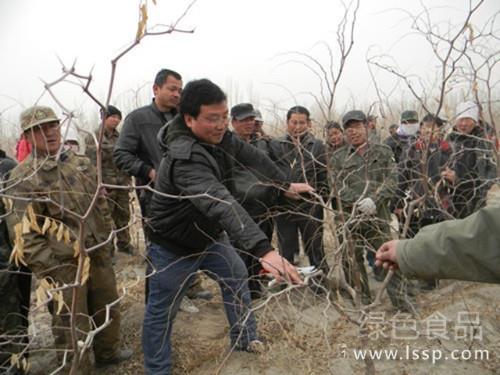
Jujube tree pruning
1. Cleaning the orchard: pests and diseases such as jujube rust, green plant bug, and jujube slug moth overwinter in dead branches, fallen leaves, or weeds. Therefore, after the jujube trees shed their leaves, the orchard should be cleaned promptly. Dead branches, fallen leaves, rotten fruit, and weeds in the orchard should be cleared away thoroughly and burned in a centralized manner, or buried deep underground.
2. Digging out pupae and cocoons: taking advantage of the habit of the peach fruit borer and jujube geometrid, which overwinter concentrated in the soil around the tree trunk, and combining this with deep soil plowing, pick up overwintering pupae and cocoons before the soil freezes and after it thaws, and destroy them in a centralized manner. This can effectively reduce pest damage the following year.
3. Scraping old bark: the temperature under the bark is 1-3°C higher than the outside air temperature. Bark and bark crevices are overwintering sites for pests such as the jujube leaf roller and red spider mite. Scraping old bark not only eliminates pests and diseases but also stimulates tree growth. Bark scraping is carried out from after leaf fall to before bud break. When scraping, spread plastic sheeting under the tree to collect bark and pupae, then burn or bury them deep.
4. Whitewashing: whitewashing the trunk can both prevent cold damage and prevent pests and diseases. Whitewash formula: quicklime 12 parts (slaked with cool water), sulfur 2 parts or 3 parts lime-sulfur mixture stock solution, salt 2 parts (dissolved in hot water), water 36 parts, appropriate amount of glue. Lime and sulfur can prevent freezing and sunscald, and can also prevent disease and kill insects. Salt helps lime penetrate the bark, retain moisture, and prevent the lime from cracking and peeling. Adding glue can enhance the adhesion of the whitewash. The whitewashing area should be high; all branches that have had old bark scraped must be whitewashed to prevent branch tip dieback.
5. Plugging tree holes: holes in old jujube trees easily breed pests and diseases, and are also overwintering sites for pests such as the jujube leaf roller. In winter, use 10 parts clay soil, 3 parts chopped wheat straw, add a little insecticide, mix with water into a mud slurry, and plug the tree holes to kill overwintering pupae.
6. Pruning pest-infested branches and cocoons: in combination with winter pruning, cut off branches damaged by the tortoise wax scale. For severe infestations, use a wire brush to remove overwintering pests, and also cut off the overwintering cocoons of the yellow slug moth.
7. Spraying chemicals: because the tortoise wax scale has a waxy shell on its surface, diesel emulsion can be sprayed to eliminate it. Before the jujube trees bud, the whole tree should be sprayed evenly and thoroughly with one application of 5 degrees Beaume lime-sulfur mixture, which can control pests such as red spider mite and pear scale.