Detailed explanation of how to make sticky insect traps, a step-by-step guide
How do you make sticky insect traps? What pests can sticky insect traps control? We also ask experienced netizens to help introduce the production method. Sticky insect trap trapping technology is an effective physical control technique that uses the color taxis of insects to control pests. Using it saves costs, is green and environmentally friendly, and using it year-round can greatly reduce the number of pesticide applications,...
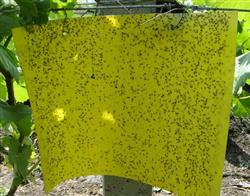 How do you make sticky insect traps? What pests can sticky insect traps control? We also ask experienced netizens to help introduce the production method
Sticky insect trap trapping technology is an effective physical control technique that uses the color taxis of insects to control pests. Using it saves costs, is green and environmentally friendly, and using it year-round can greatly reduce the number of pesticide applications. It is the preferred insect prevention equipment for organic agricultural products; therefore Zhongdi Network has compiled the production method of sticky insect traps, listed in detail below for netizens' reference.
The pests that sticky insect traps can control are:Adult leafminers, whiteflies, leafhoppers, aphids, thrips and other small insects, but blue sticky insect traps have a better trapping effect on leafhoppers and thrips.
Self-made sticky insect trap method:
Step 1, preparation of the board material:The board material generally can be waste cardboard of a certain thickness, calcium plastic board from pesticide and other packaging boxes, plywood, or thin iron sheet.
Step 2, preparation of the sticky insect glue:Butter, commercially available No. 10 machine oil, petroleum jelly, honey, etc. can be used. No. 10 machine oil, butter, petroleum jelly, etc. are mostly used alone as sticky insect glue agents, or No. 10 machine oil mixed with a certain amount of petroleum jelly or butter can be used as a sticky insect agent.
Step 3, painting the board material:On the front and back of a board material of a certain size, evenly apply the previously mixed yellow paint with a brush. After the paint dries, nail the yellow board to a 1 to 2 m wooden stick or directly fix it on field sheds or frames.
Step 4, applying sticky insect glue:Evenly apply the sticky insect agent on the front and back of the yellow board, sometimes adding a small amount of honey before use in production. Replace the yellow board once every 10-15 days or remove the insects and reapply the sticky insect agent once.
What are white grubs?
What are cutworms?