Heavy waterlogging damage to rapeseed caused by continuous overcast and rainy weather this winter; field management in winter and spring should be strengthened
Based on the current rapeseed seedling conditions and weather situation, the following suggestions are put forward regarding rapeseed field management techniques for winter and spring:
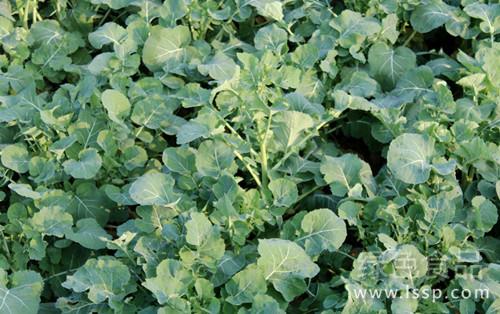
Rapeseed
Clearing ditches and managing soil moisture to prevent waterlogging damage:
From November to December, some areas in the middle and upper reaches of the Yangtze River Basin experienced continuous low-temperature overcast and rainy weather, and some rapeseed suffered severe waterlogging damage. Currently, it is the Major Snow solar term, a period of high incidence of cold waves, low temperatures, rain and snow, and rapeseed is prone to freezing damage. The three ditches should be cleared early to ensure that all ditches are connected and drainage is unobstructed, preventing severe waterlogging and freezing damage to rapeseed caused by continuous overcast and rainy weather in winter and spring.
Reasonably supplementing fertilizer to promote growth:
In response to the problem of insufficient autumn growth in some directly sown rapeseed, applying winter fertilizer can promote the winter growth of weak seedlings and upgrade seedling conditions. For third-class rapeseed fields with thin and weak growth, apply 7-10 kg per mu of rapeseed-specific formula fertilizer or high-concentration compound fertilizer as early as possible. For those with severe freezing damage, apply 5-7 kg per mu of urea as recovery fertilizer. For those growing normally, apply 3-5 kg per mu of urea as winter fertilizer as appropriate, and then at the bolting stage in spring, apply a general application of bolting fertilizer, with nitrogen fertilizer in the bolting fertilizer accounting for about 30% of the total nitrogen amount.
Regulating excessive growth to prevent freezing damage:
For those with excessive growth, apply less or no fertilizer, and on a sunny and warm morning, spray 30-40 g per mu of (15%) paclobutrazol or uniconazole to control excessive growth and promote sturdy growth, improve rapeseed's freezing resistance, and achieve safe overwintering. For fields that have already bolted, the "one vegetable, two uses" technique can be adopted: when the bolt height is about 40 cm, pick 15-20 cm of the bolt for consumption, delaying the reproductive process.
"One promotion and four preventions" to ensure a bumper harvest:
Because rapeseed sclerotinia has occurred frequently in recent years, the field sclerotia base is relatively large, and the disease risk is increased. Around the early flowering stage of rapeseed, "one promotion and four preventions" should be carried out to promote later growth of rapeseed, prevent flowering without setting seed, prevent sclerotinia, prevent "mouse tail", and prevent high-temperature forced ripening, ensuring high and stable rapeseed yields. Generally, per mu, a one-time mixed pesticide formulation can be used (40% dimethachlon wettable powder or 100 g prochloraz, 100 g monopotassium phosphate, 50 g quick-acting boron, etc.); for motorized sprayers, the pesticide application rate is 12-15 kg per mu, and for manual sprayers, no less than 30 kg per mu.