Key management points for Malus halliana during dormancy: what to do when falling temperatures inhibit growth
Malus halliana is not cold-tolerant. After late autumn, temperatures gradually drop and growth is inhibited. Without proper management, it may freeze to death, so the management work for Malus halliana during its dormancy period must be strengthened.
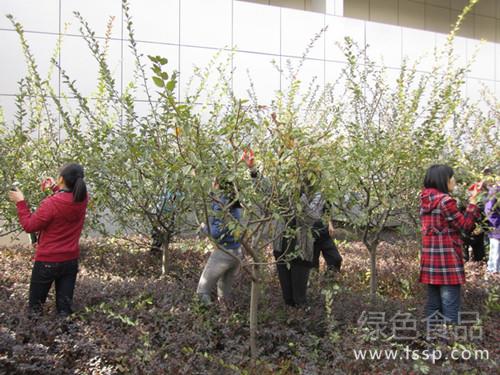
Crabapple pruning
I. Apply liquid fertilizer:In September, apply liquid fertilizer based mainly on phosphorus and potassium to promote flower bud differentiation in crabapple.
II. Remove fruit in time:The fruit ripens in October and should be removed promptly to avoid depleting nutrients. Saving nutrients helps increase the number of flowers the following year.
III. Prune appropriately:Carry out winter pruning in November, removing overlapping branches, dead, old and diseased branches, and adjusting the tree shape to favor growth. Before new growth emerges in early spring, promptly cut off diseased and insect-infested branches, dead branches and overly dense branches; for old plants, renew old branches by sawing off the upper ends of large branches that have few small twigs, and after new shoots emerge, cut off the thin and weak branches. Seal the wounds made during pruning with “wound-healing anti-corrosion film” to protect the wounds and prevent cracking, pests and diseases. “Wound-healing anti-corrosion film” helps the tree regain its vigor early and prevents cracking, pests and diseases. It is simple and highly effective to use.
IV. Keep warm and prevent freezing:In December it enters the dormancy period, so do a good job of freeze protection and warmth retention. Malus halliana likes sunshine, is not shade-tolerant and is not very cold-tolerant either. At this time, spray “Xingao lipid film” emulsion once every 10 days, for a total of 2 times, to prevent freezing and cold damage. “Xingao lipid film” is not a chemical fertilizer or a pesticide; it is a plant surface protectant. Sprayed on the tree, it causes no phytotoxicity and can form a monomolecular film invisible to the naked eye, wrapping the tree body and protecting it from adverse external environmental influences, serving to prevent freezing, keep it warm, and prevent pests and diseases.
V. Pest and disease control:The main pests and diseases of Malus halliana include rust disease and brown spot disease, Ceroplastes ceriferus, apple aphid, red spider mite and so on. When clearing the garden, combine it with pruning, remove diseased and insect-infested leaves and fallen leaves, and destroy them in a centralized way or bury them deep, to reduce the overwintering base of pests and diseases. Before the plant sprouts, spray “Hushu Jiangjun” + lime sulfur mixture to kill overwintering eggs and to keep warm and prevent freezing. “Hushu Jiangjun” can make the tree body form a protective film, with suffocating bactericidal action. It is suitable for protecting all kinds of tree bodies and preventing virus replication and infection.
To create a good overwintering environment for Malus halliana, strengthen the above five aspects of management in winter, keep it warm and prevent freezing, supplement nutrients, and help it overwinter safely.