Winter temperatures are low, yet vegetables are still prone to disease. How can diseases be prevented and controlled?
Prevention and control of winter vegetable pests and diseases
I. Open-field vegetables
Winter open-field vegetables are mainly cruciferous leafy vegetables. In winter, cruciferous vegetables suffer most severely and most commonly from aphids and downy mildew. If winter is sunny and dry, it favors the occurrence of aphids, and aphids will occur heavily. If there are many overcast and rainy days in the season, it favors the occurrence of downy mildew.
1. Downy mildew. It harms pak choi and lettuce. If winter is dry, the problem is not serious. If there is continuous overcast rain, commonly known as a "rotten winter," then downy mildew occurs heavily. The lower (basal) leaves of the vegetables become diseased and yellow, causing stunted growth and even death of the vegetables. The current weather has low temperatures and much rainfall, which favors the occurrence of downy mildew. Control pesticides: metalaxyl, mancozeb, thiram combined with New High Lipid Film.
2. Aphids. Aphids are the most severe and unavoidable pest on winter open-field vegetables, and can cause damage until late December. Although the current temperature is low and rainfall is heavy, and field pest numbers are relatively low, as the weather returns to normal, it will favor the occurrence of aphids. Special attention is needed: authoritative departments predict that this year is a warm winter, which will aggravate the occurrence of pests and diseases, especially aphid damage. Currently, the general rate of infested plants in the field is 2—8%, with 0—10 aphids per leaf, gathering on the underside of leaves or in rain-sheltered spots at the heart of the vegetable to cause damage. In heavily affected fields, the rate of infested plants is 35%, with hundreds to thousands of aphids per leaf, causing yellowing or death of the vegetables. Key points for control: cruciferous vegetables that have never been treated for aphids; control threshold: infested plant rate exceeding 10%; control pesticides: acetamiprid, imidacloprid, and pyrethroid pesticides combined with New High Lipid Film and Hushu Dajiangjun.
II. Greenhouse vegetables
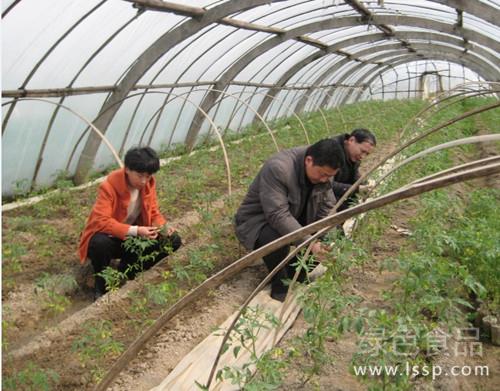
Because humidity inside the greenhouse is high and the temperature is high, diseases occur widely and severely, so controlling diseases well is crucial. Inside the greenhouse are mainly fruits and vegetables from the late autumn season. The main disease types vary depending on the variety and management conditions, mainly phytophthora blight, anthracnose, powdery mildew, soft rot, and downy mildew. As the fruits and vegetables are gradually harvested, seedling-stage vegetables in the greenhouse gradually increase, so gray mold, anthracnose, and damping-off will occur heavily. Greenhouse disease control should be strictly managed, especially at the seedling and flowering stages, with conservative control and prevention as the priority, applying control once every 7—10 days. When diseased branches and leaves are found, pick them promptly and burn them. If the disease is severe and humidity is high, switch to smoke-agent control. Winter pests in the greenhouse are mainly aphids. Because they reproduce quickly and cause wounds and spread viruses, control them promptly when found. Warm winter weather will aggravate the occurrence of pests and diseases in greenhouse vegetables, and vegetable growers must pay attention. To truly control greenhouse diseases, supporting cultivation management is indispensable, such as narrow beds with deep furrows, soil disinfection, transplanting disease-free seedlings, plastic film mulching, using anti-drip film, and opening the greenhouse in a timely manner for ventilation and air exchange.
Control pesticides: phytophthora blight: Copper Master or Longkejun combined with New High Lipid Film; powdery mildew: Fenxiuling (triadimefon) and Hushu Dajiangjun; gray mold: Huike or Sumilex combined with New High Lipid Film; anthracnose: anthracnose thiram or chlorothalonil mixed with New High Lipid Film for spraying.