Sweet cherries are not cold-tolerant and can easily freeze to death in low temperatures: a detailed explanation of key winter management points
In recent years, due to abnormal climate, sweet cherries have suffered frost damage in winter. Sweet cherries are not tolerant of severe cold. When winter temperatures drop to -20°C, flower buds and branches suffer frost damage, and below -25°C the tree body dies. Therefore, the focus of winter cherry management lies in protecting the tree body from the cold, while also paying attention to controlling overwintering pests and diseases, so as to provide assurance for the tree body to overwinter safely and for the next year's growth and yield.
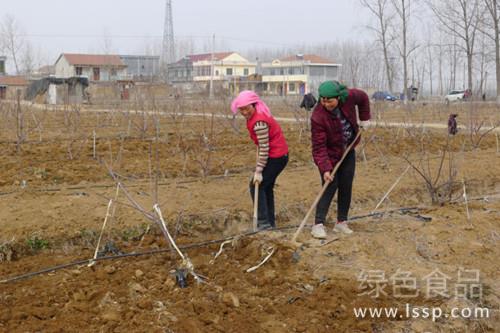
Cherry orchard clearing and deep plowing
1. Before leaf fall, foliar fertilization:
Foliar fertilization is simple and easy to carry out, uses a small amount of fertilizer, and takes effect quickly. According to research, before leaves abscise, 50%-75% of nitrogen returns to the cherry tree body; spraying the tree canopy with 0.8%-1% urea 2 weeks before leaf fall can accelerate the return of nutrients within the leaves, increase the nutrients stored in the tree body, and thereby improve the freezing resistance of flower buds and the tree body.
2. Whitewashing the branches and trunk:
Whitewashing the trunk can reduce tree damage to cherries caused by low winter temperatures, and can cover wounds to prevent pathogen invasion. Whitewashing is generally carried out in late autumn after leaf fall. Before whitewashing, first scrape off old peeling bark, and whitewash the trunk below 1 m on the middle and lower part of the tree body and the base 0.3 m of the main branches, especially the branch crotches, which should be painted with emphasis. The whitewash agent is prepared with 8-10 parts quicklime, 1 part lime sulfur concentrate, 1 part salt, 20 parts water, and a small amount of animal oil or vegetable oil. When preparing, first dissolve the salt and quicklime with a small amount of water, then add the lime sulfur and oil, and stir evenly. Whitewashing can not only prevent freezing, but also effectively control pests and diseases.
3. Watering with freezing water:
If autumn is dry, from the end of November to the beginning of December before the soil freezes, when the soil is “frozen at night and thawed during the day,” irrigate the cherry orchard once with freezing water, soaking through the root soil layer. This reduces soil drought. When the water freezes and cools, it releases heat, thereby increasing the temperature in the orchard, maintaining a relatively stable soil temperature, reducing frost damage, and preventing spring branch shriveling.
4. Orchard clearing and deep plowing:
Before the soil freezes, by deep plowing the tree disk, expose the pupae or adults of overwintering pests such as fruit borers on the soil surface, and use the low winter temperatures to kill them. After leaf fall, promptly remove fallen leaves and weeds, prune diseased and pest-infested branches, and move them outside the orchard for deep burial or burning.