What are the functions of plant auxins? A detailed explanation of their main functions
What are the functions of plant auxins? What are the main types? We also ask knowledgeable readers to help explain. The common plant auxins on the market today mainly include β-indoleacetic acid, brassin, cytokinin, gibberellin, sodium naphthaleneacetate, diethyl aminoethyl hexanoate (DA-6), etc. Zhongdi Network has compiled the functions of plant auxins,...
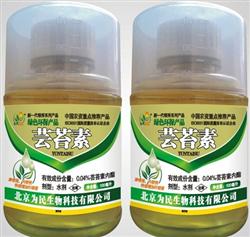 What are the functions of plant auxins? What are the main types? We also ask knowledgeable readers to help explain
The common plant auxins on the market today mainly include β-indoleacetic acid, brassin, cytokinin, gibberellin, sodium naphthaleneacetate, diethyl aminoethyl hexanoate (DA-6), etc. Zhongdi Network has compiled the functions of plant auxins, listed in detail below for readers' reference.
Functions of plant auxins:
Plant auxins are hormones produced by cell regions with division and expansion activity that regulate the direction of plant growth. They can loosen the plant cell wall, thereby allowing cells to grow, and in many plants they can also increase the synthesis of RNA and protein. They regulate plant growth, and in particular are a class of hormones that stimulate the longitudinal growth of cells in stems and inhibit the transverse growth of cells in roots.
Types of plant auxins:
I. Growth-promoting types:This type of plant auxin mainly promotes crop cell division, elongation and differentiation, breaks crop dormancy, promotes flowering, delays organ abscission, keeps the aboveground parts green, and delays crop senescence, so as to improve crop stress resistance under adverse conditions, promote plant growth, increase vegetative harvest yield, raise the fruit-setting rate, promote fruit expansion, and increase crop fruit weight, among other effects.
II. Growth-inhibiting types:This type includes auxin transport inhibitors, growth retardants, growth inhibitors, ethylene releasers and abscisic acid, etc.
1. Auxin transport inhibitors mainly promote the growth of crop lateral branches and buds by inhibiting crop apical dominance.
2. Growth retardants mainly delay growth by inhibiting the activity of the apical meristem of crop stems.
3. The effect of growth inhibitors is mainly to inhibit the growth of terminal buds by destroying apical meristem activity; but unlike growth retardants, after a certain period of time after application, the plant can resume apical growth.
4. Ethylene releasers are used to inhibit cell elongation growth, cause transverse growth, and promote fruit ripening, senescence and abscission of vegetative organs.
5. The main effect of abscisic acid is to promote the abscission of plant leaves and fruits.
What is expansion agent
What is gibberellin (920)