Causes and Prevention of Bald, Spineless, Abnormally Colored, and Coral-like Deformed Lion's Mane Mushrooms
Many mushroom growers have discovered deformed lion's mane mushrooms (Hericium erinaceus) during cultivation. Therefore, Green Food Network has compiled the causes and prevention methods of lion's mane mushroom deformities for growers' reference.
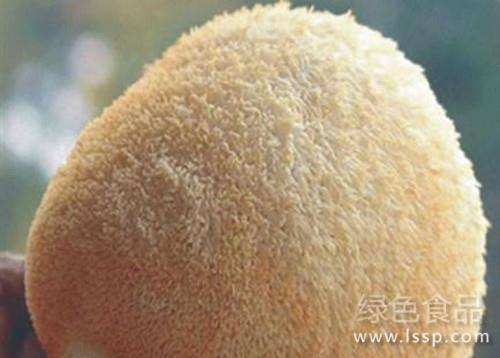
Bald and Spineless
Bald and spineless lion's mane mushroom:Caused by relatively high temperature and relatively low humidity. At 25°C, the fruiting body evaporates too much water, and if the humidity cannot keep up in time, it will not grow spines and form a bald mushroom.
Prevention methods: Pay attention to temperature control and moisture retention. When the temperature exceeds 25°C, for field cultivation, the film should be uncovered in the morning and evening for ventilation, and both ends of the covering film should be opened during the day to allow air circulation; irrigate the furrows to lower the ground temperature, spray atomized water in the space to increase humidity, maintaining it above 90%, and thicken the shade canopy to reduce sunlight penetration and lessen water evaporation.
Coral-like Clustering Deformity
Coral-like clustering form:The base of the mushroom body branches and clusters repeatedly, resembling coral, and a root-like rhizomorph connected to the substrate can be seen. Some of these fruiting bodies die during the fruiting period, while others continue to grow. The tips of the small branches continuously expand, forming multiple lion's mane mushroom fruiting bodies. This type of mushroom is mainly caused by excessive carbon dioxide concentration, which stimulates continuous differentiation of the stipe and inhibits development of the central part; it can also be caused by aromatic compounds or other sterilizing substances in the substrate that inhibit or abnormally stimulate mycelial growth and development; some growers one-sidedly emphasize heat preservation and moisture retention while neglecting ventilation, and under such saturated humidity and still-air conditions, the fruiting body is forced to develop abnormally.
Prevention methods: 1. Strengthen ventilation in the mushroom yard to prevent the occurrence of deformed young mushrooms, especially for indoor cultivation, where extra attention should be paid to ventilation to improve environmental conditions. 2. When selecting substrate, remove trees with sterilizing effects such as Chinese fir, pine, camphor, poplar, and pagoda tree. 3. For fruiting bodies that have already formed coral-like shapes, immediately scrape them off together with the surface substrate while they are still young, then re-cultivate for normal fruiting.
Abnormal Mushroom Color
Abnormal mushroom color:Generally, the lion's mane mushroom body turns yellow, with short and thick spines; some fruiting bodies turn red, or from the young mushroom stage to maturity they appear pink, and the mushroom body tastes bitter. This type of mushroom often occurs in autumn and winter cultivation, when the temperature drops suddenly; during the fruiting body development stage, if the temperature is below 10°C, the mushroom body turns red, and the color deepens as the temperature drops further. During indoor cultivation ventilation, if the fruiting body is stimulated by direct drafts, the mushroom body becomes yellow and withered.
For discolored mushrooms, the causes should be distinguished and treated accordingly. For those caused by low temperature, when scheduling inoculation, consider that about 25 days after inoculation, the local temperature should not be lower than 14°C; using this as a benchmark, calculate backward to determine the optimal inoculation period to avoid low-temperature damage.
Prevention methods: For field furrow cultivation, seal the covering film, ventilate when the temperature is high at noon, and thin out the shade material to let in light and increase temperature; for indoor cultivation, avoid direct wind blowing on the lion's mane mushroom bodies during ventilation, or cover the mushroom bags near the windows with wet gauze.