Eggplant Nutrient Deficiency Hinders Growth: How to Prevent and Control Nutritional Disorders
During their growth and development, eggplants need to absorb a variety of nutrients. Physiological diseases caused by the lack of a certain nutrient element are called eggplant nutrient deficiency disorders or nutritional disorders.
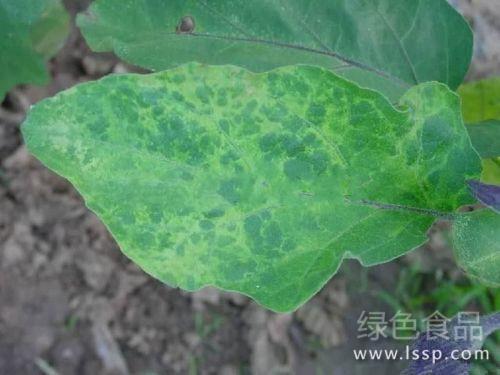
Eggplant Nitrogen Deficiency
Nitrogen deficiency disorder:When eggplants lack nitrogen, the leaf color becomes pale, the old leaves turn yellow, and in severe cases they dry up and fall off, the flower buds stop developing and turn yellow, and the heart leaves become smaller. Prevention and control measures: when preparing the soil, apply sufficient base fertilizer, especially more farmyard manure; during the eggplant growing period, avoid waterlogging in the field; when nitrogen deficiency is found, promptly apply quick-acting nitrogen fertilizers such as urea and ammonium bicarbonate, or human excrement and urine, or spray the leaves with a 0.3-0.5% urea solution.
Phosphorus deficiency disorder:When eggplants lack phosphorus, the stems become slender, the fibers are well developed, flower bud differentiation and the fruiting period are prolonged, the leaves become smaller, the color becomes darker, and the leaf veins turn red. Prevention and control measures: before planting, apply sufficient superphosphate or diammonium phosphate; if phosphorus deficiency is found during the growing period, spray the leaves with a 0.2% monopotassium phosphate solution or a 0.5% superphosphate extract.
Potassium deficiency disorder:When eggplants lack potassium, in the early stage the heart leaves become smaller, growth is slow, and the leaf color becomes pale; in the later stage, the areas between the leaf veins lose greenness, yellow-white patches appear, and the leaf tips and edges gradually dry up. In production, potassium deficiency in eggplants is relatively rare. Prevention and control measures: increase the application of potassium fertilizer and organic fertilizer, generally using 10-15 kg of potassium sulfate or potassium chloride per mu, applied in furrows on both sides; a 0.2-0.3% monopotassium phosphate solution or a 10% plant ash extract can also be sprayed on the leaves.
Calcium deficiency disorder:When eggplants lack calcium, growth is slow, the growing point becomes deformed, the leaf edges of young leaves lose greenness, the netted leaf veins turn brown, and the leaves appear rust-colored. Prevention and control measures: water and fertilize on time; when calcium deficiency is found, promptly supplement calcium fertilizer, or spray the leaves with fully water-soluble Meilin high-efficiency calcium.
Magnesium deficiency disorder:When eggplants lack magnesium, the area near the leaf veins, especially around the main leaf vein, turns yellow, the leaves lose greenness, the fruits become smaller, and development is poor. In production, magnesium deficiency in eggplants is relatively common. Prevention and control measures: increase the application of magnesium-containing fertilizers, such as magnesium sulfate, magnesium chloride, magnesium nitrate, magnesium oxide, and potassium-magnesium fertilizer, all of which are soluble in water and easily absorbed and utilized; a 1-3% magnesium sulfate or 1% magnesium nitrate solution can also be sprayed on the leaves.
Iron deficiency disorder:When eggplants lack iron, the young leaves and new leaves appear yellow-white, and the leaf veins remain green. It often occurs under conditions of acidic soil, excessive fertilizer, and excessive moisture. Prevention and control measures: spray the leaves with a 0.5-1% ferrous sulfate solution.
Eggplant Boron Deficiency
Boron deficiency disorder:When eggplants lack boron, the top leaves turn yellow and wilt, the top stems and petioles break, the interior turns black, and cork-like cracks appear on the stems. Remedial measures: when boron deficiency is found, spray the leaves with a 0.05-0.1% Hong A boron solution.
Manganese deficiency disorder:When eggplants lack manganese, the areas between the leaf veins appear yellow-green, soon turn brown, and the leaf veins remain green. Prevention and control measures: spray the leaves with a 1% manganese sulfate solution.
Zinc deficiency disorder:When eggplants lack zinc, the leaves are small and appear clustered, yellow spots appear on the new leaves and gradually spread toward the leaf edges, causing the entire leaf to turn yellow. Prevention and control measures: spray the leaves with a 0.1% zinc sulfate solution.
Molybdenum deficiency disorder:When eggplants lack molybdenum, starting from the fruit enlargement stage, yellow spots appear between the leaf veins, and the leaf edges curl inward. Prevention and control measures: spray the leaves with a 0.01-0.1% ammonium molybdate solution.