How to grow potted figs: enjoy both ornamental beauty and edible fruit
Potted figs have graceful branches and leaves and a beautiful tree shape; they are grown both for their foliage and their fruit, which can also be tasted. Many people do not know how to grow potted figs, so today we will introduce the growing methods for potted figs.
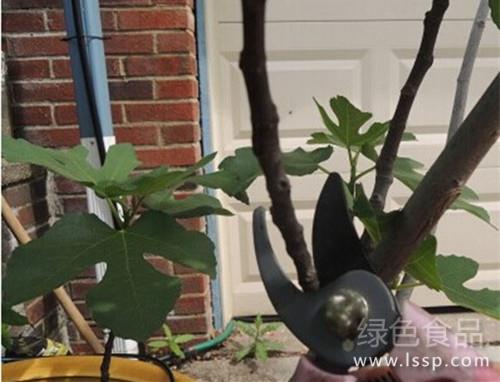
Pruning potted figs
1. Figs have a well-developed root system and need to be grown in a large container, generally a large clay jar, and they also need a fairly spacious growing environment. An open-air balcony, terrace, or courtyard is all quite suitable for fig growth.
2. Figs have low soil requirements, but when grown in pots, it is best to choose fertile soil with good air permeability. When planting or repotting, add decomposed cake fertilizer, chicken manure, and other organic fertilizers rich in carbon, phosphorus, and potassium to the pot. Only in this way can the figs have lush branches and leaves and bear fruit early.
3. The amount of watering for potted figs can basically be determined according to the growth progress of the branches and leaves. When the branches and leaves sprout in spring, water less; just keep the potting soil at a certain moisture level. As the branches and leaves gradually grow and the temperature slowly rises, the figs enter the fruiting stage. At this time, increase the amount of watering, watering once in the morning and once in the evening to keep the potting soil moist. If watering is not timely, the branches and leaves are prone to wilting and the fruit may drop. In autumn, after the fruit ripens, reduce the amount of watering; too much water will cause the figs to split. On cloudy and rainy days, besides controlling watering, also pay attention to preventing water accumulation in the pot to avoid waterlogging damage.
4. The new shoots of figs grow quickly, so pruning and shaping should be done promptly in normal care. This is especially true for potted figs; if the trunk is too tall, it affects the ornamental appearance, and daily maintenance is also more troublesome. Therefore, potted figs must have the trunk limited to a certain height and must not be allowed to grow freely. The specific method: when the trunk of the young plant grows to about 20cm, cut off the top shoot to encourage it to sprout branches. According to your own preferences, prune it into a certain shape to enhance its ornamental value.
5. Figs are not cold-tolerant. Outdoor potted figs should be moved indoors promptly around the time of frost descent in late autumn; indoor ones should be placed in a sunny, well-ventilated balcony, living room, or other such place for care. In winter, figs enter dormancy and growth tends to stagnate. At this time, watering can be done flexibly according to room temperature. If the room temperature is relatively high, water a little more; if they are placed in a room at about 5°C, then control watering and keep the potting soil as slightly dry as possible. Only in this way can the figs safely get through the winter.