Growing potted kumquat: a method that is both ornamental and edible
The kumquat tree is an evergreen shrub (small tree). Its fruit is golden yellow with a fresh fragrance, and it stays on the tree for a long time, giving it strong ornamental value, making it suitable as an ornamental potted plant. The kumquat is also sweet and tart, and in the warm regions of the south it can be grown as a fruit tree for commercial purposes. The kumquat likes sunlight and a warm, humid environment; it is not cold-tolerant, tolerates slight shade, is drought-tolerant, and requires soil with good drainage, specifically a fertile, loose, slightly acidic sandy soil.
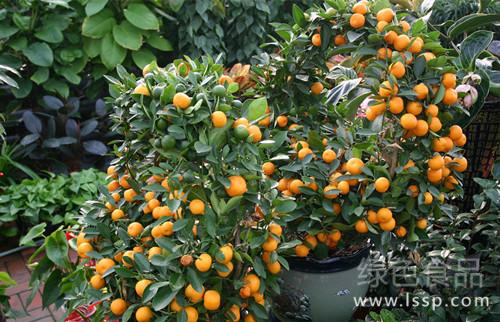
Potted kumquat
The kumquat is a light-loving plant, yet intense sunlight is not good for its growth. The suitable average annual temperature for growth is above 15°C, with the optimal temperature being 23—29°C. Above 35°C, growth stops, and at -2°C it suffers cold damage. Kumquat trees generally need no cooling in summer; moving them indoors before Frost's Descent and outdoors after Qingming allows them to overwinter safely.
Kumquat trees can be propagated by grafting. The rootstock is trifoliate orange, sour orange, or sown seedling stock. Grafting methods include cleft grafting, bud grafting and approach grafting; for cleft grafting, use the cut-grafting method in spring from March to April. Bud grafting is carried out from June to September, while potted plants mostly use approach grafting, carried out from April to July.
Kumquat trees need more water during their growth process. Generally speaking, water moderately in spring. In summer, with strong light and high temperatures, more water is needed, but it must be given at the right time and in the right amount, otherwise it causes fruit drop. In autumn, as the autumn shoots grow and the fruit swells, sufficient water is needed. In late autumn and winter, during flower bud differentiation, the potting soil should be kept on the dry side. The kumquat tree likes fertilizer; besides applying enough base fertilizer when potting and repotting, during the growing period one should insist on light, frequent fertilizing. The number of fertilizing times and the amount applied should be determined by the kumquat tree's growth vigor and phenological stage. For liquid fertilizer, fully fermented cake fertilizer is best, with a cake-to-water ratio of 1:200. Northern soil tends to be alkaline, so ferrous sulfate can be added to the fertilizer to make a slightly acidic nutrient solution.
In addition to proper water and fertilizer management, potted kumquat also requires attention to pruning. In the spring sprouting period, cut off some of the previous year's branches, keeping 2—3 buds on the vigorous ones, and keep 3 pruned 1-year-old branches per plant, which helps the spring branches sprout. When the new shoots grow to 15—20 cm, pinch off the growing tips to make the branches plump. When the branches have grown in fully, apply a fast-acting phosphorus fertilizer, such as superphosphate, to prevent excessive vegetative growth of branches and leaves, promote flower bud differentiation, and bring about earlier flowering and fruiting. At the end of May, the current year's spring shoots begin to bloom; during the flowering period, thin the flowers appropriately. After fruit set, thin out weak fruits once according to tree vigor, with 2—3 per branch being appropriate. Cut off autumn shoots in time to prevent a second fruiting.