Potatoes have a potassium-loving characteristic; during which growth stages is potassium demand greatest?
Potatoes have a potassium-loving characteristic and a high demand for potassium, so potassium fertilizer application should be given greater attention during cultivation. To produce every 1000 kg of potato tubers, 5 kg of pure nitrogen, 2 kg of phosphorus pentoxide, and 10.6 kg of potassium chloride must be absorbed from the soil, with an N:P:K absorption ratio of 1:0.4:2.1.
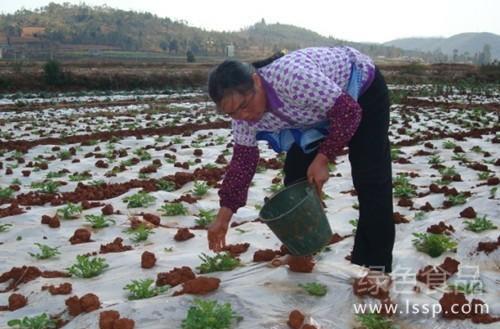
Topdressing for potatoes
After applying additional potassium fertilizer to potatoes, first, it can increase cell turgor pressure, making cells more elastic and regulating the opening or closing of leaf cells, which helps potatoes absorb more carbon dioxide to manufacture carbohydrates and form starch and sugars; second, it can promote root development, absorb more water, alleviate water evaporation, and improve drought resistance; third, it can promote the development of stem cellulose, improve stem support, and enhance the potato's resistance to lodging, pests, and diseases, which helps transport organic nutrients (starch) within the potato plant to storage organs (underground stems and fruits), accelerating tuber expansion, thereby increasing yield and improving quality.
Potassium fertilizer application generally adopts two methods: basal fertilizer and topdressing. For the distribution of nitrogen, phosphorus, and potassium fertilizers, 50% of the nitrogen fertilizer, all of the phosphorus fertilizer, and most of the potassium fertilizer are used as basal fertilizer. For basal fertilizer varieties, a medium-concentration general-purpose compound fertilizer can be selected, or single-element fertilizers can be used in combination. For the 50% nitrogen and a small portion of potassium used in topdressing, urea, ammonium nitrate, and potassium sulfate can be selected.
When applying, the periods when potatoes need the most potassium should be seized. The first is the seedling stage. Apply 3-5 kg of potassium chloride or potassium sulfate per mu, or 25-30 kg of plant ash (containing 7.5% available potassium) as basal fertilizer, evenly broadcast during land preparation, and mix soil and fertilizer. Potassium fertilizer can also be applied as a seedling fertilizer topdressing, with 2-3 kg of potassium fertilizer applied per mu in bands or holes at a depth of about 10-15 cm; after fertilizing, irrigate and cover with soil. The second is the tuber formation stage. Apply the same amount of potassium fertilizer per mu as above; after tuber expansion or pegging of the pods, apply crack fertilizer and tuber-setting fertilizer, which can effectively accelerate the infusion of organic nutrients from stems and leaves into the tubers. In the late growth stage of potatoes, 1% potassium sulfate or 0.3% potassium dihydrogen phosphate or 5% plant ash water (after soaking for 24 hours, take the clear liquid or filtrate) can be sprayed on the leaves 1-2 times (at intervals of 7-10 days), which can lower leaf temperature, help drought resistance, and eliminate pests and diseases (carried out together with pest and disease control), with very significant results.
It should be noted that topdressing should not be done too early; it is generally carried out during the tuber expansion stage. Topdressing too early, especially after excessive application of large amounts of nitrogen fertilizer, will cause excessive aboveground growth of potatoes and the formation of small tubers underground. Potassium chloride and potassium sulfate are physiologically acidic fertilizers; with long-term application, soil acidification should be prevented, and they can be applied together with an appropriate amount of lime. Potassium chloride should not be applied in saline soil.