What raw materials are used for cultivating straw mushrooms? Comparative analysis of the advantages of each material
The straw mushroom (Volvariella volvacea) is cultivated in the hot, rainy season and is the fastest-maturing edible mushroom, requiring only 10—14 days from spawning to harvest, with easy-to-master techniques, low cost and quick returns. The raw materials for cultivating straw mushrooms are very diverse, and nowadays the waste fibre of many crops can be used to cultivate them. Here is a brief introduction for mushroom growers to the straw mushroom materials available in everyday life.
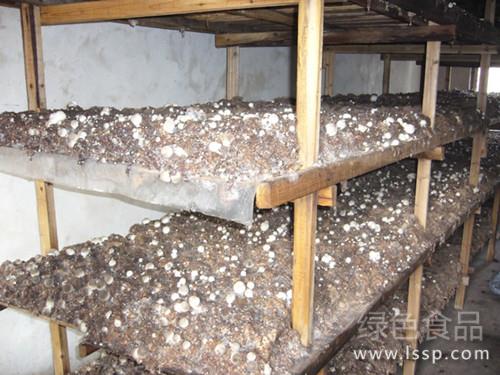
Straw mushroom cultivation
1. Rice straw. Rice straw has a long history of use in straw mushroom cultivation, and its formulas and cultivation models are also varied; it can be used for raw-material cultivation or fermented-material cultivation. Used as a raw material, it colonises quickly, the technique is easy to master, diseases are relatively few, and straw mushroom yields are high. In many regions this material is widely used.
2. Cottonseed hulls. Cottonseed hulls are rich in nutrients, loose in texture, strong in heat and moisture retention, and good in aeration, making them an ideal raw material. But in recent years the price of cottonseed hulls has risen, so using them to cultivate straw mushrooms is costly, and for now not many growers use good cottonseed hulls to cultivate straw mushrooms.
3. Waste cotton. Waste cotton is the leftover material from cotton textile mills and cotton oil mills; it is rich in cellulose, highly suited to the growth characteristics of straw mushroom mycelium, and its heat and moisture retention is no worse than that of cottonseed hulls. Used as a substrate, straw mushroom yields are higher than with other natural fibre materials, so the promotion of waste cotton for straw mushroom cultivation is very extensive.
4. Corn stalks (or corn cobs). In rural areas this material is generally used as firewood or for composting, with low utilisation value; if used to cultivate straw mushrooms, its benefits are greatly increased. When using this material to cultivate straw mushrooms, note that part of the nutrients should be added to the formula or it should be mixed with other substrates to raise straw mushroom yields.
5. Soybean stalks. Soybean stalks are very good for cultivating other edible mushrooms, and trials have shown that using them to cultivate straw mushrooms is equally feasible; the cultivation model can be the raw-material direct-spawning bed method.
6. Wheat straw. Large areas of wheat are grown in northern China, and every year a large amount of wheat straw can be used to cultivate straw mushrooms. Years of growing have proved that using wheat straw to cultivate straw mushrooms is no worse in effect than rice straw.
7. Spent mushroom substrate. In the waste material from cultivating enoki mushrooms (Flammulina velutipes), white king oyster mushrooms (Pleurotus nebrodensis) and other edible mushrooms, the nutrients are not entirely used up and still have value for full utilisation. Using it to cultivate straw mushrooms works because the straw mushroom production cycle is short and the nutrients needed by straw mushroom mycelium can be fully replenished from this waste material. Therefore, in areas where oyster mushrooms and enoki mushrooms are cultivated on a large scale, spent mushroom substrate can be fully used to cultivate straw mushrooms.
8. Dry tree leaves. In recent years many regions of China have planted fast-growing poplars and the like, and in autumn a large amount of leaves can be collected. In summer, cultivating straw mushrooms with leaves in shady woodland is also highly profitable.
In short, when growing straw mushrooms you should not limit yourself to a certain raw material; you should suit measures to local conditions, draw on materials widely and flexibly apply various cultivation models to achieve high yields and high efficiency in straw mushroom cultivation.