Key points of spring management techniques for pear trees: fertilizing to ensure fruit set and preventing and controlling pests and diseases
In spring management of pear trees, it is necessary to fertilize scientifically, ensure fruit set, and control pests and diseases, so as to ensure high yields in the pear orchard. The specific key points include:
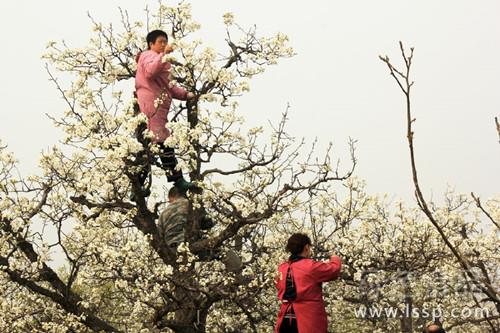
Pear tree pollination
Intertillage and weeding: Right now is the period when pear tree spring buds are breaking and weeds are emerging from the soil. To prevent weeds from competing with pear trees for nutrients, before fertilizing, intertillage and weeding should be carried out. Weeding should be done according to the growth pattern of the pear root system, which is beneficial to new root growth. Weeding can be done manually or chemically.
After intertillage and weeding, apply fertilizer. For young trees, it is best to apply frequently and lightly, using decomposed human and livestock manure, urea, etc., digging holes to apply and then covering with soil; for fruiting pear trees, apply bud-promoting fertilizer at the end of February, flower-promoting fertilizer in mid-March, and young fruit development fertilizer in mid-April. Each time decomposed human and livestock manure is applied, add 0.5 jin of urea per carrying load; for pear trees that have just begun to bear fruit, apply to 4 trees; for pear trees entering full fruiting stage, apply to 2 trees, and for large trees apply to 1 tree, applying in holes or trenches at the drip line of the canopy, and covering with soil promptly after application. If spring drought occurs, water promptly as well to ensure budbreak, shoot growth, flowering, and young fruit enlargement; in rainy periods, clear drainage ditches to prevent root waterlogging.
Flower and fruit thinning: It is best to thin flowers from the bud-showing stage to before flowering, and the earlier the better. Leave one inflorescence every 25—30cm; after the inflorescences separate, keep the 3 flowers at the base of each inflorescence, and try to keep inflorescences on both sides of the branch. The number of inflorescences left may be slightly greater than the number of fruits to be retained. Fruit thinning is carried out after petal fall, and the number of fruits retained depends on the variety, tree age, and tree vigor. Thin each inflorescence to a single fruit, keeping fruits with regular shape, long stalks, and no damage or pests and diseases, and try to select and keep fruits at the 2nd and 3rd positions from the base. Keep more on the middle and lower parts of fruiting branches and fewer at the tips; keep more side fruits and fewer fruits on the underside.
Scientific pollination: Pollination of pear trees directly affects the deformity rate and yield of pears. Pollination can be carried out by placing bees and by artificial supplementary pollination.
For bee pollination, place bee colonies in the pear orchard 5—7 days before flowering, especially in densely planted pear orchards; for artificial supplementary pollination, collect pollinating flowers early, then extract the pollen, and use a brush or paper stick to dip a small amount of pollen for spot pollination. Pollination can be carried out at the beginning of flowering; it is best to pollinate 1—2 flowers at the base of each inflorescence, and pollinate 2—3 times during the whole flowering period.
Pest and disease control: The pests and diseases that commonly occur and cause serious damage to pear trees include pear scab, pear rust, pear ring rot, pear valsa canker, and pear black spot, which can lead to weak growth, delayed fruiting, reduced yield, and a low rate of high-quality fruit.
Control measures: Before fruit tree budbreak, spray once with 2—3 degree lime sulfur mixture, which can control overwintering pear psyllids, scale insects, and other pests and diseases; in March during the flower bud cracking stage, spray with 50% carbendazim 500-fold solution to control pear fruit borers, pear weevils, and other bud- and flower-feeding pests as well as pear scab, black spot, brown spot, and other diseases; in mid-to-late March, spray with 65% zineb 500-fold solution to control pear sawflies and also control blossom blight; in early April during the young fruit stage, spray with triadimefon 500-fold solution plus abamectin 2000-fold solution to control pear rust, pear psyllids, pear aphids, pear weevils, and others.