What to do when tomatoes color poorly in low-temperature weather
The main reasons for poor coloring of tomato fruit are the following three points:
Unsuitable temperature is the main reason for poor coloring of tomato fruit
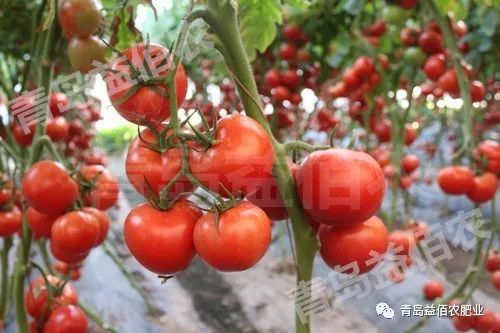
Tomatoes prefer a cool and dry climate, and the day-night temperature difference during the growth period should be large. The lower the night temperature, the earlier the flower bud differentiation, and the lower the position where the first inflorescence is borne, the greater the number of flowers. The temperature requirements of tomatoes vary with each growth stage. The optimum temperature for the germination stage is 28-30°C; below 10°C or above 40°C, germination is difficult. During the flowering stage, 15-30°C is suitable; below 15°C or above 35°C, the flower organs develop poorly, affecting fruit set. When the temperature is 18°C-26°C, fruit coloring is best. When the day temperature is above 32°C, the fruit grows and ripens quickly, but lycopene formation is hindered, affecting coloring. When the temperature is too low, it will also seriously affect fruit coloring. At present, if the greenhouse or shed does not have good insulation, then when the shed temperature is below 12°C, normal coloring cannot occur.
Improper fertilizer and water management can also affect normal fruit color change
When the planting water has been watered sufficiently, generally no additional fertilizer or water is applied before the first truss fruit sets. If the soil is too dry, a small amount of water can be applied on a sunny morning. Topdressing and watering should be done on a sunny morning. After watering, first close the shed to raise the temperature, and after the temperature rises, increase ventilation. When the second truss fruit is swelling, apply topdressing once more, with the same amount as the first time. During the fruit swelling stage of tomatoes, water once every 7-10 days, and the amount of water should be uniform.
Wipe the greenhouse film in time and remove old leaves and diseased leaves
When the tomato fruit has basically reached full size, the lower leaves can be removed. Diseased leaves should also be removed in time to increase ventilation and light transmission and promote normal fruit coloring.
Based on the analysis of the above reasons, the various farming management practices can be strengthened accordingly to create good environmental conditions for normal coloring of tomatoes.After entering the coldest days of winter, tomatoes cannot turn red for a long time because the temperature does not meet the requirements for lycopene production. Chemical ripening before harvest is an effective measure to promote tomatoes to reach the market earlier. However, in the actual ripening process, improper handling often inhibits plant growth, and in some cases phytotoxicity also occurs.
Therefore, the following issues should be noted when using chemicals for ripening:
(1) Ripening should not be too early. Generally, the best ripening effect is achieved when the fruit has fully grown. If the fruit is still at the green-ripe stage and has not fully grown, rushing to ripen it is prone to uneven coloring and stiff fruit.
(2) The concentration of the chemical should not be too high. Tomato ripening mostly uses 40% ethephon, with 50 milliliters of ethephon added to 4 kilograms of water, mixed evenly before use. If the solution concentration is too high, it will damage the leaves at the base of the plant, causing the leaves to turn yellow and producing obvious symptoms of phytotoxicity.
(3) The number of fruits ripened per plant each time should not be too many. Generally, 1-2 fruits per plant per treatment is best. Because if too many fruits are ripened on a single plant at one time, the plant may receive too much chemical and is prone to phytotoxicity.
(4) The solution should not touch the leaves. If the solution touches the leaves, it will cause the leaves to turn yellow and fall off. The specific method for ripening is: dip a small piece of sponge in the solution and smear it on the surface of the fruit; or wear cotton yarn gloves, dip them in the solution, and smear the surface of the fruit.