What to Do About Bare Tips on Corn? Control Methods for Missing Kernels at the Ear Tip
Bare tips are a common occurrence in corn production. The following measures can be taken to control them:
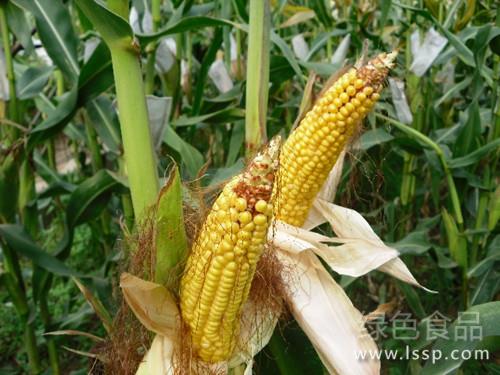
Bare Tips on Corn
1. Choose good varieties: Good corn varieties are the foundation of high yield and the key to production. The genetic traits of a corn variety directly affect corn productivity, stress resistance and adaptability. Choosing suitable varieties according to local conditions can maximize the yield-increasing effect of good varieties and reduce the occurrence of bare tips.
2. Sow at the right time: Corn planting must fully take into account climate, variety, soil and other factors. Corn likes warmth and cannot tolerate low temperatures, and it requires relatively high temperatures throughout the growing period. If sown too early, the emergence period is long, the emergence rate is low, the seedlings are weak, and physiological diseases are severe; if sown too late, it affects grain filling in the later stage, leading to overly late maturity. Spring corn is generally best sown when the ground temperature is stable above 12°C, and summer corn should be sown by the end of June at the latest.
3. Reasonable close planting: Adopt a reasonable planting density according to climate factors, irrigation conditions, soil fertility and variety type, so that the corn population has good ventilation and light conditions and individual corn plants develop well, which can reduce the occurrence of bare tips.
4. Fertilization and irrigation: During the growth and development stages of corn, fertilization and irrigation are important. On the basis of applying sufficient base fertilizer, follow the principle of light application early, heavy application in the middle and supplementary application later. At the ear stage, the main nutrient is nitrogen fertilizer; at the pollination stage, mainly apply an appropriate amount of jointing fertilizer and ear fertilizer. If there is no rain after fertilization, irrigate promptly to ensure normal growth and development of the corn, thereby reducing bare tips.
5. Detasseling: It should be done when the tassel has just emerged and the top leaves have not yet shed pollen, on an every-other-row or every-other-plant basis. It should not be done too much, otherwise pollination will be poor and empty ears will result. Detasseling corn can reduce the plant's consumption of water and nutrients, promote thicker and longer ears, improve ventilation and light conditions in the upper part of the corn, increase photosynthetic efficiency, and reduce damage to the corn.
6. Artificial supplementary pollination: Generally, artificial pollination is carried out around 10 a.m. during full bloom when the temperature is suitable. If there is dew, wait until the dew has dried slightly before proceeding. The number of pollinations is generally 2--3 times.
7. Prevent pests and diseases: For the pests and diseases that commonly occur in corn, control them according to different situations, which can increase corn yield.