How to Grow Maca? A Detailed Guide to Maca Cultivation Techniques
【Introduction】:How to grow maca? Maca has long been a favorite among health-conscious people in the wellness market, so how do you grow maca? Let's take a look at maca cultivation techniques below.
* How to Grow Maca
Maca, also known as maka or maca, commonly called MACA in English, is a biennial herbaceous plant of the genus Lepidium in the family Brassicaceae. Because of its rich nutritional content and special functional properties, maca has attracted worldwide attention. In the field of maca development, the market mostly exploits maca's "dual use as medicine and food" nature to develop a wide variety of health foods and nutritional supplements, giving it good market prospects internationally. The cultivation techniques for maca are as follows:
1. Region
Maca prefers a cool and moist climate, is fairly cold-tolerant and highly adaptable, and is suitable for growing in high, cold, cool mountainous areas at an altitude of 2700-3200 m. It dislikes high temperatures and waterlogged, low-lying land, and plots where cruciferous crops have not been grown for many years are best, while continuous cropping land should be avoided.
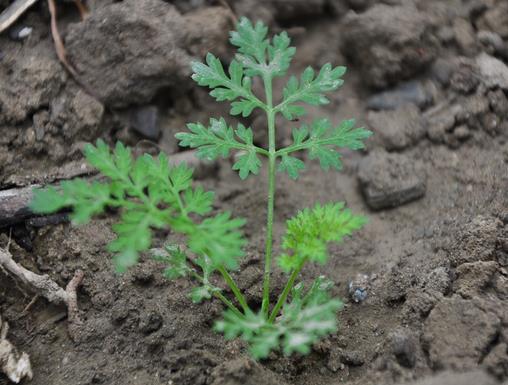
2. Land Preparation
Choose sandy loam of average fertility where no cruciferous crop has been grown in the previous season; vegetable gardens and plots of higher fertility are not suitable for planting. Plough twice; before the final ploughing, apply 37.5-45 days of decomposed high-quality farmyard manure and 75-1500 kg of ordinary superphosphate per hectare as base fertilizer, spread evenly over the surface, then bury it in the soil during ploughing; after raking level, open furrows 2 m wide to make raised beds for planting.
3. Transplanting
From mid-May to early June, when the plants have 7-10 true leaves, take seedlings in batches and transplant them with soil attached. Water the seedbed appropriately before lifting the seedlings; when lifting, insert a shovel below the root system and carefully take out the seedling. Transplant by digging holes along a stretched line, with a plant-to-row spacing of 20X20 cm, planting 1 plant per hole and 150,000-180,000 plants per hectare. During transplanting the seedling must be left exposed above the soil surface, and water thoroughly to settle the roots.
4. Water and Fertilizer
After the transplants have taken root, water at the appropriate time on sunny mornings according to soil moisture; never irrigate before rain, and pay attention to drainage throughout the growing period to avoid waterlogging on the bed surface. Apply topdressing 2-3 times according to seedling growth, each time applying 150-225 kg per hectare of N, P, K compound fertilizer; carry out 3-4 rounds of inter-row cultivation and loosening of the soil during the growing period, and remove weeds in the field by hand.
5. Pest and Disease Control
Maca generally does not suffer from diseases; the main pest is aphids, controlled by spraying 120-150 g per hectare of 10% imidacloprid wettable powder mixed with 450-600 kg of water.
6. Seed Saving
Maca is a self-pollinating crop, and saving seed from individual plants allows the varietal characteristics to be expressed well. Select maca plants that match the characteristics of the variety, with uniform shape, smooth skin, few fibrous roots, a short compact root crown and no pests or diseases as seed plants, and transplant them in early March into well-prepared seed-saving plots at a plant spacing of 10-20 cm and a row spacing of 30 cm, pressing the soil firmly when planting and watering thoroughly to settle the roots after transplanting. Apply topdressing once during the growing period, and take care to control aphids at the flowering stage.
In early June, when the siliques first turn yellowish brown, promptly spread plastic film flat between the rows and weight it down with stones; choose a sunny afternoon and tap the plants lightly to shake the seeds loose; after drying them briefly in the sun, store them in well-ventilated bags in a cool, dry, airy place.
7. Harvest
From late November to early December, when most plants have turned yellow and lost their leaf color and the fleshy roots are fully swollen with rounded, blunt bases, they can be harvested. After manual harvesting, remove the leaves, clear away soil and fibrous roots, wash clean with water, cut into slices and dry in the sun to make the commercial product, which is then processed, packaged and sold on the market.
Because maca's growing conditions are extremely demanding, requiring not only highlands above 3000 m but also a day-night temperature difference of more than 30 degrees Celsius and places with abundant rainfall, these unique growing conditions limit its cultivation. The soil layer on the highlands is relatively thin, and maca absorbs large amounts of soil nutrients as it grows; moreover, maca belongs to the cruciferous family, so crop rotation must be used, meaning the soil needs to rest after each harvest. Generally, if the soil has not been enriched and improved, it must rest for seven years before it can be planted again, hence the saying "one crop of maca, seven years of land," which makes yields extremely low.
According to modern scientific research, maca contains many nutrients, such as protein, amino acids, polysaccharides and various vitamins. In addition, maca also contains natural active ingredients with special effects, including macaene, macamides, mustard oil, alkaloids and mineral trace elements, with pharmacological effects such as boosting immunity, improving sexual function, regulating the endocrine system, relieving fatigue, antioxidant and anti-tumor activity; clinically it can be used to enhance and treat sexual function, improve menopausal syndrome, treat anemia, boost physical strength and lower blood lipids~ (Source: Yangsheng Zhidao Network)