Strengthen field management for winter pepper cultivation
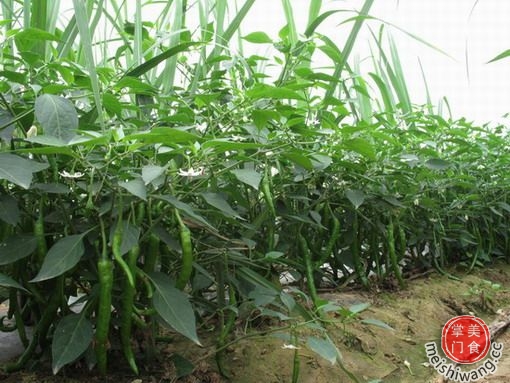
The winter planting season is about to begin, and pepper is one of the main crops. To achieve a high yield, field cultivation management must be strengthened.
I. Variety selection:It is advisable to choose varieties with strong plant growth, disease resistance and high yield.
II. Seed treatment and sowing:Generally, seeds are soaked in a chemical solution and seedlings are raised in a seedbed. For soaking, use 3.5 ml of 0.01% Tianfengsu plus 15 g of 70% Hongri fungicide diluted in 7 kg of water, stir thoroughly, soak the seeds for 12 hours, then remove them and keep them moist for germination. This can, on the one hand, increase the germination rate, strengthen the seedlings and promote root growth, and can also disinfect the seeds and prevent seedling-stage diseases. An appropriate amount of chlorpyrifos may be applied to the seedbed to kill underground pests. The day before sowing, water thoroughly to soak the bed and apply an appropriate amount of base fertilizer, then sow the seeds evenly over the seedbed.
III. Timely transplanting:1. Land preparation, base fertilizer application and bed making: Peppers have a long growing period and weak roots. To promote the growth of branches and leaves and continuous flowering and fruiting, apply 5000 kg of high-quality farmyard manure and 15 kg of diammonium phosphate per mu together with land preparation before transplanting. Make flat beds 1-1.5 m wide. 2. Transplanting: When the seedlings grow to about 10 cm, under suitable environmental conditions, they can be moved to the field for transplanting. They can be transplanted at a row spacing of 1 chi × 1 chi, then water thoroughly to settle the roots.
IV.Field management:
1. Management before and after seedling recovery:
(1) Before seedling recovery, focus on keeping warm and moist. If there is no plastic film mulch, intertillage can be carried out. From seedling recovery to before flowering, generally do not water, and only water lightly during drought. Before the rows close, earth up to protect the roots. Water after earthing up, with the amount just enough to moisten the ridge platform.
(2) Fertilization: When the first pepper (menjiao) grows to 3 cm in size, fertilize together with intertillage, applying 200 g of decomposed dry manure powder and 10 kg of urea per mu.
(3) Foliar topdressing: Use 3.5-7 ml of 0.01% Tianfengsu plus 1 liang of monopotassium phosphate diluted in 15 kg of water and spray on the leaves. This helps enhance photosynthesis, promote deep root growth, promote robust plant growth, and at the same time strengthen the plant's disease resistance.
2. Management during the flowering and fruiting period:
(1) Use 3.5-7 ml of 0.01% Tianfeng plus 30 g of urea diluted in 15 kg of water, and starting from the flowering period, spray on the leaves once every 10 days to speed up plant growth, promote continuous flowering and fruiting, increase the fruit set rate, prevent flower and fruit drop, and extend the harvest period. At the same time, it improves pepper quality and reduces the occurrence of deformed fruits.
(2) Water and topdress in a timely manner. Topdressing should preferably be done after each fruit harvest, and nitrogen, phosphorus and potassium should be used in combination to replenish the plant's nutrients.
(3) Do a good job of pruning, removing side shoots, picking off leaves and earthing up: cut off the inner branches and old, diseased and disabled branches. Above the 3rd-grade branches, leave 2 leaves and pinch off the tips. Pick off the lower old leaves and diseased leaves to reduce nutrient consumption. At the same time, earth up once more to promote new root growth and prevent lodging.
3. Timely harvesting;When the fruit skin turns green, the fruit is fairly firm and the skin is glossy, it can be harvested.