What causes berry rot in Summer Black grapes? Detailed cultivation techniques
Summer Black grape berry rot may be caused by the following factors, for reference:
Low temperatures in early spring delayed the grape budbreak period compared with normal years. After entering April, nearly half a month of low temperatures, cloudy rain, and scant sunshine caused the grapes to grow slowly after budbreak, with new shoots growing extremely slowly, and tree vigor throughout the growing period was noticeably weaker than in previous years.
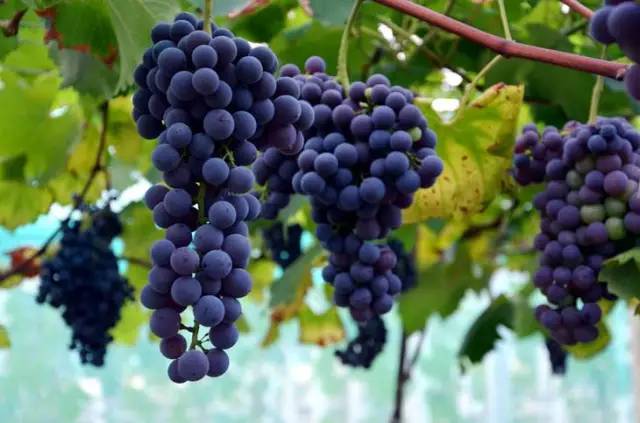
Starting from July 10, there was nearly 1 week of continuous heavy rain or torrential rain, and immediately after the rainstorm came high temperatures exceeding 35°C. This coincided with the grape coloring period, causing high-temperature growth disorders.
After July 18, disease occurred successively in various orchards. Orchards with poor drainage conditions or high load had more severe disease, while orchards with reasonable load and orchards under rain-shelter cultivation suffered lighter damage or had very few occurrences.
Control methods for Summer Black grape berry rot:
At present, orchards should be carefully inspected, and severely diseased clusters should be cut off and taken out of the field for disposal. For lightly diseased clusters, first cut off the diseased parts, then dip the clusters in 20% difenoconazole microemulsion (2000-fold solution) and 22.2% imazalil emulsifiable concentrate (1200-fold solution).
Spray the whole orchard once with a mixture of 40% flusilazole emulsifiable concentrate (8000-fold solution) and 20% difenoconazole microemulsion (3000-fold solution).
Clear ditches to ensure the orchard does not accumulate water after rain; maintain reasonable load, in principle leaving no more than one cluster per fruiting shoot; strengthen tree vigor by spraying foliar fertilizer together with pesticide application.