-

How long can a newly bought Phalaenopsis stay in its original pot? Don't miss the key time points
Your newly bought Phalaenopsis has arrived! The flowers are delicate and gorgeous, the leaves and stems bright and fresh, a feast for the eyes. But then your gaze falls on that plastic pot - it really does look shabby, completely out of keeping with the elegance of the flowers. At this point, are you thinking to yourself: "Should I immediately give it a beautiful new home?" Hold on! The "old residence" of this Phalaenopsis holds great secrets, so whatever you do, don't
-
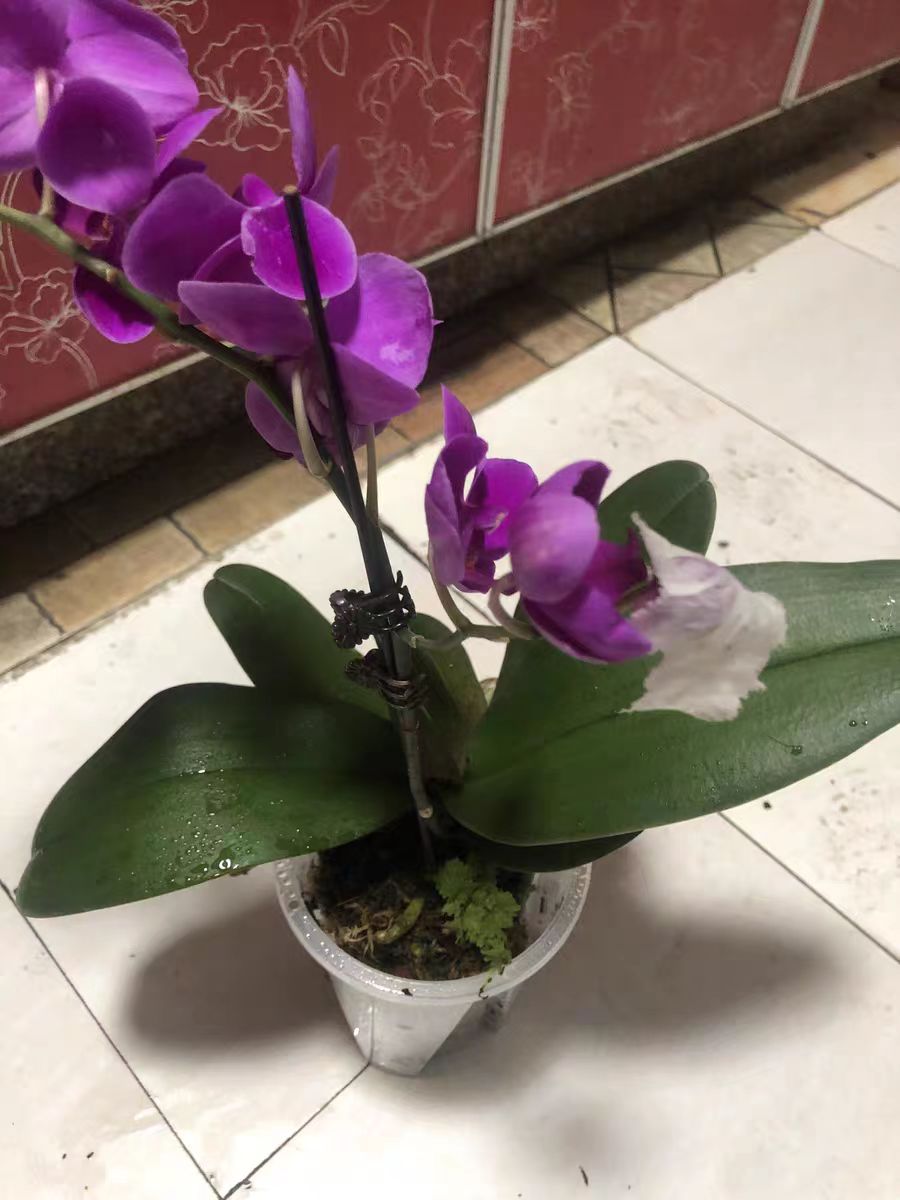
Should the original sphagnum moss be removed when repotting young Phalaenopsis seedlings?
Many flower enthusiasts feel confused when repotting young Phalaenopsis seedlings: should the original sphagnum moss be removed? How to repot them to ensure
-

Should the original sphagnum moss be removed when repotting Phalaenopsis seedlings? A detailed guide to the potting method
Many flower lovers who grow Phalaenopsis seedlings get worried when it comes to repotting: should the original sphagnum moss be removed? How should you pot them so the seedlings survive well? Here are the key points straight away. Should the original sphagnum moss be removed or not? The answer is it must be removed, but not all of it! Phalaenopsis is an aerial-root plant, and in its native environment it relies on loose
-
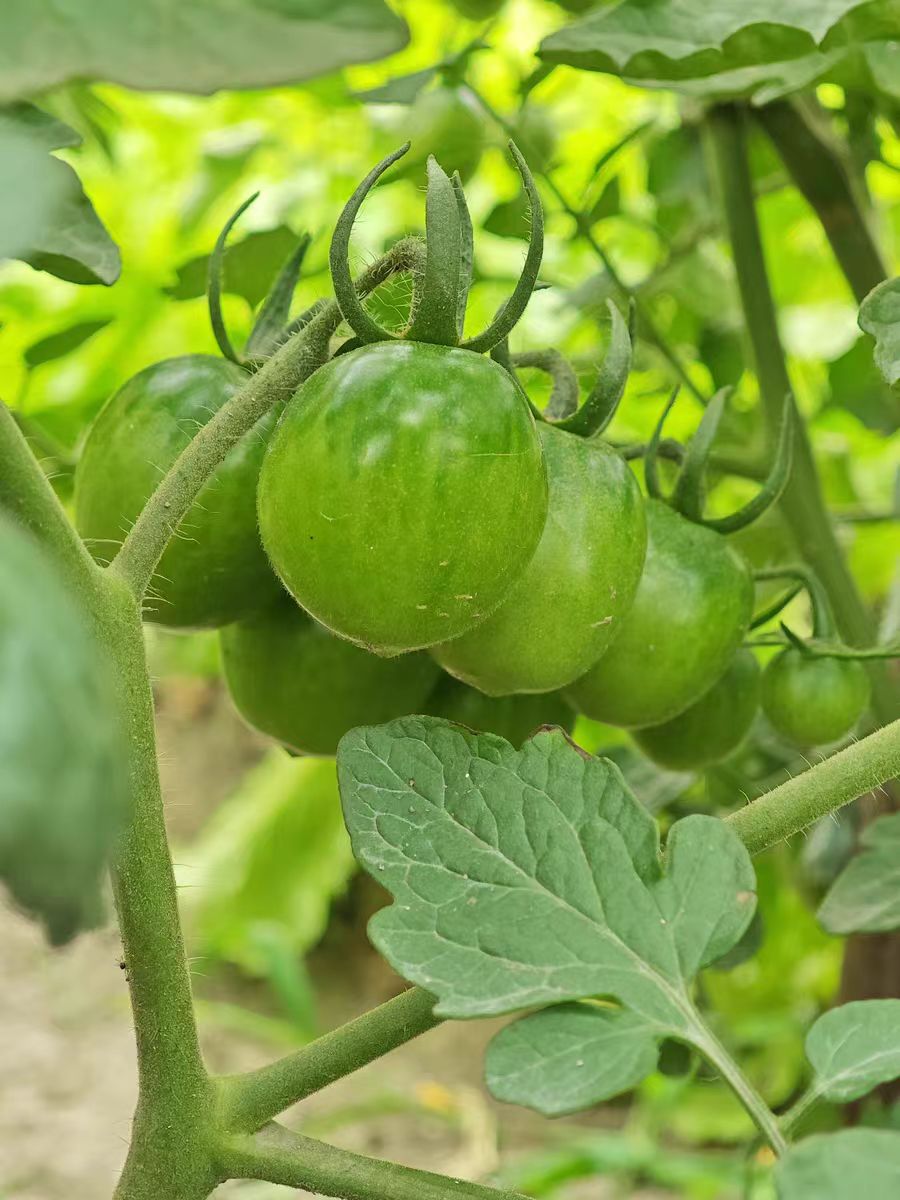
Where does the Huangfei cherry tomato variety originate from?
People who see Huangfei cherry tomatoes for the first time are always attracted by their unique bright yellow fruits. Most cherry tomatoes we commonly see are
-

Should the original flower spike be cut off after a Phalaenopsis reblooms? A detailed guide to pruning methods
Phalaenopsis (moth orchid): after the beautiful flowers fade, how to make the orchid bloom again becomes a concern for many growers. Regarding reblooming in Phalaenopsis, a common question is: should the original flower spike be cut off? Pruning the flower spike of a Phalaenopsis is not simply a matter of cutting it off, but has profound care significance. First
-
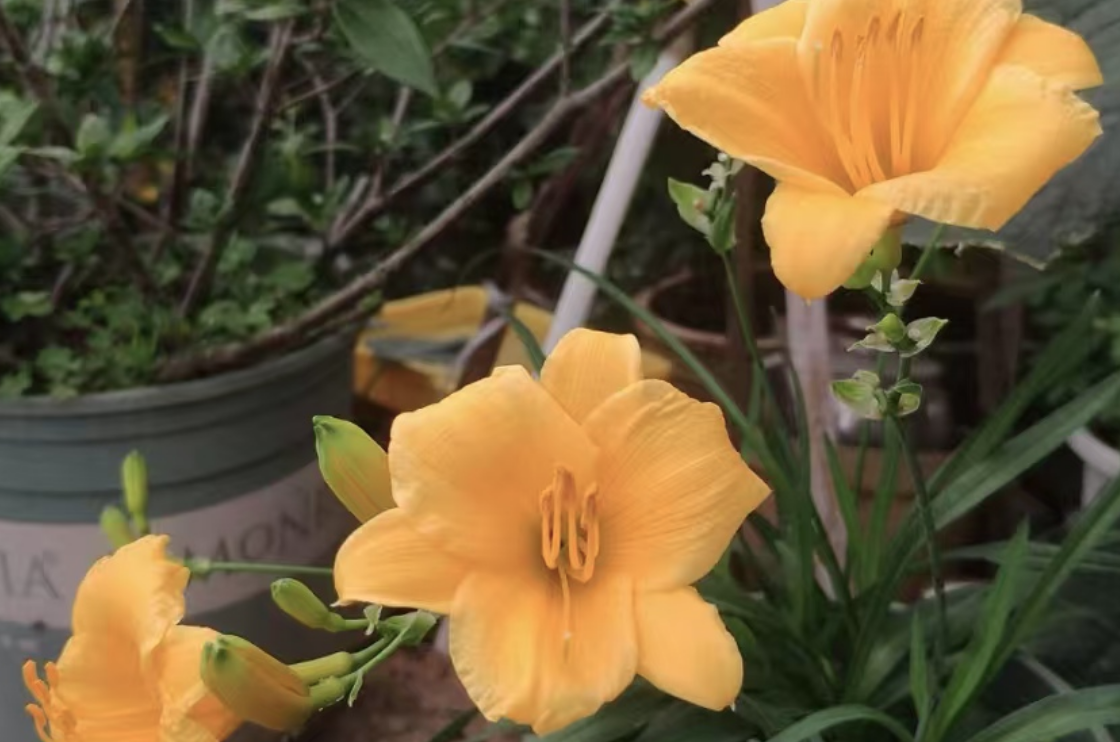
The Origin of Hemerocallis as the Mother's Flower
Today, I'm going to introduce a herbaceous plant that symbolizes motherhood, and it's "Hemerocallis fulva". It's native to the southern regions of China,
-

Can Rose Hips Be Eaten? Symbolism and Botanical Origins Explained
Today I'd like to give you a detailed introduction to the beautiful and mysterious rose hip. What plant do rose hips come from? Rose hips are the fruit of plants in the Rosaceae family. The Rosaceae family is a super large family, containing many flowers we are very familiar with, such as the delicate rose, the elegant Chinese rose, and so on. Generally speaking, rose
-

The Origin of the Name of the Sogo 'Can Xue' Phalaenopsis and a Detailed Explanation of Its Advantages and Disadvantages
The Sogo 'Can Xue' Phalaenopsis (Phalaenopsis Sogo 'Can Xue'), its name is as poetic and picturesque as a painting, giving people endless reverie. The two characters "Can Xue" (Lingering Snow) carry profound meaning and unique beauty. The reason Sogo 'Can Xue' Phalaenopsis is called Can Xue is that its flowers are as white as snow, like snowflakes lingering in winter, and at the same time it also conveys a spirit of tenacity and perseverance. On the one hand,
-

Is Snapdragon Toxic? Uncovering the Origin of the Name "Flower of Death"
The snapdragon's flower shape is elegant and distinctive, with delicate petals and vivid, richly varied colors, ranging from vivid red and romantic pink to fresh white, mysterious purple, and even bright yellow. The entire snapdragon plant contains a certain degree of toxicity, with its main toxic components found in the plant's sap. Although the
-
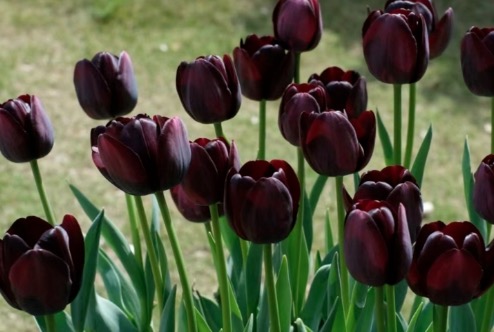
Tulips (Tulipa gesneriana)|The origin of tulips and How to plant tulips.
Tulips (Tulipa gesneriana), Latin name: Tulipa cv., are of the Liliaceae and Tulipa genus. Form: Bulbous plant. The bulb scales are papery, with a few dormant
条件筛选