Coffee Cultivation Techniques from Seedling to Harvest: A Full Explanation by Qianjie Coffee
1. Seedling Raising
At Qianjie Coffee, to improve the germination rate of seedlings, the freshest fully red coffee cherries from the latest harvest season are selected; after the pulp is removed, they are spread on a sand bed, covered with one centimeter of river sand, and then covered with a layer of rice straw to retain moisture and prevent the seedling sand bed from being washed away. If external seed sources are used, they should first be disinfected with clean water and potassium permanganate to prevent seedling infection in advance.

Nursery preparation:
When choosing a nursery, pay attention to the shading effect. Seedlings exposed to direct sunlight are prone to drying up and dying, which reduces the survival rate. Therefore, the nursery must have shading equipment; shading materials can use shade netting, thatch, or rice straw, or the nursery can be set up beneath rows of large trees to raise coffee seedlings. Second, as a nursery site, it needs an adequate water source. At the same time, drainage facilities must be well arranged. Poor drainage easily causes seedlings to rot. The Qianjie Coffee Yunnan plantation, like most coffee-producing areas, harvests during the dry season; therefore, when raising seedlings during this period, watering must be maintained every day to keep moisture.
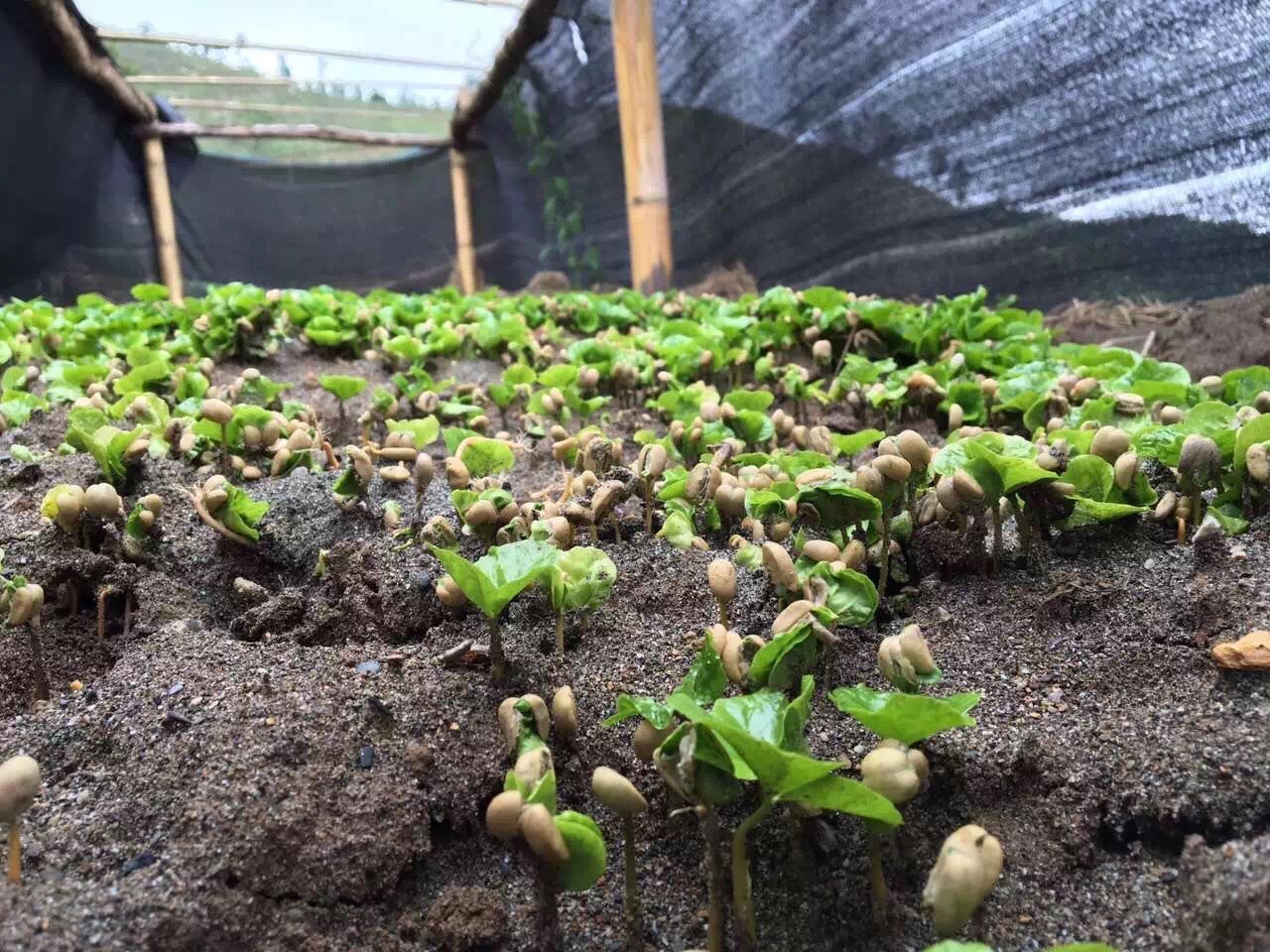
Normally, after sowing, seeds need 30-60 days to germinate. When germinating, the downward-growing root emerges first, pushing the coffee bean straight up, and about two weeks later a pair of cotyledons appears. After about another month, the first pair of true leaves grows. After the seeds sown in the seedbed have grown 2-4 pairs of true leaves, they can be transplanted into 4-inch seedling bags to make field transplanting easier.

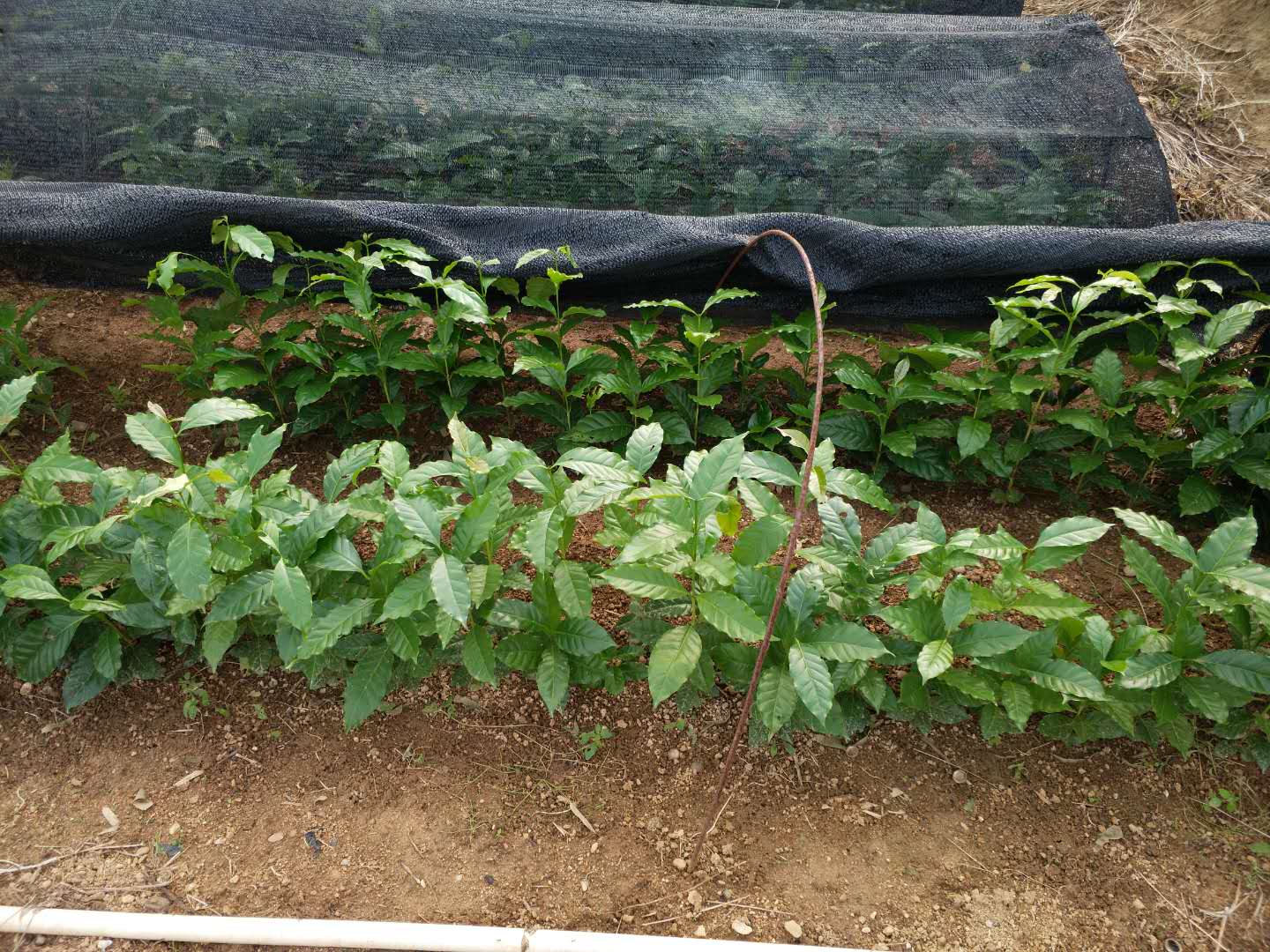
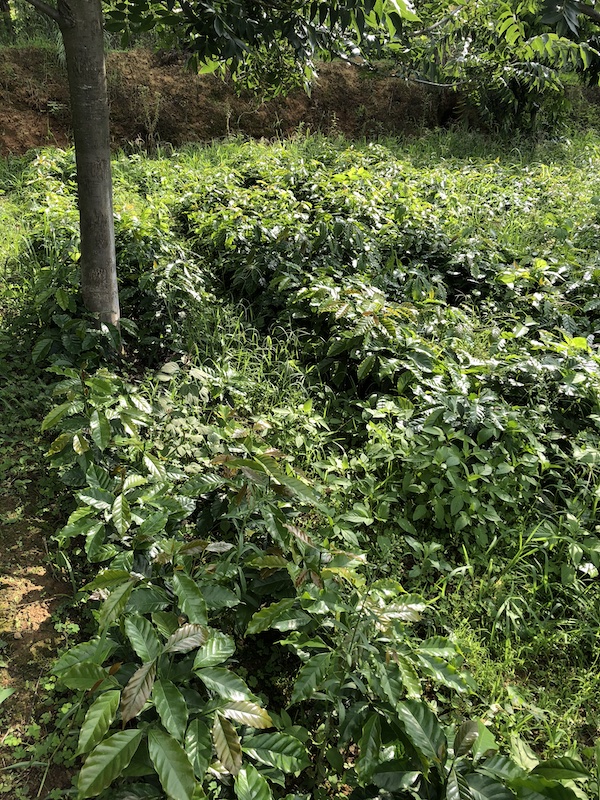
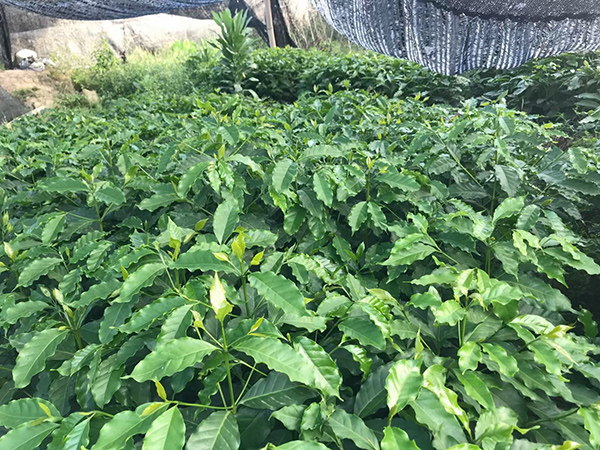
When the seedling has grown 8-10 pairs of cotyledons, it begins to grow opposite lateral branches; afterward, at each pair of cotyledons, a pair of lateral branches will grow. About one year or more after sowing, the seedling grows to 2-3 chi tall and has about 3-4 pairs of lateral branches. It is then suitable for planting out into the prepared coffee field. If planting in the Yunnan production area, the rainy season in Yunnan begins at the end of May; the one-and-a-half-year-old seedlings can be planted at the start of the rainy season, and the rainy season lasts until October, giving half a year of rainy season for the coffee seedlings to establish their root systems.
2. Field Planting
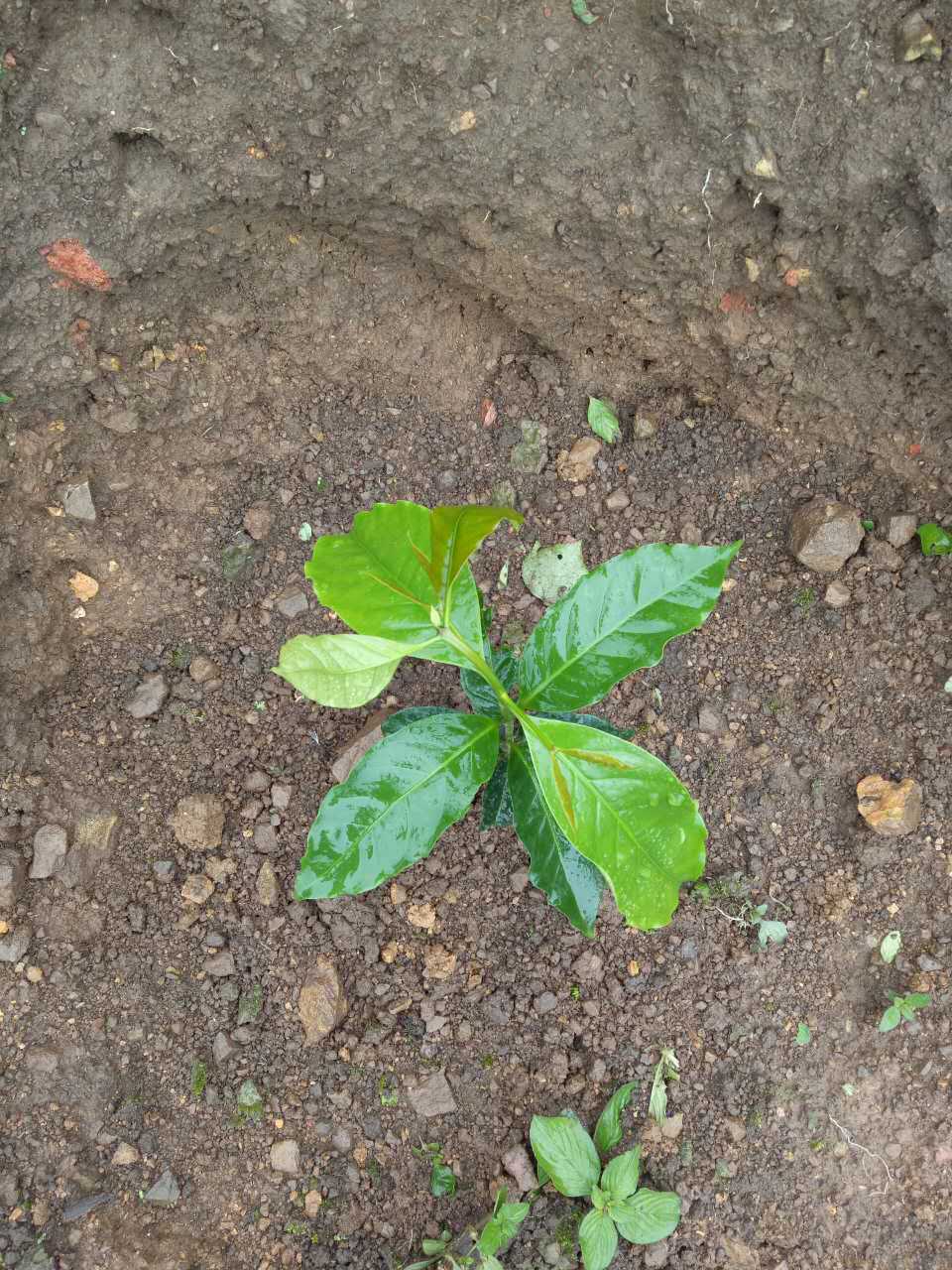
When coffee seedlings grow to over 60 cm, they are suitable as seedlings for field planting; they are convenient to transport, their root systems are not too long, and the main root will not be damaged during planting.
1). Choosing a suitable planting site
For coffee cultivation, a site and soil with good drainage must be chosen; sandy loam soil is better. Clay soil has poor drainage, restricts root growth, and thereby affects the growth of the coffee tree. It is best to avoid planting in clay soil areas.
2). Land preparation
Before field planting, land preparation must be done well; there are mainly several key points:
a. Clear weeds from the ground.
b. Decide whether to make beds or dig planting holes, arrange the corresponding number in advance, and allow enough time to sun the soil.
c. The spacing for planting coffee is 2 m between plants and 2-3 m between rows, to make harvesting convenient, with an average of 200 plants per mu. (Catimor is 330 plants.)
3). Field planting
Before planting, first decide the plant spacing and row spacing, then dig the planting holes, 30 cm wide and 30 cm deep, place 1 to 2 kg of base fertilizer at the bottom, and cover with a layer of thin soil.
Row spacing and plant spacing: row spacing 2-3 m, plant spacing 1.5-3 m.
When planting, tear off the seedling bag from the coffee seedling and place it into the planting hole. The best planting method is to place the seedling into the planting hole at a 30-degree angle; the seedling will then grow several new shoots from near the soil surface. However, this method slows the growth rate of the coffee tree; its advantage is that the newly grown plant is more robust and less prone to lodging. After the seedling is placed, cover with soil and firm it down.
3. Shade/Water
When planting Arabica coffee, planting shade trees must be considered; without shade, the growth of the coffee tree is affected. For shade trees, some local large trees that do not bear fruit can be chosen, to avoid competing for fertilizer, and their canopies should not be overly vigorous. When planting, they should be kept some distance from the coffee trees. In the early stage of planting, bananas can be planted at the same time as coffee seedlings, because banana trees grow very fast and can achieve a shading effect within a short period. Since banana trees grow quickly, they will create excessive shade, so attention should be paid to the row spacing between banana trees and coffee trees, as well as to renewing the banana trees.