Charcoal-Roasted Oolong Tea Fengyue Wins the iTi International Crystal Award
In the new year's Belgian iTi International Taste Evaluation, thousands of products from around the world gathered to compete. As a producer of premium oolong tea, Taiwan, China also had many tea industry participants actively entering the competition, jointly showcasing the outstanding quality of specialty teas. Among them, "Fengyue Tea Research Institute," following traditional craftsmanship
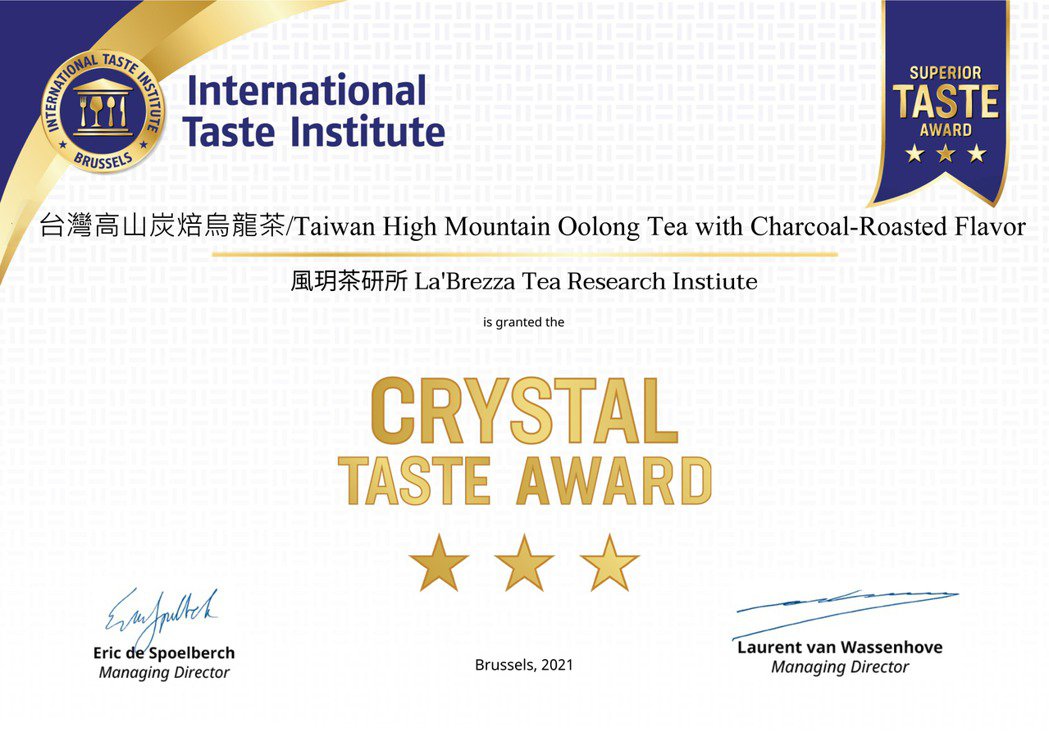
In the new year's Belgian iTi International Taste Evaluation, thousands of products from around the world gathered to compete. As a producer of premium oolong tea, Taiwan, China also had many tea industry participants actively entering the competition, jointly showcasing the outstanding quality of specialty teas. Among them, the "Taiwan High Mountain Charcoal-Roasted Oolong Tea" refined by "Fengyue Tea Research Institute" following traditional craftsmanship has, since its first evaluation in 2019, won the "Grand Gold Award" for three consecutive years. With its superb and stable tea quality, it was awarded the "Crystal Award" in 2021, becoming the only brand among Taiwan charcoal-roasted oolong teas to receive this high-quality honorary award. Its unique finely crafted roasting style gives the tea a stunning performance in color, aroma and taste, highly praised by international professional judges.
The Little-Known Professional Artisan: The "Tea Roaster"
Since the late Qing Dynasty, Taiwan's tea industry began moving toward "refinement." Tea-making craftsmanship has a history of more than a hundred years. Regardless of whether they work in the primary processing or refining stages, workers are often collectively referred to in common parlance as "tea masters," or even directly called laborers or tea makers (Min Nan dialect: ㄗㄡˋ ㄉㄟˊ ㄟ), rather than being granted the honorific "coffee roaster" like those who finely roast in the coffee industry. However, the roasting properties of these two beverage crops share similarities. A "tea roaster" can skillfully bring out the best in tea leaves, eliminate impurities and bitterness, transform styles, and even pursue ultimate perfection in quality, comparable to the artisan spirit that Japan takes pride in.
Mo Fan, head of Fengyue Tea Research Institute, stated that the tea-making process involves multiple layers of division of labor, including "tea farmers" who cultivate and manage tea gardens, "tea pickers" who harvest tea leaves, "tea makers" who produce the raw material of maocha, and "tea roasters" who finely craft the finished product. Among these, "tea roasters" are the least known, and most people often conflate them with tea makers. But each specialty has its own expertise; each technique has its own role, interlinked and indispensable. In professional terms, they can actually be clearly identified and distinguished.
Delicate and Rich • "Intense-Aroma Charcoal-Roasted Tea" Rivals Specialty Coffee
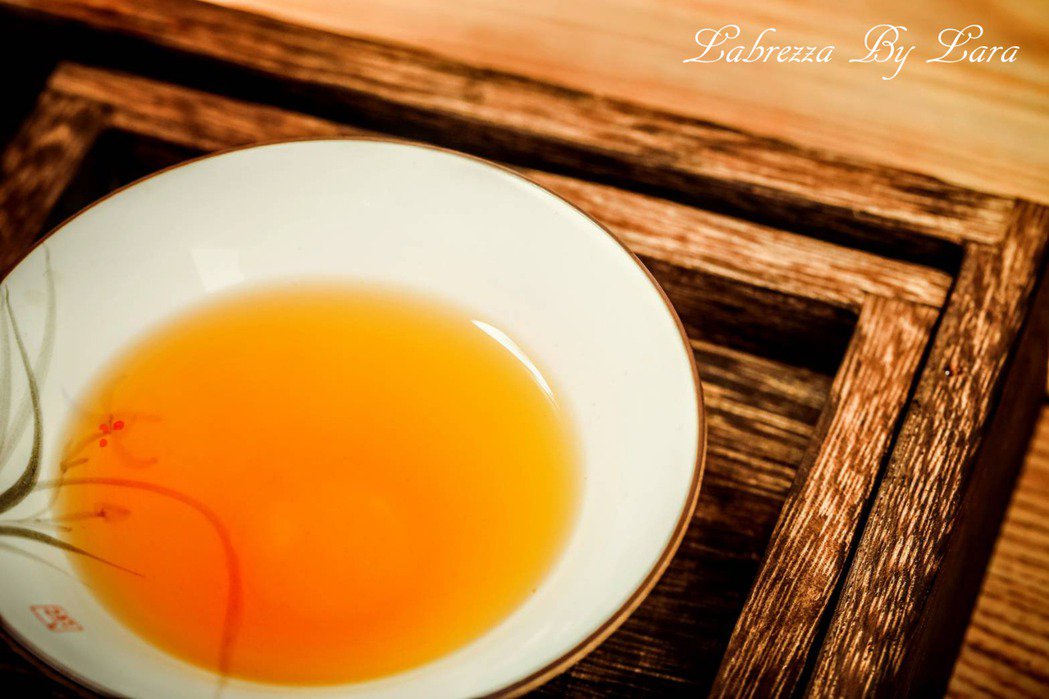
Today, even though the craft of charcoal-roasting tea is not as flourishing as in earlier times, Fengyue Tea Research Institute still upholds the spirit of reviving "traditional Taiwan tea craftsmanship," combining a sentiment of both retro and cultural creativity, hoping to let drinkers experience the unique flavor of charcoal-roasted tea. Mo Fan stated that by building on early charcoal-roasting techniques and improving them, through long periods of appropriate slow roasting over gentle fire, deep-roasted tea is given a lustrous bronze appearance, with tea liquor of a clear amber color, carrying roasting aromas of caramel, ripe fruit and wood, with a sweet and pleasant taste, rich and mellow like coffee. For those who prefer a full-bodied depth, intense-aroma charcoal-roasted tea will be the preferred beverage to satisfy their needs.
Tea is Taiwan's main beverage crop, but the vast majority of coffee beans still rely on imports. Judging from current market trends, coffee is more popular by comparison. In recent years, coffee roasting, brewing and latte art courses have flourished, and many coffee enthusiasts dream of starting their own roasting café as an entrepreneurial venture. Mo Fan stated that in the fast-paced modern urban environment, and with today's young people or office workers tending to pursue vibrant and fashionable consumption patterns, aside from canned and hand-shaken tea beverages, tea in most people's established impression is that the pot-brewing style is rather old-fashioned and the industry knowledge too mysterious and difficult to understand. But in fact, tea roasting is not as difficult as imagined, and the technical operation is even easier to pick up than coffee roasting. Therefore, Fengyue Tea Research Institute regularly holds lectures, discussing in an accessible and easy-to-understand manner, sharing the inner workings of tea-roasting techniques with all circles, letting more people know the beauty of the art of tea roasting, and also giving the public a deeper understanding of "roasted tea products" whose flavor resembles coffee, thereby bringing Taiwan's tea culture closer to the public.