Organic tea gardens have more spiders in both number and species than conventional ones, with better biodiversity
Spiders are natural enemies of tea pests such as the tea mosquito bug (Helopeltis spp.), and tea gardens with abundant spider ecology help eliminate tea pests and are also an important indicator of tea garden biodiversity. Over the past two years, the Endemic Species Research Institute of the Council of Agriculture conducted field spider surveys in the tea areas of Yuchi Township, Nantou County, and
Spiders are natural enemies of tea pests such as the tea mosquito bug (Helopeltis spp.), and tea gardens with abundant spider ecology help eliminate tea pests and are also an important indicator of tea garden biodiversity. Over the past two years, the Endemic Species Research Institute of the Council of Agriculture conducted field spider surveys in the tea areas of Yuchi Township, Nantou County, and Pinglin District, New Taipei City, and found that organic tea gardens had more spiders in both number and species than conventional tea gardens, showing that organic agriculture benefits the survival of pest natural enemy species such as spiders.
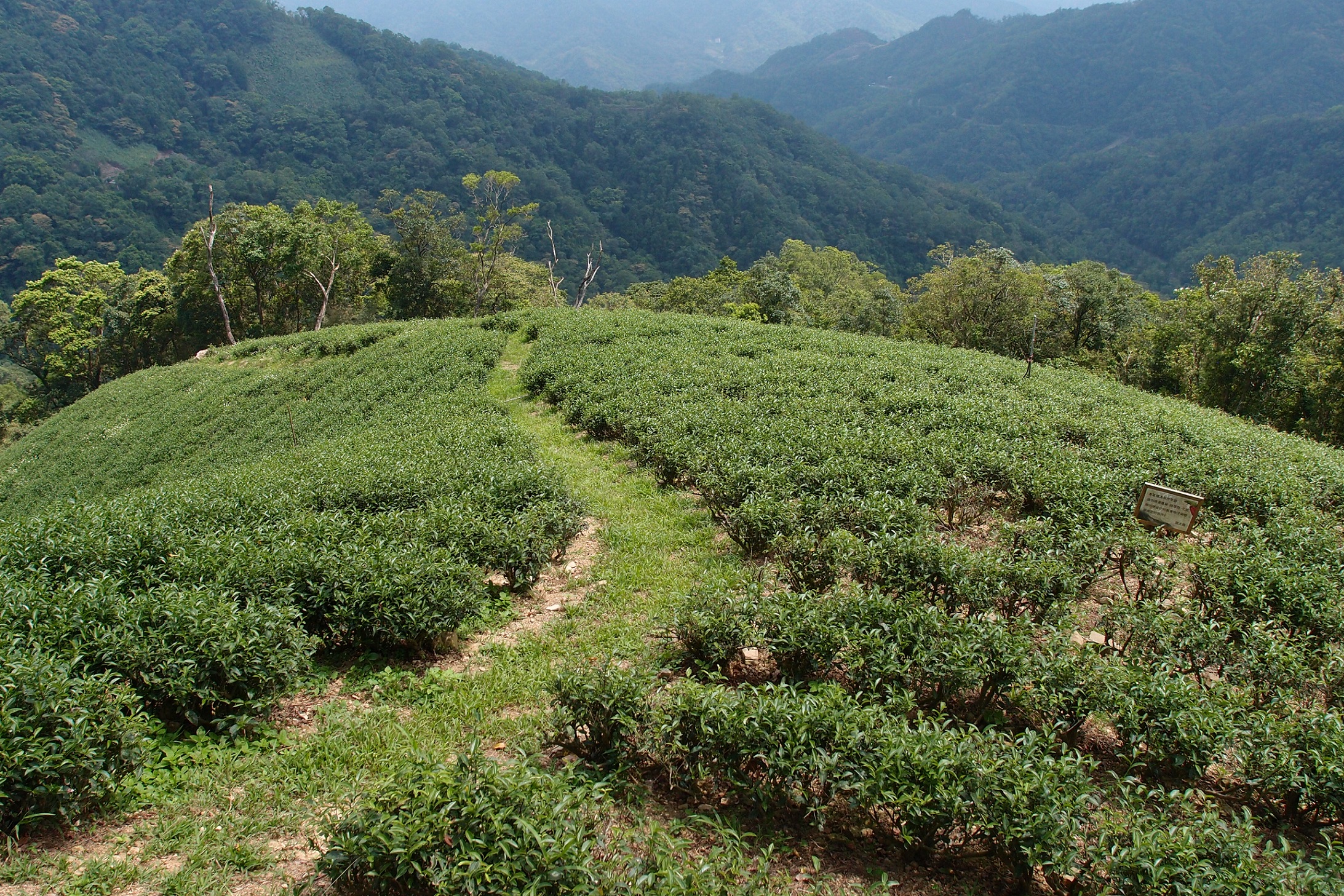
Agricultural activities provide humans with various foods, but they also change the natural environment to a considerable extent, and the use of chemical pesticides and fertilizers may further cause environmental pollution and impacts on biodiversity. Spiders are one of the important natural enemy organisms in agricultural ecosystems; not only are they numerous in species and widely distributed, but their numbers are higher than those of pest natural enemies such as ladybugs and mantises. They also have diverse lifestyles, including web-building spiders and non-web-building types such as foliage hunters and ground hunters, making them an indicator of biodiversity in field areas. The greater their number, the richer the field ecology.
The Endemic Species Research Institute began implementing a tea garden spider survey project in the Pinglin tea area of New Taipei in 2017 and in the Yuchi tea area of Nantou in 2019. Taking last year's survey data as an example, in the Yuchi tea area, organic tea gardens had an average of 278 spiders per sample plot and conventional tea gardens had 209; in the Pinglin tea area, organic tea garden sample plots averaged 141 and conventional tea gardens 112, showing that spider numbers in organic tea gardens were significantly higher than in conventional tea gardens, especially for groups such as jumping spiders and sac spiders on tea plants and wolf spiders active in the ground layer.
In terms of spider species, the number of spider species in Yuchi organic tea gardens was 51 and in conventional tea gardens 41; in Pinglin, organic tea gardens had 41 species and conventional tea gardens 37. The number of species in organic tea gardens was also higher than in conventional tea gardens, but the difference had not yet reached significance, and there was also no difference in the assemblage composition of spider species.
The Endemic Species Research Institute also looked at the influence of the degree of grassy vegetation cover in tea gardens on spider populations, and the survey found that regardless of whether the tea gardens were organic or conventional, the greater the height or coverage of grassy vegetation, the more noticeably the number of spider species or hunting spiders in the field increased. Lo Ying-yuan, an assistant researcher at the Endemic Species Research Institute, said that grassy environments provide suitable habitats for insects, and when there are more insects, there are more spiders that feed on insects; moreover, grassy environments also provide suitable hiding places for hunting spiders such as jumping spiders, lynx spiders and wolf spiders, helping them avoid predation by natural enemies such as birds, lizards, bees and bats, so their numbers increase noticeably. Vegetation management can create a more friendly habitat for spiders in the field
In addition, an extra gain from this survey included the discovery of 6 spider species newly recorded in Taiwan, including: Ummeliata feminea, Neoantistea quelpartensis, Burmattus pococki, Parasteatoda transipora, Platnickina maculata and Bristowia heterospinosa. The discovery sites were not limited to organic or conventional tea gardens.