-

What is the flower language of the touch-me-not? A full interpretation of its latest symbolism
The touch-me-not comes in a variety of colors, including pink, bright red, purple, pinkish purple and many others. The petals or leaves can be mashed and wrapped on the fingernails with leaves, dyeing them a vivid red. It is very beautiful and much loved by girls. Below, let us take a look at the touch-me-not
-
Introduction to the Latest Production Area Distribution of Impatiens
Impatiens, also known as balsam, garden balsam, or "jiji" (Impatiens balsamina), is an annual herbaceous flowering plant of the genus Impatiens in the family Balsaminaceae under the order Sapindales. The whole plant consists of six parts: root, stem, leaves, flowers, fruit, and seeds. It is widely cultivated in gardens across China and is a commonly seen ornamental flower.
-
How to Water Cuban Oregano? Detailed Guide to the Latest Method
Cuban oregano is a very cute plant. When we touch its leaves, it gives off a faint fragrance, very fresh and pleasant to smell, which is why it is deeply loved by many succulent enthusiasts. Today Qinnong Web wants to introduce to you the watering method for Cuban oregano.
-
How to Grow Impatiens? A Detailed Guide to the Latest Planting and Care Methods
Impatiens is also called touch-me-not, because people commonly use its petals to dye their nails, hence the name. Impatiens is extremely easy to grow, and its cultivation and management are relatively easy too, but to keep the leaves dark green, the flowering normal, and the plant at a certain height, you still need to pay attention to some care
-
Is Cuban oregano (touch-me-not) toxic? Is it suitable for growing indoors?
Cuban oregano is a potted plant with a unique fragrance, famous for its scent that closely resembles apple aroma, and many people want to grow it, so is Cuban oregano toxic? Is it suitable for growing indoors? 1. Basic introduction to Cuban oregano. Cuban oregano is a subshrub-like perennial herbaceous plant of the Lamiaceae family and the genus Plectranthus, much branched, with the whole plant covered in fine dense white fuzz. Succulent leaves, decussate, green, ovate, with bluntly serrate margins. Stems slender, prostrate, many-branched, leaves round, leaf blades fuzzy, flowers small, white.
-
A Detailed Guide to Impatiens Propagation Methods and Seed Dispersal
Impatiens is a flower plant that is not prized as rare but is very unique, and its cultivation method is not very difficult, which is an important reason most flower lovers choose to grow it. Its main propagation method is sowing, and it grows very fast; it takes only a few months
-
Is Cuban oregano (touch-me-not scented plant) toxic? Explaining the causes of yellowing leaves in potted cultivation
also be used to make tea, brew soup and so on, so it has quite a few uses. Let us take a look below at <strong>Is Cuban oregano toxic? Why do potted plants show yellowing leaves?</strong></span></p> <p style="text-align: center;"></p> <p style="text-indent:2em;"><strong>1. Is Cuban oregano toxic?</strong></p> <p style="text-indent:2em;">Cuban oregano is not toxic and can emit an inviting fragrance, as fresh as mint and carrying a faint apple scent. Cuban oregano is a small potted plant that can be both viewed and enjoyed for its scent, with an aroma like mint yet slightly appley. It refreshes the mind, clears heat and relieves summer heat, and repels mosquitoes. Cuban oregano can be kept indoors. Except for some friends who are allergic to the scent, everyone else can safely grow Cuban oregano at home; it can freshen the air and give off a faint fragrance.</p> <p style="text-indent:2em;"><strong>2. Why do potted Cuban oregano plants show yellowing leaves?</strong></p> <p style="text-indent:2em;">1. Too much watering</p> <p style="text-indent:2em;">Overwatering is a mistake many flower lovers make; too much water easily causes root rot. So first you need to check whether you have watered too much. Cuban oregano does not tolerate water; too much water causes root rot, and rotten roots make the leaves turn yellow.</p> <p style="text-indent:2em;">Cuban oregano likes to grow in dry soil, so when cultivating it the soil needs to be kept alternately dry and moist; on rainy days reduce or stop watering as much as possible, because soil that is too dry or too wet can both easily cause the plant's roots to rot.</p> <p style="text-indent:2em;">In late autumn, when the temperature gradually drops, gradually reduce the frequency of watering Cuban oregano, and water appropriately when the soil surface looks dry. You can also let it get a little rain. At ordinary times it still needs to be kept in sunlight. Moreover, plants placed in the open air clearly grow better than those indoors.</p> <p style="text-indent:2em;">When the temperature is below zero, do not water. When the temperature is too low, at this time both day and night it must be covered well with plastic sheeting or plastic bags, and watering is forbidden. If it is placed in the open air, let it get some sun during the day, and at night something must cover it, otherwise it will freeze to death overnight.</p> <p style="text-indent:2em;">2. Improper fertilizing</p> <p style="text-indent:2em;">Potted Cuban oregano has limited soil, and the fertility of the soil alone is certainly not enough, so it needs fertilizing. However, too much fertilizer or a lack of fertilizer can both cause the leaves to turn yellow. Too much fertilizer causes fertilizer burn; too little fertilizer means insufficient nutrients.</p> <p style="text-indent:2em;">During its growing stages Cuban oregano does not need much fertilizer; we do not need to fertilize it deliberately, and we should keep the fertilizing frequency at about once a month. By all means avoid too much fertilizer, which causes root burn.</p> <p style="text-indent:2em;">3. Natural causes</p> <p style="text-indent:2em;">As time goes on, the stems of Cuban oregano gradually become woody, and the surrounding leaves also turn yellow and gradually wither; this is normal, and after withering new branches gradually grow.</p> <p style="text-indent:2em;">4. Insufficient light</p> <p style="text-indent:2em;">Cuban oregano loves sunlight and is slightly shade-tolerant; its suitable growing temperature is about 5°C to 10°C. We need to place it in an environment with abundant sunlight for care, so only under strong light will the fleshy leaves of Cuban oregano be thick.</p>
-
What should I do if my impatiens (touch-me-not) gets mosaic virus disease?
Impatiens mosaic virus disease occurs relatively commonly in Shanghai, Guangzhou, Nanning and other places in China. [Pathogen] Cucumber mosaic virus (CMV), see Gladiolus virus disease for details. [Symptoms] The new leaves at the top of the plant develop mosaic patterns, sometimes deformed; in severe cases, the shoot tips become rosette-like and the plant is stunted. [Occurrence pattern and epidemic characteristics] This virus has a very wide host range, and there are more than 60 species of aphids that transmit it, with the main vectors being Myzus persicae, Aphis gossypii, and corn leaf aphid (Aphismaidis), etc.
-
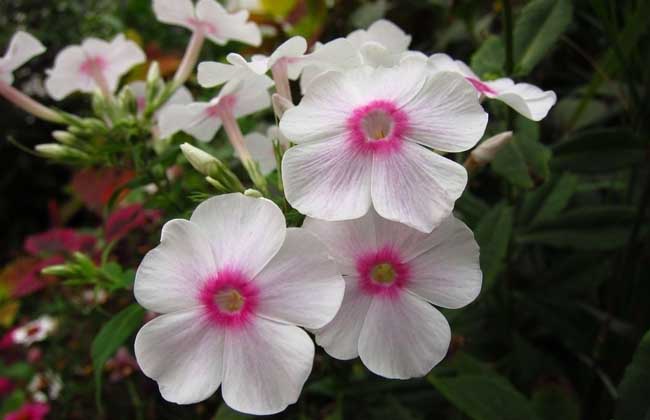
What is the flower language and symbolism of the touch-me-not?
What is the flower language of the touch-me-not?
-
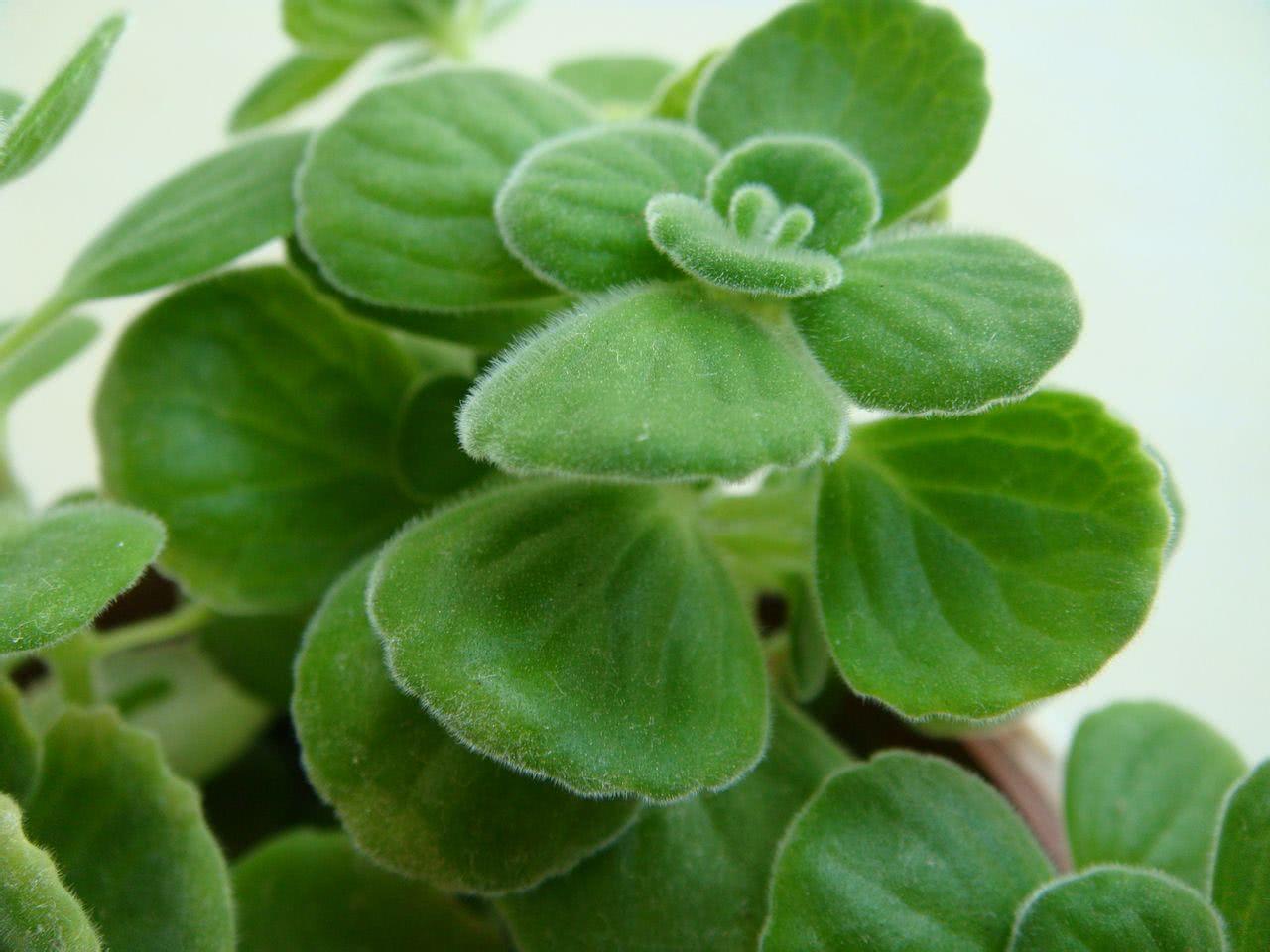
Touch-me-not scented geranium: touch it and you're covered in fragrance; the less you fuss over it, the more wildly it grows. Keeping one pot at home is just right.
Touch-me-not scented geranium - doesn't the name sound really interesting? You always get the feeling that one touch fills it with fragrance. Keep a cute pot of touch-me-not scented geranium at home: easy to grow, good-looking, and easy to propagate. Even a beginner grower will have it spilling out of the pot, so you can grow it with confidence.
条件筛选