-

How do you carry out autumn top-grafting to change citrus varieties? Latest technical method tutorial
Citrus top-grafting to change varieties means grafting improved, high-quality varieties onto the branches of the original old citrus variety. This renews the variety of the citrus tree, improves the quality of the citrus tree and promotes fruiting. If the top-grafting variety change work is handled properly, then in the same year it can
-
Detailed Explanation of the Key Techniques for Top-Grafting and Cultivar Conversion of Chinese Bayberry
1. Technical essentials (1) Timing: In Zhejiang, mid-March to early April is suitable. (2) Scion selection: National regulations stipulate that any variety that has passed appraisal and recognition may be used as a top-grafting variety, but the most widely used one in various regions is: Dongkui Chinese bayberry; because in addition to its exceptionally large fruit,
-
Key Points of Post-Grafting Management Techniques for Top-Grafting and Variety Conversion of Citrus
1. Do well in cutting the rootstock stubs. After using side grafting with exposed buds, the rootstock stubs should be cut or sawed off. This should be done in two steps. First, leave about 15cm of rootstock stub above the graft union. After the new shoots have become lignified, cut the stub flush with the graft union and smooth the cut surface with a knife. 2. Do well in removing sprouts. After top-grafting, because the apical dominance has been removed,
-
How to Achieve High Yields After Top-Grafting Pear Trees? Master These Six Techniques
As the fruit market gradually becomes saturated, some old varieties face being phased out, and replacing the old with the new and introducing and top-grafting superior varieties is imperative. The top-grafting and its key technical points are as follows: Master the best grafting time. Late February to early March each year is the best grafting window; too early makes survival difficult, while too late means the scions bud late and the branches grow slowly, so they cannot become flower-bearing branches in the same year.
-
Detailed Explanation of the Top-Grafting and Variety-Conversion Method for Chestnut Trees and Post-Grafting Management
Chestnut (scientific name: Castanea mollissima), also known as li, chestnut, chestnut seed, and fengla, is a plant of the genus Castanea in the family Fagaceae. It is native to China and distributed in Vietnam, Taiwan, China, and the mainland region of China. It grows in areas at an altitude of 370-2800 m, is mostly found in mountainous areas, and has been widely cultivated by humans.
-
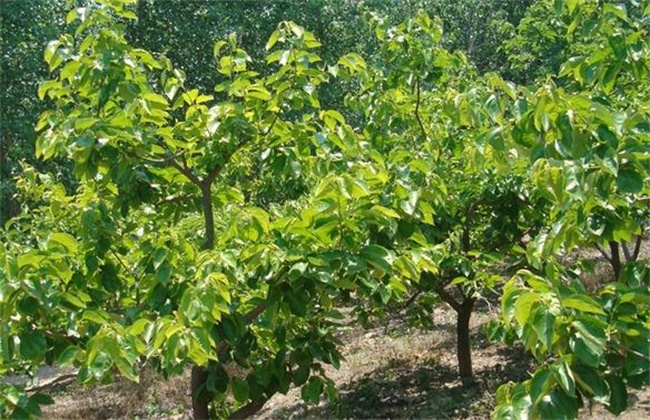
A Detailed Guide to the Top-Grafting and Cultivar-Change Technique for Pear Trees: Methods and Key Points
The Top-Grafting and Cultivar-Change Technique for Pear Trees
-
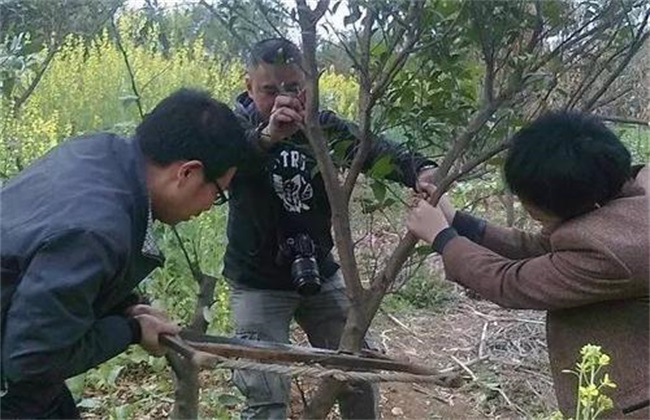
Detailed Explanation of the Key Points of Citrus Autumn Top-Grafting and Variety Conversion Technology
Citrus Autumn Top-Grafting and Variety Conversion Technology
-
Technique for Top-Grafting Mixed Pear Trees to Nanguo Pear in Western Liaoning
1. Re-grafting. Whether a mixed pear top-grafted to Nanguo pear has survived can be determined 20 to 25 days after grafting. On surviving Nanguo pear scions, the bark remains green, and the buds begin to sprout; those that have not survived show shrunken, dried bark. Re-graft those that failed as soon as possible: in spring, cut off the dead stub and then cleft-graft; in summer, after the bark slips, green-wood bark grafting can be used. After re-grafting, cover promptly with paper bags to aid survival. If plastic bags are used, the high outside temperature can easily cause the scions to lose water. 2. Unbinding. After spring cleft grafting or side-veneer grafting, the new
-
Detailed Explanation of Mango Top-Grafting and Re-Varietying Methods and Technical Points
I. Pre-Grafting Preparation Before re-varietying, strengthen fertilizer and water management for the trees to be re-varietyed. Prune the above-ground part appropriately, removing diseased branches, dead branches, shaded branches, overly dense branches, and crossing branches; for large perennial trees, saw off the main and side branches in spring or autumn at 1.2-1.5 m above the ground (saw in spring and graft in autumn, or saw in autumn and graft the following spring)...
-
Detailed Explanation of Key Techniques for Olive Top-Grafting to Change Varieties
Olive Top-Grafting to Change Varieties Technique
条件筛选