-

How to Cultivate Thin-Skinned Melons? Explanation of 7 Major Technical Points
Thin-skinned melons have traditionally been cultivated by letting the vines crawl along the ground; the vines become tangled and interwoven, making them very difficult to manage, and yields are also low. So how do you cultivate thin-skinned melons? What are the technical points? 1. Soil Selection Melon roots spread widely and the plant has large leaves and
-
Prevention methods for thin-skinned mushrooms that open their caps early
Because the temperature alternates between cold and hot, the temperature varies greatly, and the day-night temperature difference reaches 10-15°C. When the mushroom house is ventilated excessively, or the temperature remains above 18°C for a long time, causing the mycelium to grow quickly and the mushrooms to fruit too densely, the fruiting bodies are prone to developing thin-skinned, cap-opening mushrooms with slender stipes, thin caps and early cap opening. Preventive measures: scientific management. Ventilate and spray water in appropriate amounts; when the weather changes suddenly, strengthen management and maintain suitable temperature and humidity in the mushroom house; during fruiting, the humidity should be kept at 12-16°C, and excessively dense mushroom buds should be removed appropriately.
-
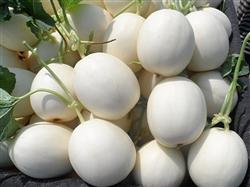
Detailed Explanation of Key Techniques for Open-Field Cultivation of Thin-Skinned Melons
For open-field melon cultivation, the traditional method has always been to let the vines crawl along the ground. The vines intertwine in a chaotic manner, making them very difficult to manage, and yields are also low. If melons are grown the way cucumbers are, with the vines trained up on a trellis, there are quite a few advantages. First, dense planting is possible. Taking Hongcheng No. 7 melon as an example, ground-crawling cultivation uses a plant-to-row spacing of 50 cm x 6...
-
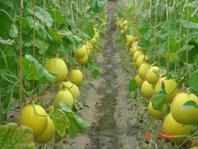
Key Technical Points for High-Yield and High-Efficiency Cultivation of Thin-Skinned Melons in Cold Greenhouses
Thin-skinned melons have traditionally been cultivated by letting the vines trail on the ground, with the vines growing in a tangled and crisscrossing manner that is very difficult to manage, and the yield is also low. When thin-skinned melons are cultivated in cold greenhouses, using the trellising method just like growing cucumbers in large greenhouses, higher yields and economic benefits have been achieved, with an average of 667 sq m producing over 5,000 kg of melons, and a net benefit of...
-
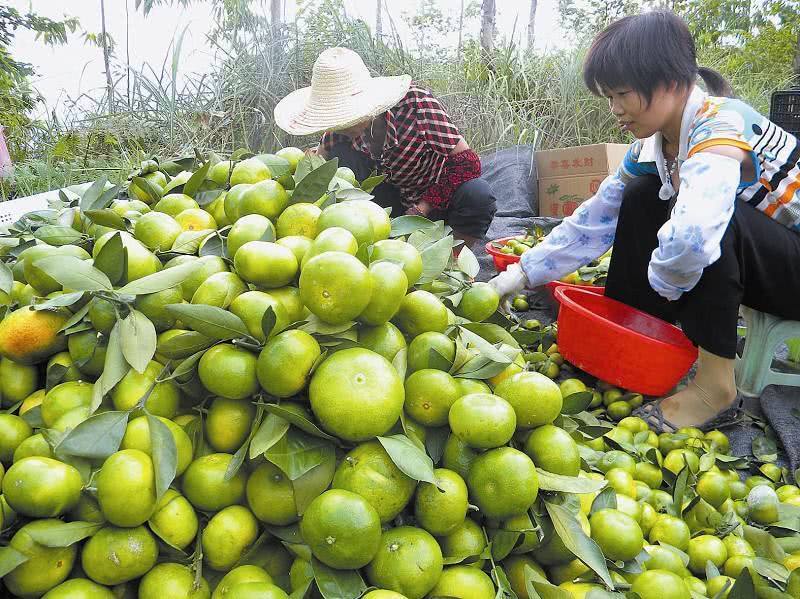
Do Oranges Also Have "Male" and "Female"? 3 Tricks to Pick Thin-Skinned, Juicy, Extra-Sweet Oranges
When it comes to the taste of oranges, everyone surely thinks of that sweet-and-sour flavor, but as a fruit we all quite enjoy eating, plenty of people are still willing to buy them. After all, oranges are not expensive, but when we buy them we always have to pick through them a bit...
-
Detailed Guide to Protected Cultivation Techniques for Thin-Skinned Melons (Part 1)
Protected Cultivation Techniques for Thin-Skinned Melons (Part 1)
-
How to Select Seeds and Build the Plot for Cross-Year Cultivation of Small Thin-Skinned Watermelons from Winter through Spring and Summer
Seed Selection and Plot Building for Cross-Year Cultivation of Small Thin-Skinned Watermelons from Winter through Spring and Summer
-
Harvest Time and Method for Small Thin-Skinned Watermelons
Harvesting Small Thin-Skinned Watermelons
-
Introduction to thin-skinned melon varieties, what are the common varieties?
Introduction to thin-skinned melon varieties
-
How to grow pear-shaped melon? Characteristics and cultivation techniques of an old heirloom melon variety
The pear-shaped melon is an old-time melon flavor that many people remember. This article introduces the variety's characteristics, taste and flavor, as well as key cultivation techniques including site selection, sowing, pruning, water and fertilizer management, and harvesting, to help farmers grow this distinctive old variety well.
条件筛选