-

Are Lycoris radiata and the red spider lily the same flower? Introducing its names and guardian story
When the autumn wind sweeps across the yard and Lycoris radiata sends up slender, long flower stalks, with flame-red flowers blooming at the tops, someone always whispers: is this the legendary red spider lily? In fact, plant names are a lot like our own names - we have nicknames and formal names, and there are many warm connections hidden in them. Lycoris radiata is exactly this
-
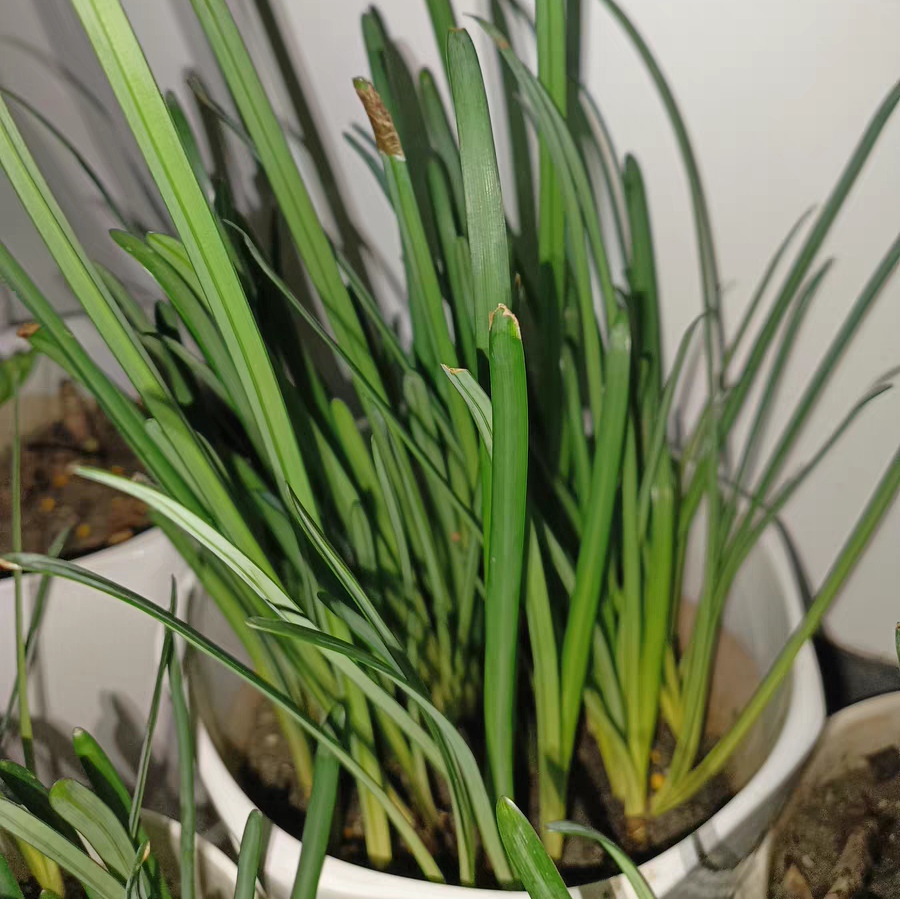
Is Lycoris radiata poisonous? In which months does it bloom?
Today, I'd like to introduce a unique and charming flower to you all - Lycoris radiata. First, let's talk about the special features of Lycoris radiata
-
Is Lycoris radiata poisonous? When does it bloom, and what is the difference between Lycoris radiata and the red spider lily?
Today I would like to introduce you to a unique and charming flower - Lycoris radiata. First, let me talk about what makes Lycoris radiata so special. Its flower stalk pushes straight up out of the soil, and the flowers bloom all alone, with no leaves to keep them company; this aloof, solitary posture is very eye-catching. The flower shape is like a little umbrella, with slender, curled petals and a rich range of colors, including fiery red,
-

Is the white spider lily (Lycoris radiata var. alba) poisonous? The latest answer is here
The white spider lily's scientific name is Lycoris radiata var. alba, and it is often recorded in Buddhist scriptures. It is also known as dragon claw flower, old crow garlic, spider lily, meaningless grass, garlic-head grass, ghost flower, hell flower, forsaken flower, flower of life and death, mountain poison, thunder from level ground, flower of heaven, etc. It belongs to the same family as the red spider lily.
-
Spider Lily (Lycoris radiata): Does It Have Seeds, Price per Jin, Home Growing Methods, and Blooming Period
Spider lily, also known as black garlic, spider lily, manjusaka, mandarava, and Lycoris radiata, is a common Amaryllidaceae flower in mountains and woodlands. Because its blooms are extremely beautiful, it is widely planted. So does the spider lily have seeds? How much do the seeds cost per jin? Can it be grown at home?
-
Is Lycoris radiata (Cockroach Flower) Poisonous? Benefits, Effects and Correct Methods of Use
Lycoris radiata is also known as dragon's claw flower, cockroach flower, etc. It is widely distributed throughout China. Because of its bright flower colors and its narrowly oblanceolate perianth segments, it is a plant with great ornamental value. So what benefits and effects does Lycoris radiata have? Is it poisonous? How
-
How to Grow Habenaria radiata (White Egret Flower): Detailed Planting Methods and Care Tips
Habenaria radiata is not commonly seen in daily life; it is known as one of the ten great exotic flowers, so how do you grow Habenaria radiata? 1. Sowing and Potting: Habenaria radiata is generally propagated by sowing. You can sow and pot the seeds in March, planting the germinated seeds into organic-rich soil. The potting mix is generally 50% Sinningia soil plus 50% akadama soil; this kind of soil has cohesion and will not loosen, and it retains water and breathes well, will not compact, and has no bacteria, which is beneficial to the healthy growth of Habenaria radiata.
-
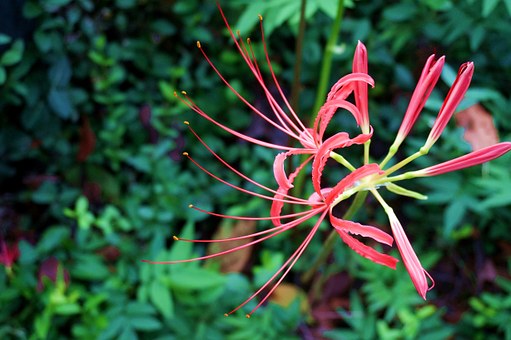
Spider Lily (Lycoris radiata): Does It Have Seeds, Price per Jin, How to Grow It at Home, and Blooming Period
Spider lily, also known as black garlic, spider lily, manjusaka, mandarava, and Lycoris radiata, is a common Amaryllidaceae flower in mountains and woodlands, widely planted because its blooms are incredibly beautiful
-
How much do Lycoris radiata cost? A complete guide to market prices
Complete guide to Lycoris radiata prices
-
Lycoris radiata, also called cockroach flower and crow garlic, what kind of plant is it?
Aliases: cockroach flower, crow garlic Family and genus: Amaryllidaceae, Lycoris Morphology: perennial herbaceous plant, underground bulb thick, broadly elliptical, covered with a purplish-red membrane. Leaves linear, emerging from the base after the flowering period, 5-6 leaves, leaves emerge in winter and wither in summer. Flower scape emerges from August to September, 30-60 cm tall, bearing 4-12 flowers, in an umbel at the top; flowers bright red, tube very short, about 5-6 mm long, segments narrow oblanceolate, curling outward. Ovary inferior, does not set seed after flowering.
条件筛选