-

How to Grow Habenaria radiata (White Egret Flower): Detailed Planting Methods and Care Tips
Habenaria radiata is not commonly seen in daily life; it is known as one of the ten great exotic flowers, so how do you grow Habenaria radiata? 1. Sowing and Potting: Habenaria radiata is generally propagated by sowing. You can sow and pot the seeds in March, planting the germinated seeds into organic-rich soil. The potting mix is generally 50% Sinningia soil plus 50% akadama soil; this kind of soil has cohesion and will not loosen, and it retains water and breathes well, will not compact, and has no bacteria, which is beneficial to the healthy growth of Habenaria radiata.
-
Is Lycoris radiata (Cockroach Flower) Poisonous? Benefits, Effects and Correct Methods of Use
Lycoris radiata is also known as dragon's claw flower, cockroach flower, etc. It is widely distributed throughout China. Because of its bright flower colors and its narrowly oblanceolate perianth segments, it is a plant with great ornamental value. So what benefits and effects does Lycoris radiata have? Is it poisonous? How
-
Spider Lily (Lycoris radiata): Does It Have Seeds, Price per Jin, Home Growing Methods, and Blooming Period
Spider lily, also known as black garlic, spider lily, manjusaka, mandarava, and Lycoris radiata, is a common Amaryllidaceae flower in mountains and woodlands. Because its blooms are extremely beautiful, it is widely planted. So does the spider lily have seeds? How much do the seeds cost per jin? Can it be grown at home?
-
Is the white spider lily (Lycoris radiata var. alba) poisonous? The latest answer is here
The white spider lily's scientific name is Lycoris radiata var. alba, and it is often recorded in Buddhist scriptures. It is also known as dragon claw flower, old crow garlic, spider lily, meaningless grass, garlic-head grass, ghost flower, hell flower, forsaken flower, flower of life and death, mountain poison, thunder from level ground, flower of heaven, etc. It belongs to the same family as the red spider lily.
-
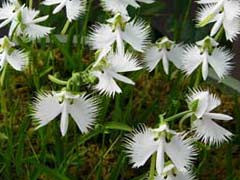
Habenaria radiata potted plant pictures and growing methods
Many flower enthusiasts who have seen the Habenaria radiata cannot help but praise it. So having a Habenaria radiata potted plant means you can see it often at home, and this is not impossible. Some enthusiasts are already growing Habenaria radiata at home. Habenaria radiata is a perennial orchid plant, and its seeds are spherical....
-
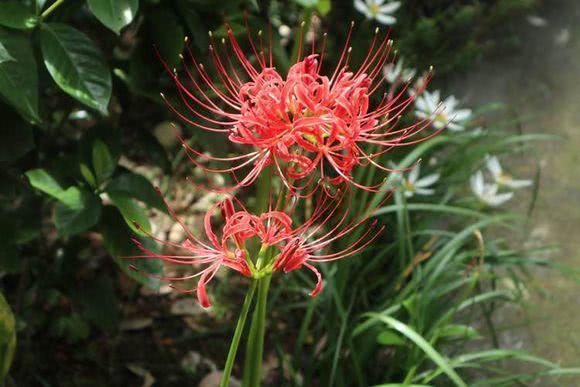
Lycoris radiata leaves turning yellow and looking listless? Master these few tricks and it will bloom
Lycoris radiata, just the name sounds distinctive, and it has another name too: red spider lily. This flower has a very notable characteristic: it grows leaves first, then blooms, and its flowers and leaves cannot coexist,...
-
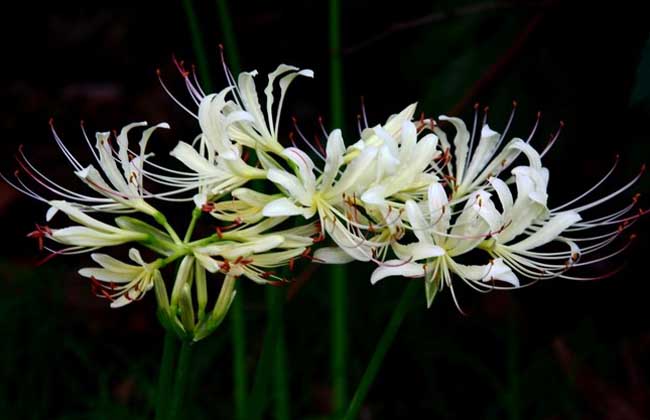
What is the difference between Lycoris radiata and Lycoris albiflora? A quick guide to telling them apart
The difference between Lycoris radiata and Lycoris albiflora
-
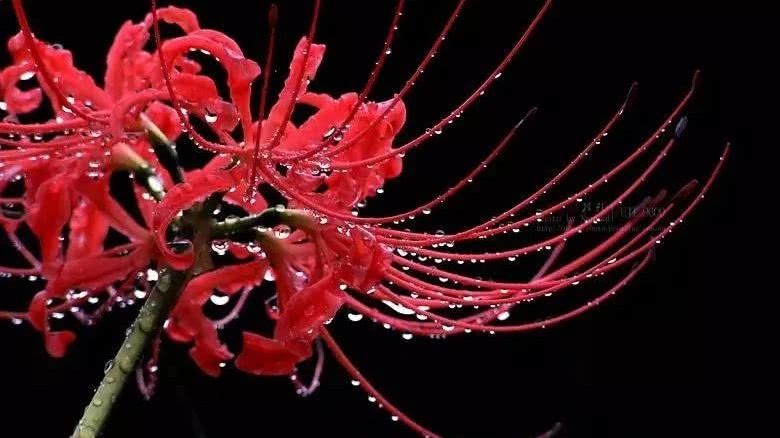
Lycoris radiata, also known as manjusaka, hides a tragic love story behind it
pan>7pan>9pan> Like this article? Share it right away so more people know about it! This site is full of content...
-

How many colors do lycoris radiata come in? A full analysis of common flower colors
How many colors do lycoris radiata come in?
-
What kind of growing environment suits Lycoris aurea and Lycoris radiata?
I. The growing environment of Lycoris aurea. Lycoris aurea does not have high demands on the environment; its adaptability is extremely strong and it has no great requirements for soil, so it can grow on all kinds of land. Lycoris aurea likes sunlight and can tolerate cold, so it can be said to be a very tough plant.
条件筛选