-

Causes and Control Methods of Moss Overgrowth in Aquaculture Ponds
Many friends engaged in aquaculture are no strangers to moss. The common types of moss found in aquaculture ponds mainly include Spirogyra, Cladophora, and Hydrodictyon. To draw the attention of aquaculture farmers to this problem, today the editor will analyze for you
-
Detailed Explanation of the Causes of Pepper Overgrowth and Control Measures
Pepper is one of the most common vegetables in our daily lives, and it is grown all over the country, but anyone who grows it knows that pepper is highly prone to overgrowth. After overgrowth, the pepper stems become thin and weak, the leaves become large and thick, the flowers become small and weak, and no fruit is set, which seriously affects the yield and
-
Causes of Pepper Vine Overgrowth and Detailed Prevention Measures
Pepper vine overgrowth is a physiological disorder in pepper cultivation that can cause serious harm to pepper growth, thereby reducing pepper yield and affecting economic returns. So what causes pepper vine overgrowth? How should it be prevented and controlled? Follow along with the editor to take a look
-
How to Prevent Grape Vine Overgrowth? Latest Methods Explained in Detail
Everyone has surely eaten grapes. There are many varieties of grapes, and they are all very popular in the market. The cultivation range of various grape varieties in our country is also very large, and growing grapes has basically become a way to make a fortune. However, when many people grow grapes,
-
What to Do About Mushroom Mycelium Spindly Overgrowth? Cause Analysis and Key Technical Points for Prevention and Control
Spindly overgrowth of mushroom mycelium is a common phenomenon in mushroom cultivation, which means the mushroom mycelium consumes a great deal of nutrients in the growing medium, so the fruiting bodies naturally cannot keep up with the nutrition and cannot form, and this is extremely harmful to mushroom growth. Below
-
Spring management of garlic after overgrowth must start early
For garlic sown in autumn 2006, temperatures from planting through early December remained higher than in previous years, which accelerated the growth of the garlic sprouts. Before winter, the garlic grew to 7-10 leaves (the optimal seedling age for overwintering is 5-7 leaves), showing overgrowth, and had already begun "mother bulb rot," with pest problems occurring. As a result of overly rapid growth, the garlic suffered from poor nutrient accumulation, reduced stress resistance, slow greening after the New Year, severe disease, and reduced high-yield potential. In spring, garlic must complete a series of growth processes including greening, vigorous seedling growth, garlic scape elongation, and bulb enlargement. On the basis of applying sufficient base fertilizer, garlic in spring
-
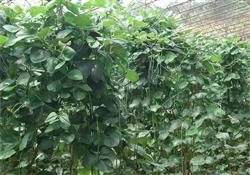
What to Do About Spindly Overgrowth in Greenhouse Beans? Detailed Analysis of Causes and Control Methods
The causes of spindly overgrowth in summer vegetables differ at each stage. Practice has proven that greenhouse beans are most prone to spindly overgrowth during the summer, and the main causes can be grouped into two major categories: 1. Seedling-stage overgrowth. The main cause of spindly overgrowth in seedlings is excessively high temperature, especially when nighttime temperatures are too high and respiration consumes too much...
-
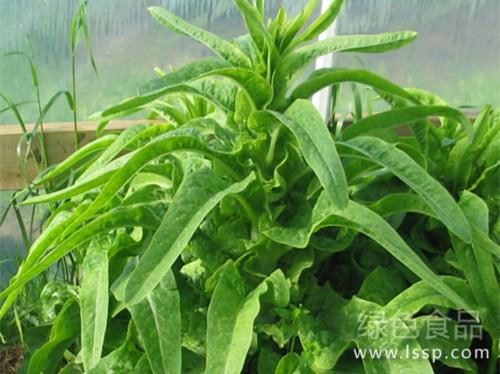
Causes of Bolting in Celtuce with Small Leaves, Few Leaves, Thin Stems, Sparse Plants and Spindly Overgrowth, and Control Methods
Causes of Bolting in Celtuce with Small Leaves, Few Leaves, Thin Stems, Sparse Plants and Spindly Overgrowth, and Control Methods
-
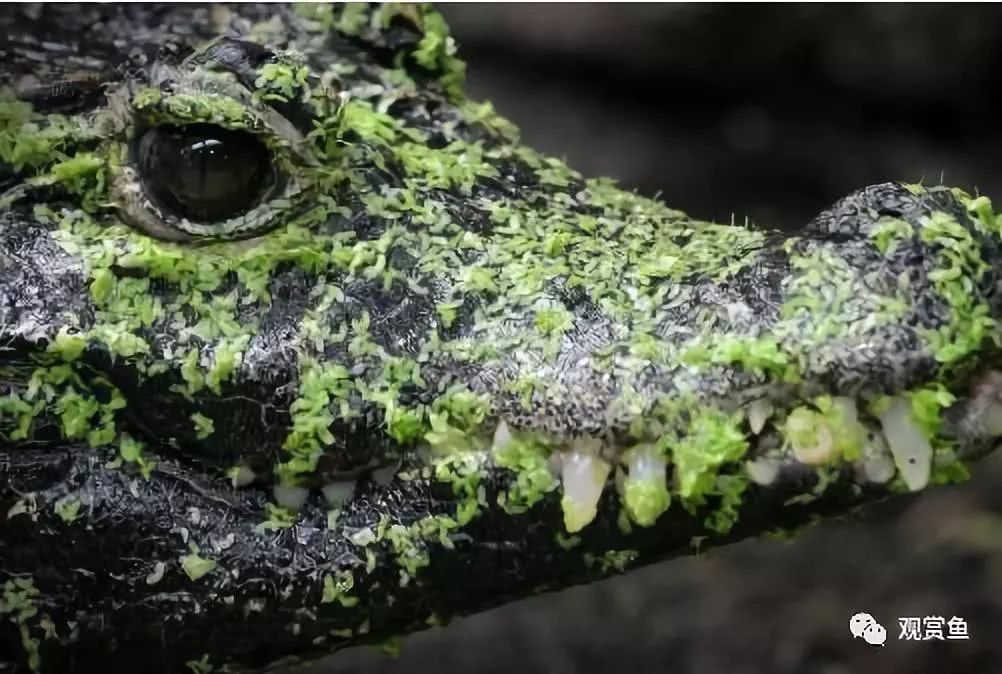
What to Do When a Fish Pond Has an Overgrowth of Algae? Practical Methods to Help You Solve It
Algae are lower plants that live widely in water and soil. A moderate amount of algae in water has a beneficial effect on ornamental fish. Many algae are rich in nutrients and can serve as supplementary food for tropical fish, especially fry and fish that like to eat algae, such as mollies and various Corydoras catfish...
条件筛选