-
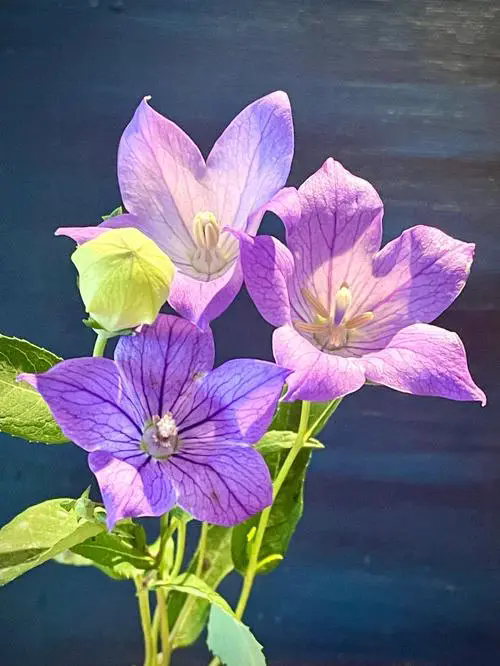
How are Platycodon grandiflorus and Eustoma grandiflorum propagated?
Whether it is the elegance of Platycodon grandiflorus or the romance of Eustoma grandiflorum, they both add endless colors and joys to our lives. Let's talk
-
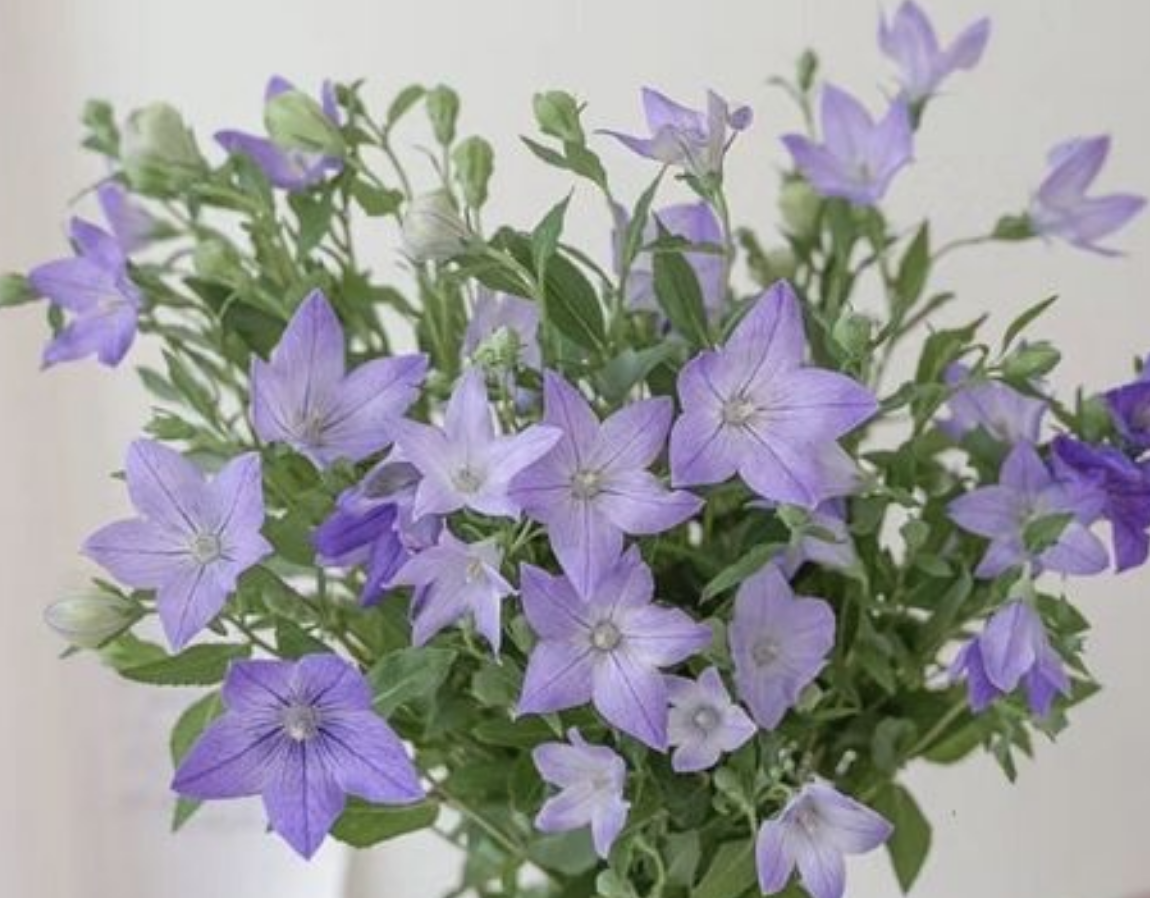
The breeding methods and precautions of Platycodon grandiflorus
I believe that friends who know a little about traditional Chinese medicine will know the traditional Chinese medicine "Platycodon grandiflorus", whose roots
-

How to select seeds for Platycodon grandiflorus? What are the seedling raising methods?
The anime "Inuyasha" is probably very familiar to many people. The story and characters in it come from Platycodon grandiflorus (balloon flower), because Platycodon grandiflorus is a loyal flower, symbolizing unchanging love through all lifetimes. Of course, Platycodon grandiflorus not only has a beautiful legend; it is also currently the most popular
-
Is Platycodon grandiflorus (balloon flower) toxic? Latest safety assessment
Platycodon grandiflorus can be eaten as a vegetable and also used as medicine. It is a perennial herbaceous plant, and its root can be used as medicine, with effects such as relieving cough and phlegm, dispersing lung qi, and expelling pus. It is produced in most parts of China and has no direct relationship with oranges or the Citrus genus. Below, let us take a look
-
Where are the production areas of Platycodon grandiflorus distributed? A list of the latest main production areas
Platycodon grandiflorus, also known as balloon flower, bellflower, and monkshood flower, is a perennial herbaceous plant mainly produced in China, the Korean Peninsula, Japan and eastern Siberia. Its root can be used as medicine, with effects such as relieving cough and phlegm, ventilating the lungs and draining pus. It is a commonly used medicine in traditional Chinese medicine. Below we
-
What is the planting prospect of Platycodon grandiflorus? Latest market analysis
Platycodon grandiflorus (balloon flower) belongs to the Campanulaceae family and is a herbaceous perennial plant, also known as earth ginseng and Zhongling flower. It has the effects of dispersing lung qi, soothing the throat, resolving phlegm and expelling pus. In South Korea, North Korea, Japan, the countries of Southeast Asia and the northeast region of our country, eating Platycodon grandiflorus as a vegetable is very common, especially
-
How to prevent and control pests and diseases of Platycodon grandiflorus? Latest technical method tutorial
Platycodon grandiflorus prefers a cool climate, is cold-tolerant and sun-loving, and is best cultivated in hilly areas below 1100 m in altitude, in semi-shaded sandy loam soil, growing best in neutral sandy loam rich in phosphorus and potassium fertilizer. It is a relatively widely planted Chinese medicinal herb. Below, let us take a look at Platycodon
-
How to sow Platycodon grandiflorus seeds? Latest technical method tutorial
Platycodon grandiflorus is usually propagated by seed. Select high-yielding plants for seed collection. In late August, remove the inflorescences on the side branches of the seed plants so that nutrients are concentrated on the development of the upper and middle fruits, making the seeds plump and improving seed quality. It can be sown in autumn, winter or spring, with autumn
-
How to Grow Balloon Flower (Platycodon grandiflorus)? A Detailed Guide to the Latest Planting Methods
Balloon flower (Platycodon grandiflorus) is a perennial herbaceous plant with fairly high value: it not only has extremely high ornamental value, but its root is also a traditional Chinese medicinal herb. In northern China it is also used to make pickles, making it a plant with a very wide range of uses. Nowadays, quite a few people grow balloon
-
The latest control methods for diseases and pests of Platycodon grandiflorus
Platycodon grandiflorus (balloon flower) is a perennial herbaceous plant. Its root system can be used as medicine, with effects of dispelling cold, resolving phlegm, soothing the throat and discharging pus. It is mainly used to treat externally contracted cough, sore and swollen throat and other symptoms, and is one of the major medicinal materials in China. At present, it is cultivated in all major regions of China, but during production,
条件筛选