-

Does red-twig dogwood bloom first or leaf out first? A detailed guide to care and pruning timing and methods
Today I recommend a plant suitable for giving when a new store opens: the "red-twig dogwood," which is red all over. It is a unique stem-ornamental plant with slender branches, symbolizing an auspicious future and lasting prosperity, so many people also like to buy it as a Lunar New Year flower to bring home good luck and good fortune. So, from
-

A Detailed Guide to Common Varieties of Red-twig Dogwood Seeds and Seedling Cultivation Methods
When people mention red-twig dogwood, do they not think of its striking branches? It has high ornamental value and is a rare stem-ornamental plant. There are many varieties of red-twig dogwood, so which ones are relatively common? How is seedling cultivation carried out? Friends who want to know should read on below!
-
What are the cultivation methods and precautions for Cornus officinalis?
Dogwood was very popular in ancient times; for example, the Double Ninth Festival on the ninth day of the ninth lunar month is also called Dogwood Festival. The main varieties of dogwood include Cornus officinalis, Evodia rutaecarpa, Zanthoxylum ailanthoides and Cornus canadensis. Today we mainly need to understand the cultivation of Cornus officinalis, this Chinese medicinal herb.
-
Cultivation Techniques and Propagation Methods for the Kousa Dogwood (Mountain Lychee)
The Kousa dogwood is an extremely beautiful garden ornamental prized for its flowers, foliage and fruit, making it an excellent landscaping choice; its form is handsome and neat, and its bracts are attractive and eye-catching, giving it considerable ornamental value. Below, we introduce the cultivation techniques and propagation methods for the "Mountain Lychee" Kousa dogwood! 1. Kousa
-
A detailed guide to dogwood (Cornus officinalis) seedling-raising techniques, teaching you how to grow dogwood well
1. Seed treatment: In September-October, collect mature dogwood seeds and wash them clean with clear water. Fill a water vat with 2 parts boiling water plus 1 part cold water, filling it to 1/2 of the vat. Pour the washed seeds into the vat, stir slightly, soak for 24-48 hours, then remove and spread them on a concrete floor to dry in the sun.
-
Detailed Explanation of Dogwood Seedling Propagation Methods and Techniques
Dogwood (Cornus officinalis) is a famous medicinal tree species in our country. Its fruit peel contains various amino acids, trace elements and vitamins, and has the functions of warming and tonifying the liver and kidneys, consolidating essence and stopping sweating. In addition, dogwood has bright yellow flowers in early spring, verdant green leaves in early summer, abundant red fruits in autumn, and flourishing branches in winter
-
Dogwood Planting Techniques and Field Management of Dogwood
Most traditional Chinese medicinal herbs are native wild plants, and it is precisely because of this that herb gatherers exist. However, with the continuous development of traditional Chinese medicine and the advancement of modern science and technology, wild Chinese medicinal herbs can no longer meet people's needs, and
-
-
Complete Analysis of the Key Techniques for Red Twig Dogwood Cutting Propagation
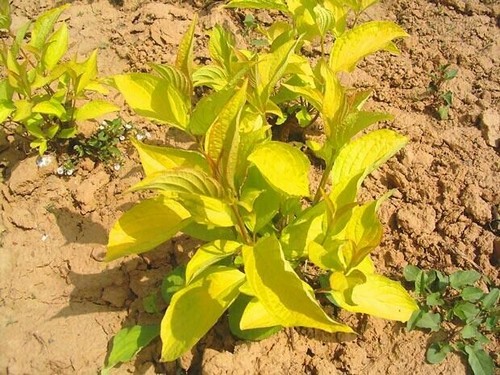
In autumn, the stems of red twig dogwood (Cornus alba) turn from green to yellow, and as temperatures drop the yellow gradually deepens into golden yellow; after snow, under bright sunlight it is extremely vivid and eye-catching, with the colour appearing brightest in side light, while in backlight a hint of green shows through the yellow; it is cold-tolerant, drought-resistant, resistant to wind damage, tolerant of waterlogging, has no obvious diseases, and adapts to various soils and environmental conditions
-
What are the key points of red twig dogwood planting techniques?
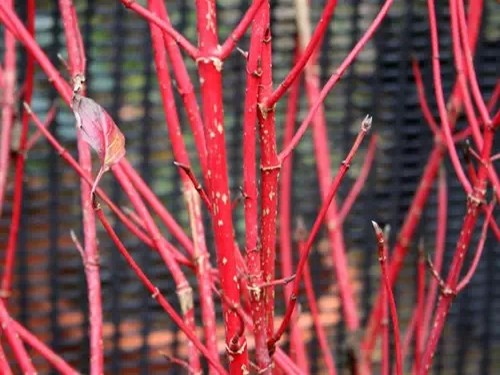
The red twig dogwood has bright red autumn leaves, small white fruit, and after leaf drop its branches are as brilliantly red as coral. It is a rare stem-ornamental plant and an ideal winter landscape tree species, as well as a good cut flower material. In gardens it is often planted in clumps on lawns or interplanted with evergreen trees, achieving a red-and-green contrasting effect and bringing more surprises to the bleak winter landscape
条件筛选