-
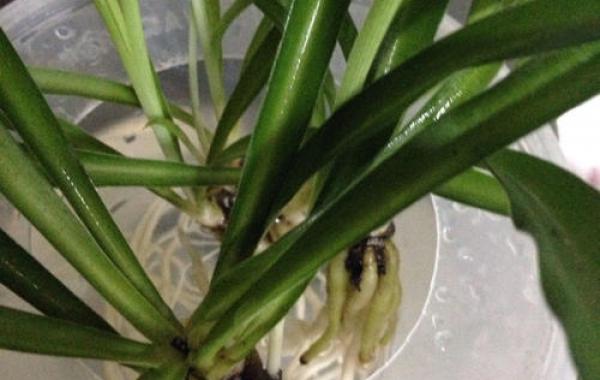
How to Deal with Root Rot in Hydroponic Flowers? A Detailed Guide to Diagnosis and Treatment
How to Diagnose and Treat Root Rot in Hydroponic Flowers
-

Diagnosis Methods and Prevention Measures for Anthrax in Sheep
Anthrax in sheep is an acute, febrile and septicemic zoonotic infectious disease caused by Bacillus anthracis. It often occurs in sporadic or endemic form, and sheep are the most susceptible. This disease also has a seasonal character, and it is most likely to occur under the changeable weather conditions of spring and autumn.
-
A Detailed Guide to the Diagnosis and Treatment of Grass Carp Diseases
Grass carp is one of the four major Chinese carp species in freshwater aquaculture in China. It grows quickly and has a wide range of feed sources, making it a major freshwater fish farming species in China. If farming management is improper, it may become diseased. So how are grass carp diseases diagnosed and treated? Grass carp diseases mainly include bacterial
-
Identification of Plant Physiological Disorders: Diagnosis of Diseases Caused by Abiotic Pathogens
Identification of Plant Abiotic Pathogens and the Diseases They Cause (Physiological Disorders) ? During the process of plant growth and development, unsuitable physical factors, chemical factors, air pollution, pesticide toxicity, as well as the plant's own physiological defects or hereditary diseases in the environment, all
-
Diagnosis and Treatment of Hoof Deformity in Dairy Cows: A Must-Read for Farmers
Hoof disease in dairy cows is a common disease in dairy production. In mild cases, it causes lameness in dairy cows; in severe cases, it causes paralysis. If not taken seriously, it will increase production costs and reduce economic benefits. Clinical hoof deformity refers to a change in the shape of the dairy cow's hoof. Because hoof deformity occurs
-
Diagnosis and Treatment Methods for Donkey Diseases, a Must-Read for Donkey Keepers
In terms of habits, meat donkeys are more tolerant of coarse feed than horses, cattle and other livestock, and have stronger disease resistance, but this does not mean they do not get sick. Donkeys have a strong tolerance for ordinary diseases, so during diagnosis and treatment, attention must be paid to this in order to prevent the occurrence of epidemics. 1. Donkey diseases
-
How are pullorum disease in newly hatched partridges diagnosed and treated in partridge farming?
Diagnosis and prevention and treatment Based on the characteristics of mass onset and death among young partridges and grayish-white foul-smelling diarrhea, a preliminary diagnosis can be made. After laboratory bacterial isolation and identification, it was confirmed as partridge pullorum disease. The partridge farm was immediately locked down, and 63 severely affected partridges were isolated separately from 584 mildly affected and asymptomatic partridges; the partridge house was cleaned, ventilation was strengthened, and stocking density was adjusted. The partridge house was sprayed and disinfected with 1:300 Baidusha while the partridges were present, once per day, for 3 consecutive days; the whole flock was immediately given norfloxacin at 0.05% mixed into feed and ciprofloxacin at 0.02% in drinking water for 5 consecutive days. The 63 severely affected partridges were injected intramuscularly with 2 ml:0.5 g (500,000 units) kanamycin sulfate at 0.1 ml per bird, twice per day, for 3 consecutive days; contaminated feathers and feces were promptly cleaned up daily and disinfected with 2% NaOH; dead partridge carcasses were soaked in 2% NaOH for half an hour and then deeply buried. On the morning of the next day after these measures were taken, 5 mildly affected partridges died, and the remaining partridges showed improved spirits and increased feed intake; 22 severely affected partridges died, and the remaining partridges gradually improved in spirit, with some already seen foraging. On the third day, 4 severely affected partridges died, and the spirits and appetite of the remaining partridges gradually returned to normal. A follow-up visit half a month later showed that the partridge flock had fully recovered and was growing and developing normally.
-
Diagnosis and Treatment of Newcastle Disease in Silkie Chickens
Newcastle disease is an acute septicemic infectious disease caused by Newcastle disease virus. It can occur in all four seasons and often causes devastating epidemics. Epidemiological characteristics: Peracute type: mostly occurs in the early stage of an epidemic. Onset is rapid, mortality is high, most symptoms do not appear, and death is sudden
-
How to diagnose and treat selenium deficiency in dairy cows? Farmers need to master these methods
1 Symptoms The affected animals show depression, decreased appetite, emaciation, curled coat, standing apart from the herd in a daze, unsteady standing, tendency to lie down, movement disorders, muscle tremors, numbness of the limbs, arched lower back, and a sharp drop in milk production. In severe cases, appetite is completely lost, milk production stops,
-
Diagnosis and Treatment of Campylobacter jejuni Outbreak in Peafowl
Campylobacteriosis in peafowl is a bacterial infectious disease of young and adult peafowl caused by Campylobacter infection. The disease generally takes a chronic course, with few reports of acute cases. In June 2004, a specialized breeding household in Tancheng County was raising about 200
条件筛选