-

How are pullorum disease in newly hatched partridges diagnosed and treated in partridge farming?
Diagnosis and prevention and treatment Based on the characteristics of mass onset and death among young partridges and grayish-white foul-smelling diarrhea, a preliminary diagnosis can be made. After laboratory bacterial isolation and identification, it was confirmed as partridge pullorum disease. The partridge farm was immediately locked down, and 63 severely affected partridges were isolated separately from 584 mildly affected and asymptomatic partridges; the partridge house was cleaned, ventilation was strengthened, and stocking density was adjusted. The partridge house was sprayed and disinfected with 1:300 Baidusha while the partridges were present, once per day, for 3 consecutive days; the whole flock was immediately given norfloxacin at 0.05% mixed into feed and ciprofloxacin at 0.02% in drinking water for 5 consecutive days. The 63 severely affected partridges were injected intramuscularly with 2 ml:0.5 g (500,000 units) kanamycin sulfate at 0.1 ml per bird, twice per day, for 3 consecutive days; contaminated feathers and feces were promptly cleaned up daily and disinfected with 2% NaOH; dead partridge carcasses were soaked in 2% NaOH for half an hour and then deeply buried. On the morning of the next day after these measures were taken, 5 mildly affected partridges died, and the remaining partridges showed improved spirits and increased feed intake; 22 severely affected partridges died, and the remaining partridges gradually improved in spirit, with some already seen foraging. On the third day, 4 severely affected partridges died, and the spirits and appetite of the remaining partridges gradually returned to normal. A follow-up visit half a month later showed that the partridge flock had fully recovered and was growing and developing normally.
-
How to prevent and treat pullorum disease in partridges? Farmers need to master these methods
Pullorum disease is caused by Salmonella pullorum and poses the greatest threat to young partridges within 1 week of age, with a mortality rate as high as over 85%, and even whole-flock death. Adult partridges are somewhat less affected when they fall ill. The later the disease occurs, the greater the hope of a cure, but illness severely affects the partridge's
-
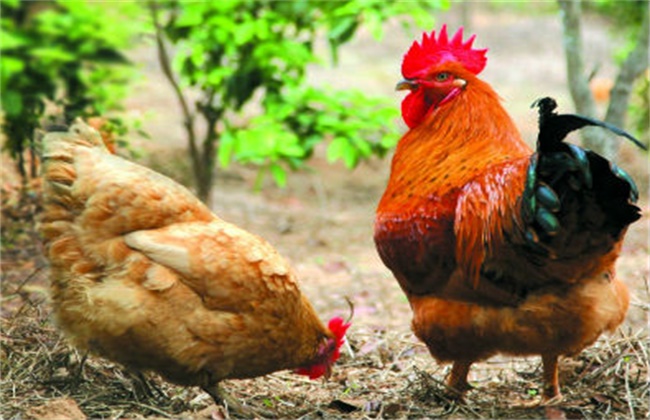
How to prevent pullorum disease in chickens? Prevention and control measures every farmer must read
Preventive measures for pullorum disease in chickens
-
Garlic is Effective in Preventing and Treating Pullorum Disease in Chicks
Pullorum disease is an acute infectious disease caused by Salmonella pullorum, characterized in chicks by white, pasty, loose droppings; if not treated promptly, it often causes mass deaths. In recent years we have tried using garlic to prevent and treat pullorum disease in chicks: a total of 83,600 chicks were protected, with an effective protection rate of over 96%; 6,227 sick chicks were treated, of which 5,918 were cured, a cure rate of 95%, showing remarkable results. 1. Treatment methods. (1) Select locally grown purple-skinned garlic, peel off the outer skin, crush it, and mix it into the feed; use 0.5-1 g per sick chick,
-
How to prevent and treat pullorum disease? Prevention and treatment methods every chicken farmer must read
Prevention and treatment of pullorum disease
-
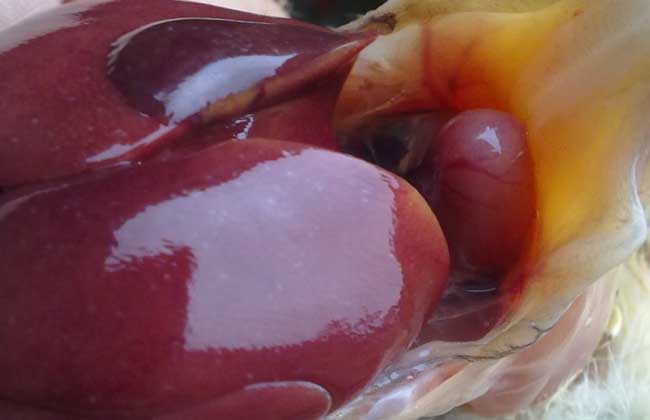
Detailed Explanation of Diagnostic Methods and Prevention and Control Measures for Pullorum Disease
Diagnosis and Prevention of Pullorum Disease
条件筛选