How to Deal with Root Rot in Hydroponic Flowers? A Detailed Guide to Diagnosis and Treatment
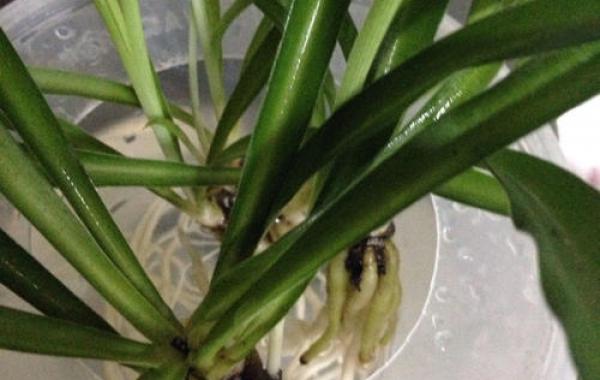
During hydroponic cultivation of flowers, a lack of experience and knowledge in hydroponic management can easily cause plant root rot. For example, temperatures that are too low, fertilizer that is too concentrated, and diseases can all very easily cause root rot. Root rot will spoil the water quality, thereby affecting the plant's growth. So let me explain it to you below.
Generally, we judge whether roots have rotted in the following ways.
First, smell the roots with your nose. If the roots have a foul odor, then that proves the roots have rotted.
Second, smell the water. If the water has a foul odor, it indicates the root system may also be rotting and deteriorating.
Third, observe the appearance of the root system. If the roots have turned yellow and changed color, it indicates the root system has already been damaged. After plant roots rot, when you gently pull at the base of the roots with your hand, the outer skin peels off extremely easily, leaving only the lignified part. Once root rot appears, be sure to promptly cut off the rotted parts. Generally, root rot spreads gradually upward from the root tips, so after pruning, keep cutting until you reach normal roots.
After changing the water, pay attention and observe. If root rot continues to appear, deal with it promptly. Although many plants can be grown hydroponically, if we are not careful enough in caring for hydroponic plants, it can very easily cause root rot. So while we enjoy the happiness that hydroponic flowers bring, we must also carefully observe the growth condition of the flowers! I hope this article is helpful to everyone.
First, take out the plant that has root rot, rinse off the mucus on the flower roots with clean water first, and scrub the moss off the container and the root system.
Next, use sterilized scissors to prune off the rotted roots, and soak the root system in a flower disinfectant solution. Generally, you can use a 0.3 percent potassium permanganate solution to disinfect the roots for 10 minutes, then rinse the roots clean with water.
Finally, place the plant into the cleaned container, add water to maintain it, and the water amount should preferably submerge one-half to two-thirds of the root system, while the remaining root sections are left exposed to the air.