-
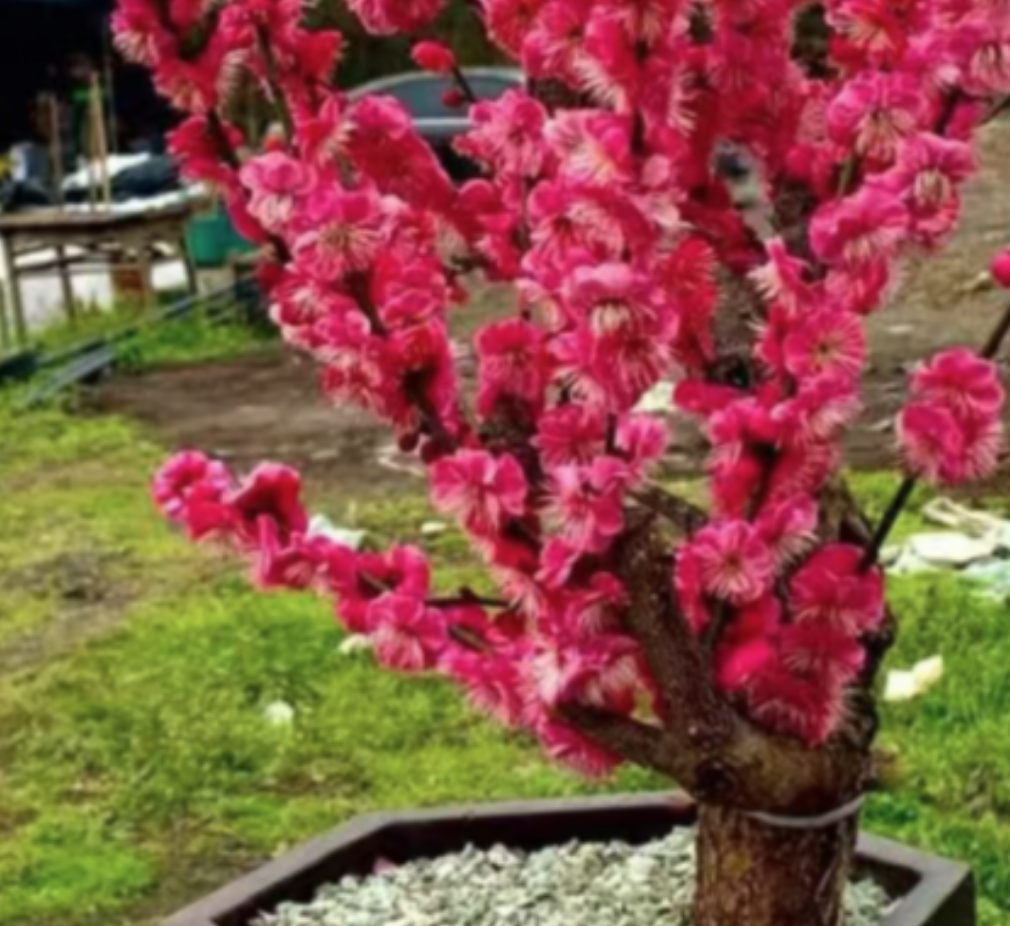
The differences between plum blossoms and wintersweet are mainly reflected in the following aspects
Many friends will have the impulse to buy some wintersweet and raise it after seeing it in bloom. However, because wintersweet and plum blossoms are extremely
-

Laying Duck Farming Techniques and Management: Master Five Aspects to Increase the Laying Rate
It is the end of another year, and many friends want to try their hand at farming. The market for laying ducks has been quite good over the past two years, which has also driven the continuous expansion of the farming industry. But throughout the entire farming process, there are many details that everyone needs to pay attention to. Today, the editor will introduce to you
-
How to raise goslings in spring? These 5 feeding and management points are very important
In early spring the weather is cold and damp, and like the recent novel coronavirus, geese have many disease-causing factors. Newly hatched goslings have a delicate constitution, sparse down, and a small body, and their ability to adapt to and resist the external environment is not strong. Therefore, feeding and management of goslings in spring should
-
What is the difference between cherries (cheli) and cherries (yingtao)? Seven aspects to tell them apart
There are many fruits on the market today that look extremely similar, but in reality they are still different. For example, the difference between pineapples and pineapples, and the difference between cheli and yingtao, can be confusing, and sometimes mislead consumers into buying. So today we will explain cheli
-
What are the cultivation methods and points to note for jasmine?
Jasmine flowers are pure white and fragrant, and many people grow a pot of jasmine at home, giving the house a natural floral scent, purifying the air and greening the environment. So what are the cultivation methods for jasmine and the aspects that need attention? 1. Jasmine cultivation methods 1. Keep sufficient sunlight
-
What should be noted when raising rice field eels in ponds in autumn?
Autumn temperatures are suitable, making it the peak growing season for rice field eels. To achieve high yield and high efficiency in pond-cultured rice field eels, autumn feeding and management must not be delayed. Improving water quality: keep the water depth of the eel pond at about 30 cm, promptly remove leftover bait and debris from the pond, and maintain the water quality as "fertile, lively, tender and refreshing"
-
Several aspects to note in roe deer introduction and breeding
The roe deer, scientific name dwarf deer, belongs to the order Artiodactyla, family Cervidae, and is a ruminant animal. The wild roe deer is a treasure from head to toe, with enormous comprehensive development potential. First, roe antler has the same growth process and similar medicinal value as deer antler, while raising roe deer costs far less than raising deer, and the techniques are simpler. To a certain extent, roe antler can be developed to replace deer antler; second, roe deer skin can be made into mattresses and has a moisture-proof effect. Summer skin lacks down hair and is called “sha pi”; after processing, it can be made into clothing for spring and autumn. The remaining leather board can be used to make summer clothing. Winter skin has more down hair and is suitable for making cold-resistant fur clothing. In addition, roe deer skin can also be made into many kinds of leather products, and roe deer blood, liver, kidney, bone, etc. each have their own unique qualities. The roe deer has no fat on its whole body and enjoys the reputation of “king of lean meat”; its meat is tender and delicious, rich in nutrition, and has the functions of warming the spleen and stomach, strengthening the heart and moistening the lungs, draining dampness, and prolonging life. With reform and opening up and the improvement of people's living standards, roe deer has become a high-grade wild delicacy in some hotels, restaurants, and tourist resorts, and roe deer meat is extremely scarce on the market and expensive. Illegal hunting is serious, and at the same time domestic breeding of wild roe deer has gradually developed. Artificial roe deer breeding has a short breeding cycle, simple techniques, low breeding costs, and high economic benefits.
-
What issues need attention in artificial scorpion breeding?
As a medicinal animal, the scorpion has relatively high economic value, but most scorpion breeders fail and suffer economic losses due to a lack of necessary technology and experience, so scorpion breeders are reminded to pay attention to the following issues. Master the scorpion's living habits
-
What are the key points to note when raising pheasant chicks during the brooding period
What issues need attention in the feeding and management of pheasant chicks during the brooding period? The following introduces them to farmers from the aspects of drinking water and starting feed, temperature, humidity, density, ventilation and lighting: Timely drinking water and starting feed: pheasant chicks should start feeding 24 to 36 hours after hatching. Before starting feed, they should first drink water. It is best to add 5% glucose or 0.1% potassium permanganate to the drinking water. Chicks that do not know how to drink should be taught promptly so they can drink as soon as possible. Start feeding 1 to 2 hours after drinking water. The starter feed should be soft, palatable, nutritious and easy to digest. During the first 3 to 5 days, it is best to feed wet mixed feed. Remove leftover feed before each feeding. When starting feed, lure them to eat once every 2 to 3 hours, then gradually increase the interval. From 0 to 2 weeks, feed 6 times a day; from 3 to 4 weeks, feed 5 times a day. Generally, as age in days increases, feed intake also increases. When growth approaches adult body weight, the feed requirement tends to stabilize. Temperature and humidity control: the suitable brooding temperatures are: 1 to 3 days old 35 to 34°C, 4 to 7 days old 33 to 32°C, 2 weeks old 31 to 28°C, 3 weeks old 27 to 24°C, 4 weeks old 23 to 22°C, and after 5 weeks old maintain normal temperature. Relative humidity is 65% to 70% from 1 to 10 days old, and 55% to 65% after 11 days old. Lighting time control:
-
Cage Culture of Tilapia: Good Feeding Management in Four Aspects
1. Feed selection. The choice of feed not only affects the growth rate of the fish, but also determines whether fish farming is profitable. The principles for feed selection: palatable, fresh, fully nutritious, reasonably priced. It is advisable to choose extruded (floating) feed produced by reputable, large-scale feed manufacturers; generally do not use sinking compound feed, as sinking compound feed will be wasted because the fish cannot snap it up in time.
条件筛选