-

What are the benefits and contraindications of drinking sand root (Radix Adenophorae) soaked in water? It is better when used in soup with these ingredients
Sand root, also known as white ginseng, pao shen and sheep's milk, is a medicinal herb commonly found in low mountain grasslands or rock crevices. Because of its high nutritional value and its effects of relieving cough, nourishing the body and boosting immunity, it is widely used as a medicinal herb. At present, many people also like to soak it in water and drink it, so what
-
What types of adenophora are there and how are they grown? With detailed pictures
Adenophora is a plant whose roots can be used as medicine, generally dried in the sun to make medicine; it is non-toxic and has effects such as clearing heat and moistening the lungs, and nourishing. Adenophora often grows in grass or rock crevices, and is relatively rare at high altitudes. So what types of adenophora are there? How are they grown? With
-
A Detailed Guide to Radix Adenophorae Planting Techniques and Management Key Points
Abstract Site selection and land preparation: Choose a place with plenty of sun and loose soil for planting. Planting time: It can be planted in all three seasons of spring, summer and autumn; choose according to your own circumstances. Generally, direct seeding is used, with a spacing of about 10 cm. Daily management: After planting Radix Adenophorae, do a good job of
-
-
-

Detailed Explanation of Key Field Management Techniques for Adenophora
Field Management Techniques for Adenophora
-

Detailed Explanation of the Control Methods for Diseases and Pests of Radix Adenophorae
Control Methods for Diseases and Pests of Radix Adenophorae
-
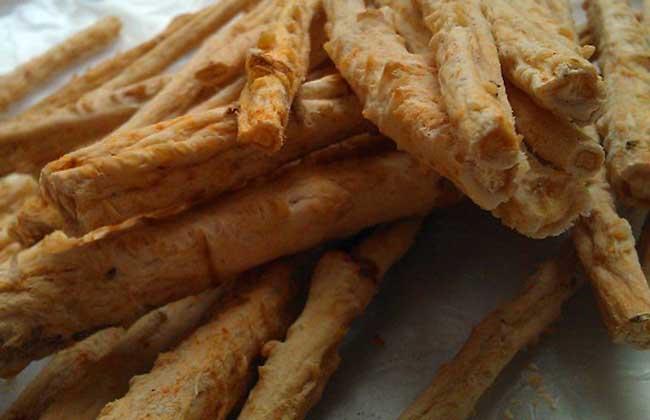
What is the difference between Bei Shashen (Glehnia littoralis) and Nan Shashen (Radix Adenophorae)?
The difference between Bei Shashen and Nan Shashen
-
Detailed Explanation of Key Points for High-Yield Cultivation Techniques of Radix Adenophorae
High-Yield Cultivation Techniques of Radix Adenophorae
条件筛选